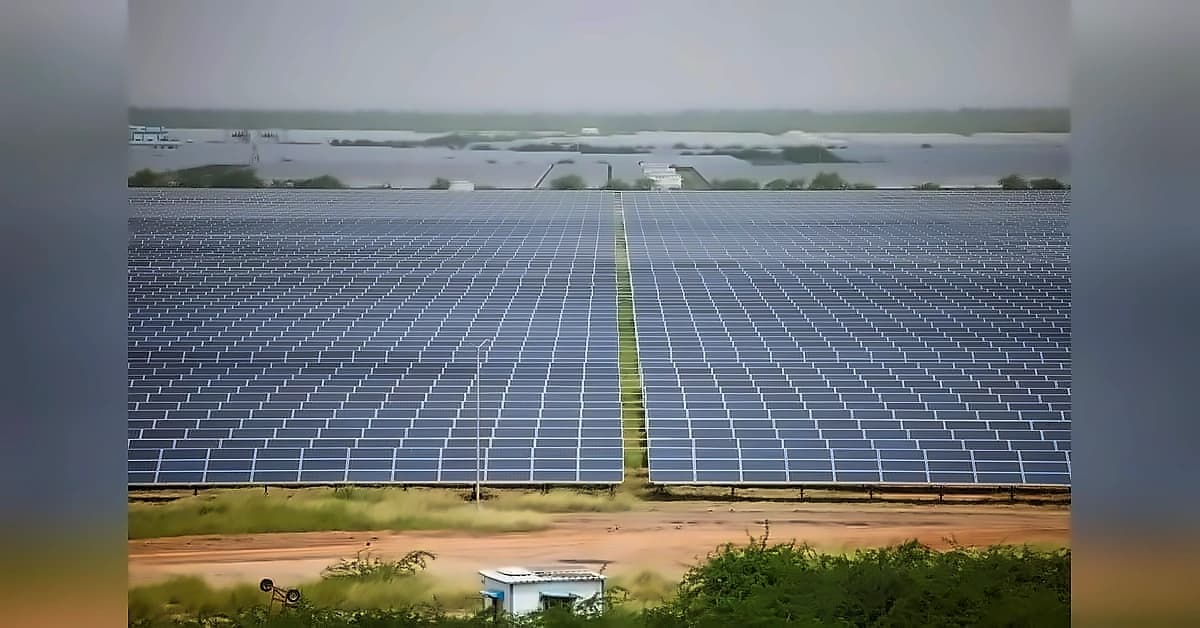
India's solar and wind generation expanded by over 25% in the first half of 2026, pushing renewables to 16.5% of the power mix from 14% a year earlier, as renewables overtook coal to become the world's largest source of electricity generation, according to the International Energy Agency. Solar generation in India rose by more than 30% during January-June, while wind output increased by slightly less than 10%. This expansion coincided with India's electricity consumption growing around 6% in the first half, driven by stronger industrial and services activity and heatwaves between mid-April and early June. The IEA expects India's full-year demand growth to rebound to 7% in 2026 from 1.6% in 2025.
India's power demand increased by 6% in the first half of 2026, driven by strong industrial activity and severe heatwaves that swept the country between mid-April and early June, according to the International Energy Agency's mid-year electricity market review. May saw an 11% year-on-year increase, with cooling degree days also 7% higher in India during this period. The intense summer heat resulted in peak electricity demand hitting record-high values for four days in a row between May 18-21, with peak load reaching 270.8 gigawatt (GW) on May 21. Demand rose 11% year-on-year in May, when solar supplied 60 GW, or 22% of the daytime peak.
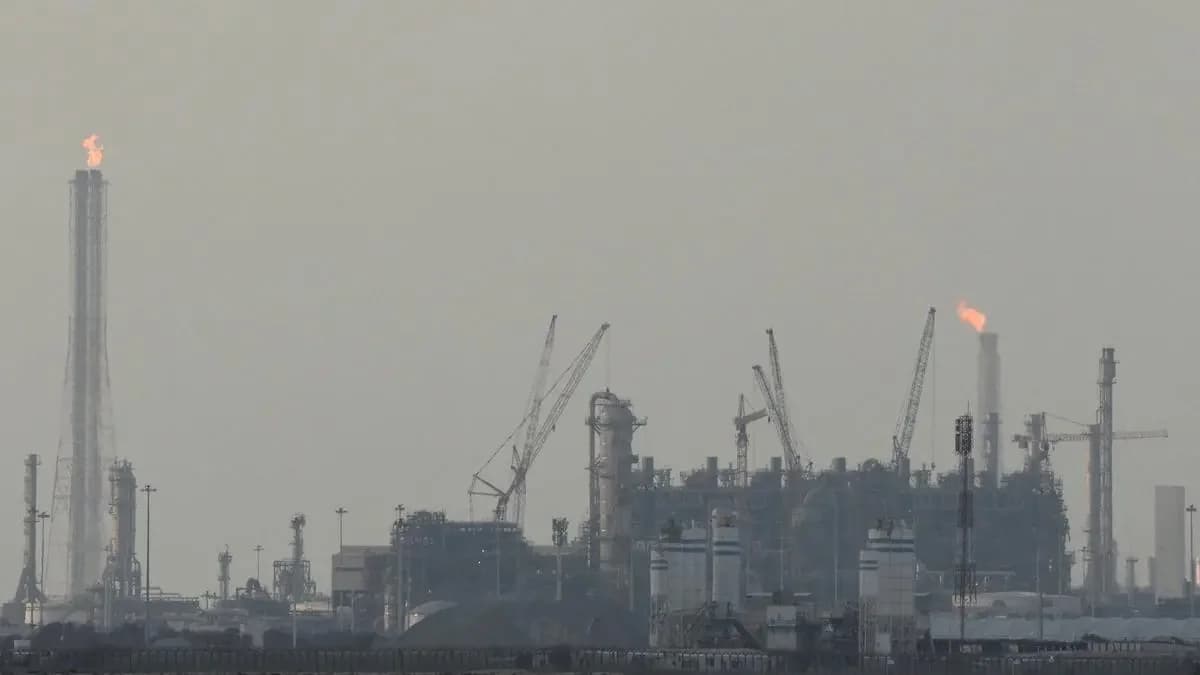
Coal-fired generation increased by 3.5% in the first half as the country met stronger electricity demand and record peak load, while gas-fired generation decreased by about 15% compared to H1 2025 and was more than 40% below H1 2024 levels. High prices and disruptions to LNG flows through the Strait of Hormuz led to supply curtailments, particularly affecting industrial and captive gas-based generation. The IEA notes that global gas-fired generation is forecast to remain broadly flat in 2026, breaking from the sustained growth recorded over most of the past decade, with output may recover by around 1.5% in 2027.
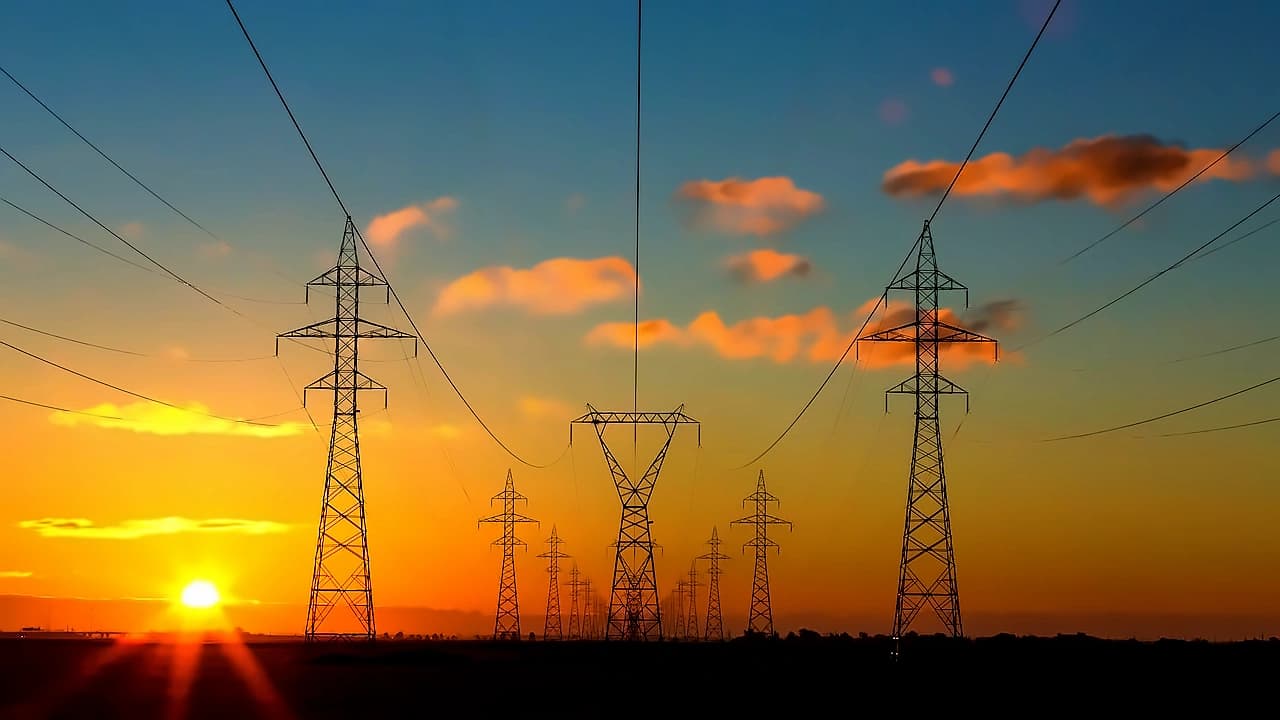
Despite peak demand being fully met through higher thermal and renewable capacity, electricity shortages more than doubled in January-May 2026 compared to the same period last year, as reported by the IEA. States in the Northern Region of India's national grid, including Punjab, Haryana, and Uttarakhand, showed the highest levels of energy not supplied, reaching up to 2% of monthly demand in April. The agency noted that growing summer peak net load in evening hours requires rapid ramp up of coal-and gas-fired generation during the day, leading to these supply constraints.
The IEA expects global renewable generation to grow about 8% in 2026 and another 9% in 2027, increasing its share in the electricity mix from 33% in 2025 to 37% by 2027. Solar photovoltaic remains the main growth driver, with output expected to rise 23% this year, or by 610 TWh. India and other Asian economies will play a larger role in the solar build-out, with their combined contribution to global growth rising from almost 10% in 2025 to around 17% in 2026. According to JM Financial's analysis, power demand is more closely correlated with wet-bulb temperature than dry-bulb temperature, with El Niño conditions expected to intensify mid-July onwards.