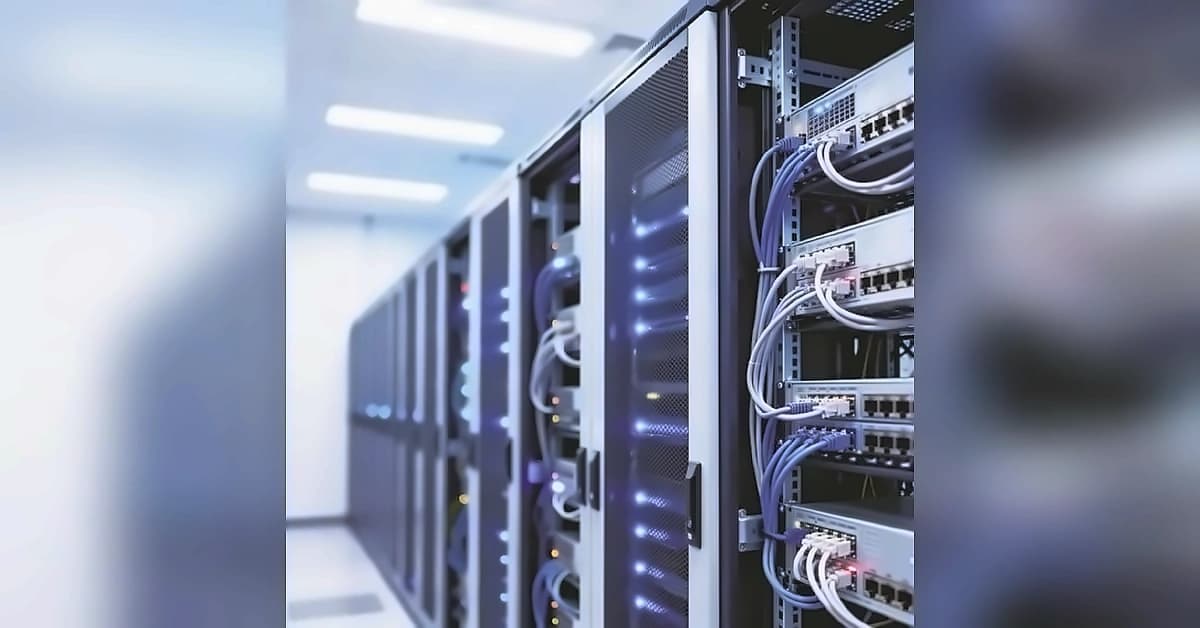
India's data centre sector is experiencing unprecedented infrastructure development, with the total development pipeline across major markets reaching 8.33 GW, according to Knight Frank India. This represents more than five times the country's current live data centre capacity of 1.6 GW. The scale of future supply is being driven by accelerating artificial intelligence adoption, cloud computing growth and data localisation requirements. According to Knight Frank India, India currently has 0.32 GW of data centre capacity under construction, while another 2.92 GW has reached the committed stage, with an additional 5.41 GW in early stages of development. The significant share of early-stage developments accounts for nearly two-thirds of the total pipeline, demonstrating strong confidence in India's long-term digital economy prospects.
Major technology companies are significantly expanding their data centre footprint in India to support AI and cloud computing growth. Meta Platforms is set to build significant AI data centre capacity in India, with the company already working on a large data centre in Jamnagar with Reliance Industries. Meta's Bengaluru engineering hub plays a crucial role in developing proprietary silicon, according to Santosh Janardhan, global head of infrastructure at Meta Platforms. Meanwhile, Amazon has achieved a significant water conservation milestone in India, becoming "water positive" a year ahead of schedule. This means the tech giant now replenishes more water than it consumes across its Indian operations, including data centres, addressing growing global scrutiny of tech companies' environmental impact, particularly concerning water-intensive AI data centres in water-scarce India.
Regional specialization is becoming a key theme in India's data centre market, according to Knight Frank India. Hyderabad has emerged as the second-largest future market with a 1.93 GW pipeline, supported by proactive government policies, lower operating costs and growing investments from global technology companies. The city has attracted substantial investments from global technology firms, aided by proactive state government policies, availability of land, competitive operating costs and robust infrastructure support. Chennai's pipeline has reached 1.36 GW, backed by its role as India's key gateway for Southeast Asian digital traffic, strong subsea cable connectivity and competitive power tariffs. Viral Desai from Knight Frank India noted that India's data centre growth story is increasingly becoming a tale of regional specialization, with Mumbai anchoring hyperscale deployments, Hyderabad emerging as a preferred AI infrastructure destination, and Chennai strengthening its role as a strategic gateway for international data traffic from east. The company also highlighted Visakhapatnam's growing prominence as a greenfield data centre market, supported by government backing, large land availability and planned subsea cable connectivity.
India's software services industry is finding new growth opportunities in data centres and AI infrastructure, with companies like HCLTech, TCS, Accenture, and Cognizant investing heavily in AI platforms and infrastructure. This strategic shift aims to position these companies as end-to-end partners in the rapidly expanding AI ecosystem. However, the consulting industry faces challenges with Accenture lowering its annual revenue growth forecast and companies remaining cautious about technology spending, even as they invest in artificial intelligence and cybersecurity. The company expects revenue for the fourth quarter to be below estimates, signalling a broader trend in the consulting industry amid ongoing economic uncertainties.