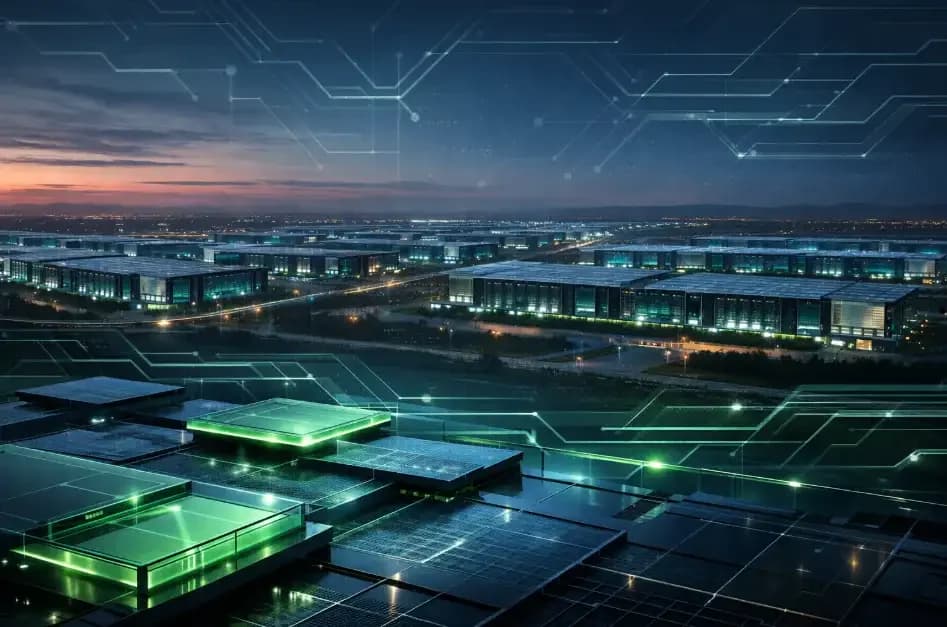
India's data centre industry has achieved remarkable growth momentum, with fresh capacity additions surging to 258 MW IT in the first half of 2026, representing a 59% annual increase from 162 MW IT in H1 2025, according to Savills. This growth has pushed India's total operational capacity to 1.8 GW IT, significantly ahead of the previous projections. The sector demonstrated strong performance in 2025, adding 387 MW of IT capacity, which was more than double the 191 MW added in 2024. As of January 2026, India operated 271 data centres, with Mumbai, Hyderabad, Delhi NCR, Bengaluru, and Chennai together accounting for nearly 65 per cent of the country's facilities.
India's data centre industry is experiencing significant expansion beyond established metropolitan hubs, with edge data centre capacity expected to grow at a compounded annual rate of 52%, from 60MW in 2024 to 210MW by the end of 2027, according to a July 2025 report by Icra Ltd. This growth is driven by AI adoption, digital services and state-level policy support, with operators setting up facilities in cities such as Bhubaneswar, Patna, Jaipur and Kolkata attracted by capital subsidies, cheaper land and tax incentives. Telangana became the first state to unveil a dedicated data centre policy in 2016, with 16 other states following suit, including the latest additions of West Bengal (2021), Odisha (2022), Rajasthan (2025) and Gujarat this month. Gujarat announced a 2.5% capital subsidy for data centres in the Dholera region, while Karnataka offers a 7% capital subsidy of up to ₹10 crore for data centres outside Bengaluru Urban district.

Several data centre operators have already committed substantial investments in emerging locations, with CtrlS Datacenters building a 10MW data centre in Patna and plans for edge data centres in 21 locations over the coming years, as reported by Mint. Nxtra, a Bharti Airtel subsidiary, has established 1.8MW data centre in Bhubaneswar and operates 150 edge data centres in 65 locations with plans to add 10 more by 2027. STTelemedia Global Data Centres (STT-GDC) has set up a 6MW data centre in Jaipur, while NTT has established a 25MW data centre in Kolkata. The sector's investment pipeline currently stands at approximately $90 billion, driven by commitments from major technology companies including Amazon Web Services, Microsoft, and Google totaling around $67.5 billion. This represents a significant increase from the $13-15 billion invested between 2020 and 2024.
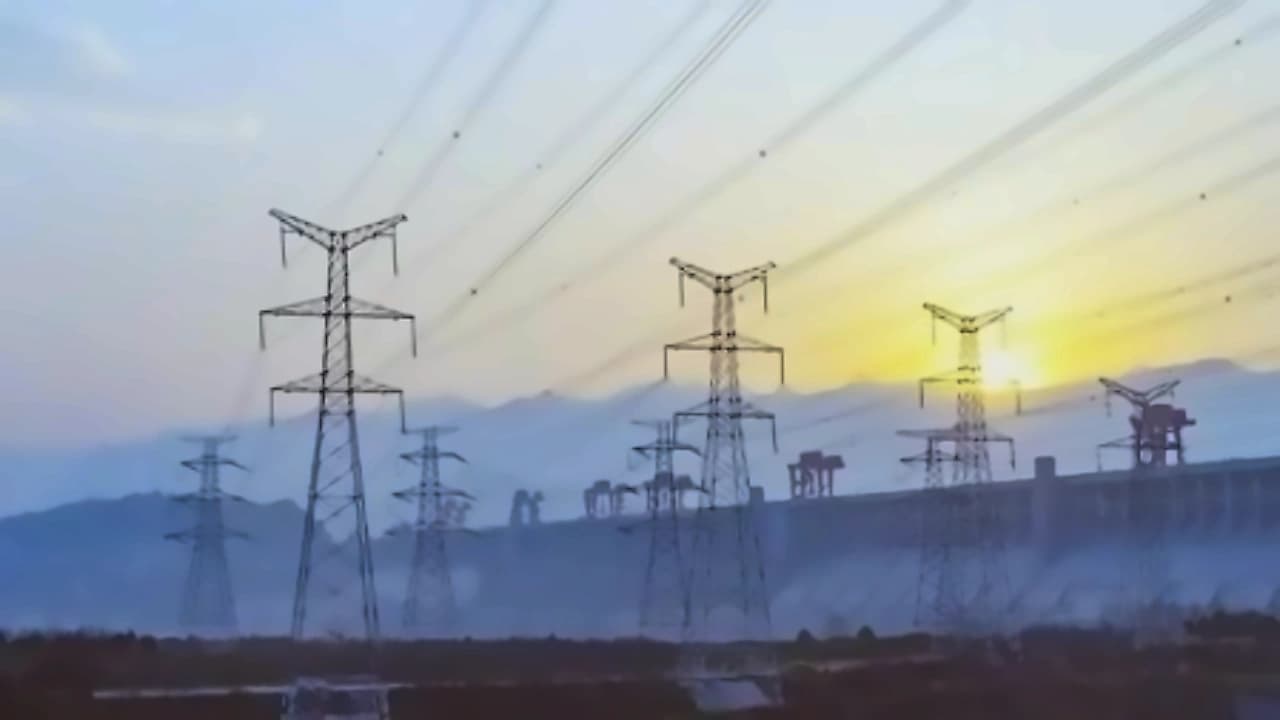
The government has projected that AI-driven digital infrastructure, including data centres, could catalyse up to $200 billion in investment in the years ahead, according to Rubix Data Sciences report. Amit Khanna from Grant Thornton Bharat highlighted three key factors making tier-II and III cities attractive: state incentives, lower operating costs, cheaper land, and available talent. However, industry experts caution that reliable power, fibre connectivity and skilled talent are proving just as critical for sustaining edge data centre expansion. Ashish Banerjee from Gartner noted that power load availability is crucial to avoid stressing local power grids, while Vinish Bawa from PwC India emphasized that incentives alone cannot compensate for gaps in core infrastructure. The rapid expansion is expected to strain water and power resources significantly, with data centres currently consuming around 150 billion litres of water annually and electricity demand projected to surge more than 13-fold.
Despite the strong growth projections, Savills notes that facilitation of power and suitable land parcels for DC development remains a critical challenge across all key data centre markets in India. However, Sudhanshu Chawla from BCG India emphasized that if India is to become the AI infrastructure capital of the world, new hubs are compulsorily needed. Amit Khanna from Grant Thornton Bharat noted that outside cities, much of the land is agricultural, requiring approvals and facing pushback from local communities. Vinish Bawa from PwC India concluded that success of emerging locations will depend on how quickly they can build a complete digital infrastructure ecosystem, with the established metros continuing to dominate in the near term while a handful of well-prepared emerging cities could evolve into strong regional hubs if core infrastructure gaps are addressed.