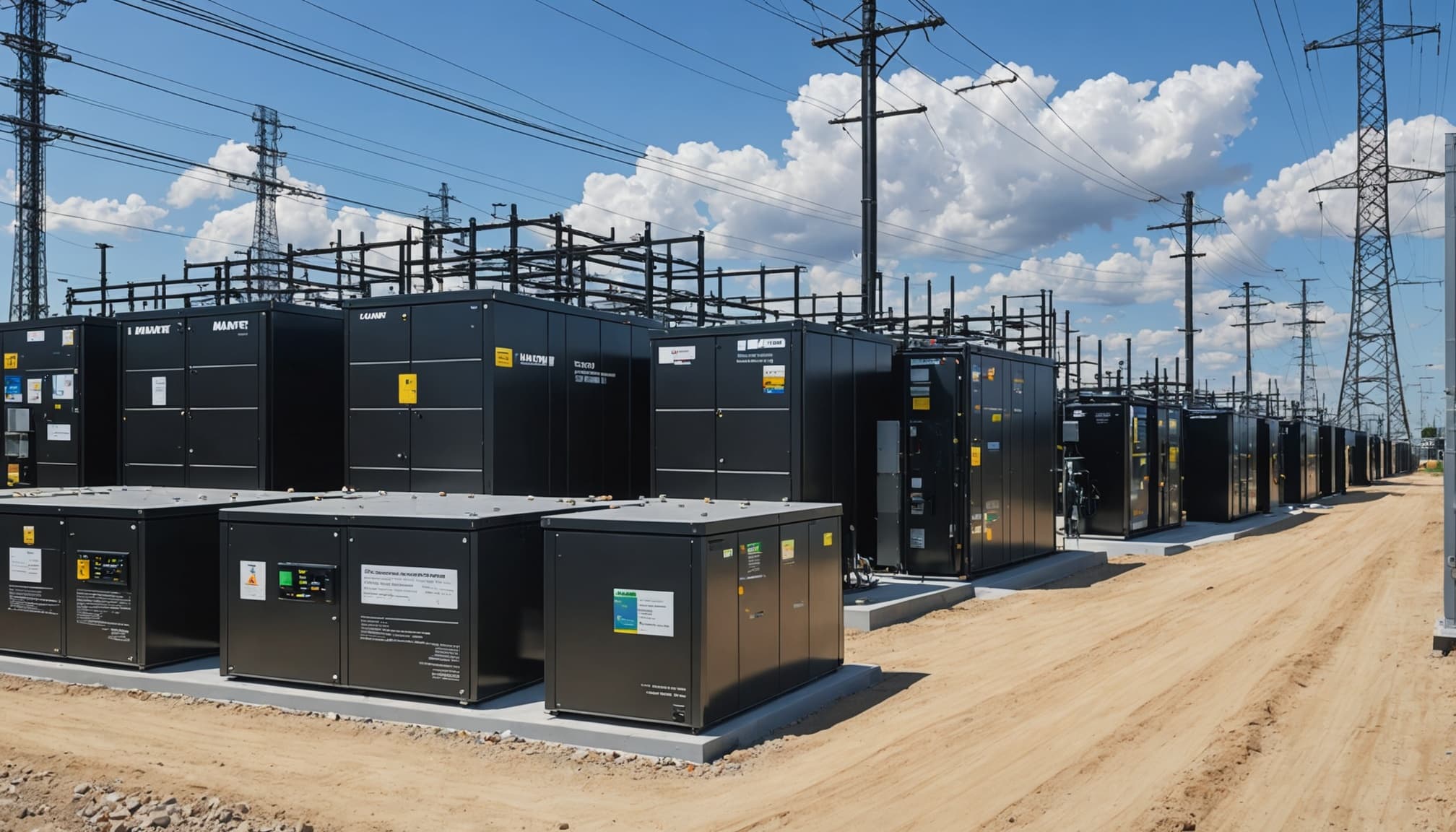
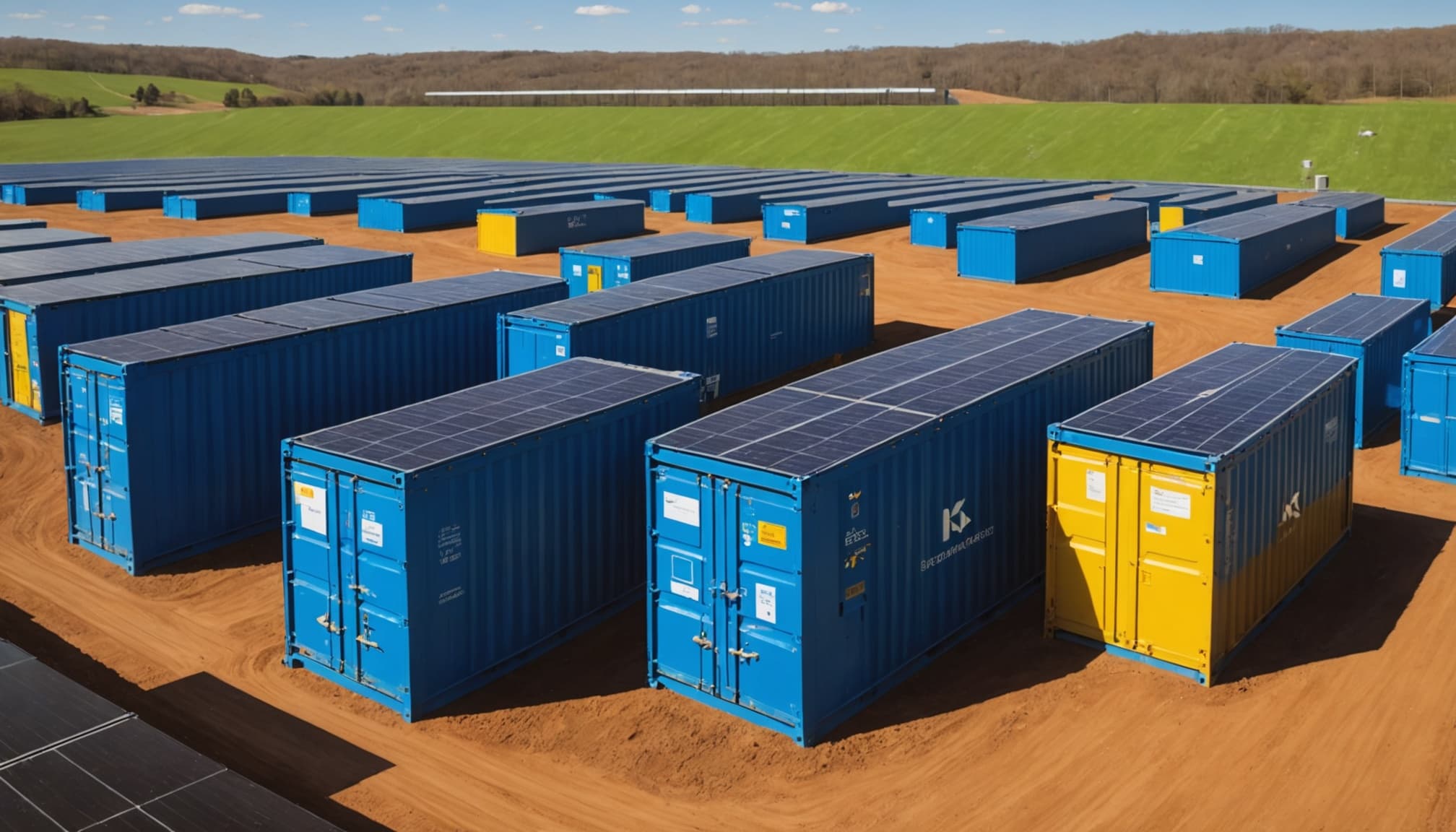
India faces a significant implementation challenge in its battery energy storage ambitions, with 98 GWh of BESS capacity auctioned between 2018-2026 across 191 tenders but only 8.5 GWh operational as of June 2026. According to reports from Essential Business Intelligence, this operational capacity includes 6.9 GWh in merchant mode, highlighting the gap between auctioned capacity and actual deployment. The discrepancy underscores the challenges in translating policy frameworks into ground-level execution, particularly given the strategic importance of BESS for grid stability and renewable energy integration.
The National Electricity Plan 2023 establishes ambitious targets requiring 47.24 GW/236.22 GWh BESS capacity by FY 2031-32 to support a 500 GW renewable energy grid. As reported by Essential Business Intelligence, the framework progressively increases storage procurement requirements from 4% by FY 2029-30 under the energy storage obligation trajectory. The National Framework for Promoting Energy Storage Systems, issued in August 2023, recognizes BESS as a key mechanism for resolving variability challenges associated with renewable energy sources and enabling larger renewable integration. The framework contemplates that the Central Government may consider issuing a list similar to the existing ALMM framework for solar cells and panels for BESS, which has proven transformative for solar manufacturing.
BESS deployment in India operates through three primary models: charging infrastructure, distribution services, and merchant operations. According to Essential Business Intelligence, winning bid tariffs show significant variation across project types, with standalone BESS projects attracting bids between ₹2.85-4.44 lakhs per MW per month, while co-located projects range from ₹2.86-3.52 per kWh. For FDRE projects, tariffs span ₹4.35-5.06/kWh for round-the-clock operations to ₹6.27-8.50/kWh for peak-specific projects. The merchant model represents the most structurally interesting development, operating without long-term offtake agreements through power exchange participation.
India's domestic manufacturing capacity shows modest progress with battery cell manufacturing reaching approximately 4 GWh and packs manufacturing up to 32-37 GWh as of June 2026. As reported by Essential Business Intelligence, the installed BESS capacity is estimated to surpass 10 GWh by December 2026. Policy support includes BESS inclusion in the Harmonised Master List of Infrastructure in 2022, providing improved access to institutional credit, and the CERC regulations offering 100% transmission charge waiver for projects commissioned by June 30, 2028, applicable for 12 years. The National Framework contemplates potential ALMM-like frameworks for BESS similar to existing solar manufacturing support.