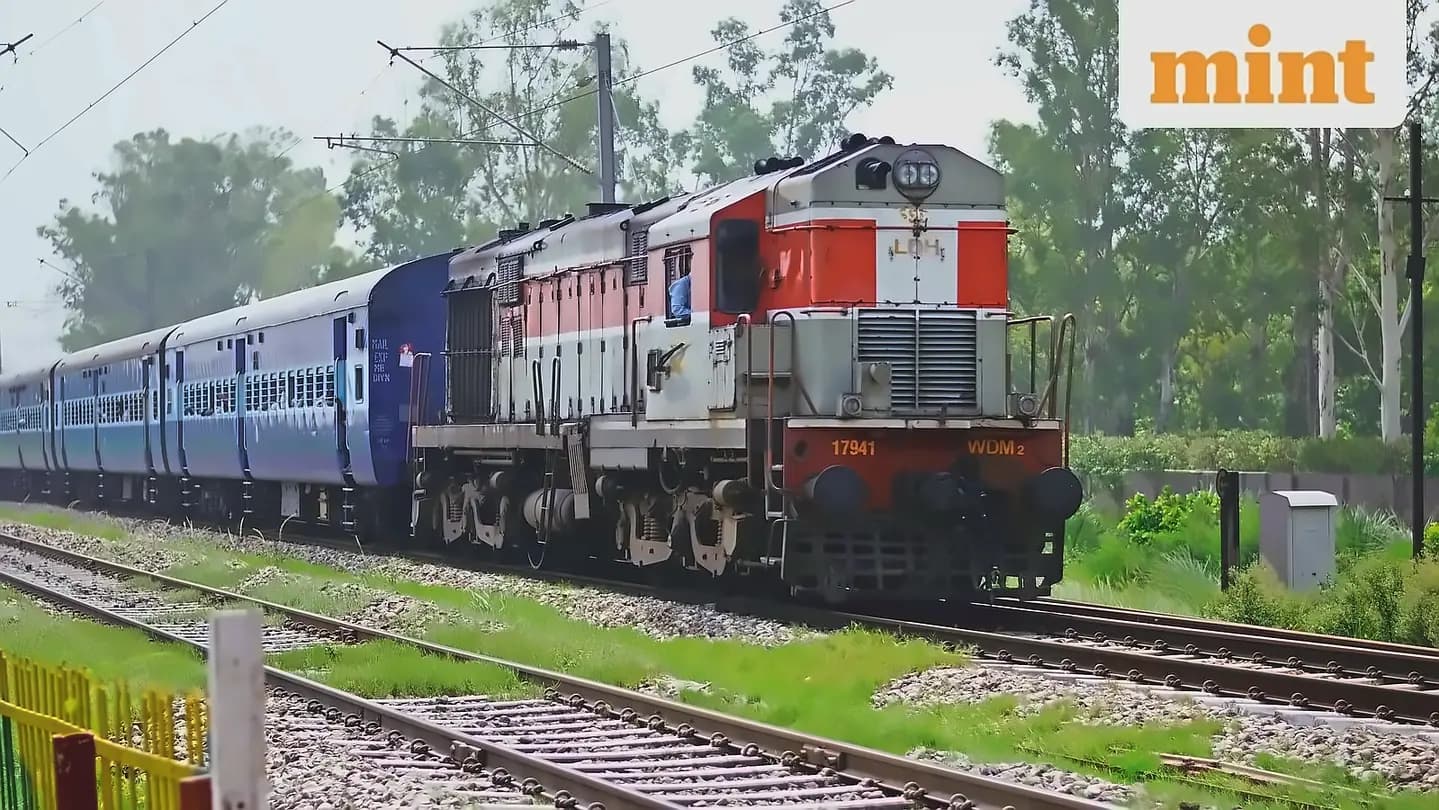
Amazon India has expanded its partnership with Indian Railways by starting operations on the Western Dedicated Freight Corridor (WDFC), becoming the first e-commerce company to operate on the corridor's inaugural Joint Parcel Product–Rapid Cargo Service (JPP-RCS) train. The daily rail service operates with over 10 Van Parcels and links Amazon's network across Delhi, Ahmedabad and Surat, with onward connectivity to Pune, Mumbai and Goa. The service was flagged off on August 18, 2026 at New Dadri Railway Station by Dr Manoj Singh, Member (Operations and Business Development), Railway Board and Kishore Lanka, Director-Operations, Amazon India. The Western Dedicated Freight Corridor spans approximately 1,504 kilometres from New Dadri in Uttar Pradesh to the Jawaharlal Nehru Port Terminal (JNPT) near Mumbai, designed to decongest existing railway routes and support heavy-haul trains.
Indian Railways is launching a comprehensive digital transformation of its parcel services, moving beyond traditional station-to-station operations to offer door-to-door delivery through an app-based platform. According to reports from Mint, the Rail Parcel App was launched as a pilot by South Central Railway in February and is proposed to be rolled out nationally by the last quarter of the current fiscal year or early in fiscal year 2028 (FY28). The app will allow customers to book consignments, make digital payments, and arrange pickup without visiting railway premises or completing conventional paperwork.
The initiative targets India's rapidly expanding courier, express and parcel market, which is valued at approximately ₹80,800 crore ($9.6 billion) in 2026 and is projected to reach ₹1,42,500 crore ($17.5 billion) by 2031, according to global market intelligence firm Ken Research. As reported by Mint, the market is growing at a compound annual growth rate of 10.58%, highlighting the significant opportunity for Indian Railways to tap into this expanding sector. The service will focus on smaller consignments, e-commerce shipments, micro, small and medium enterprises (MSMEs), and other cargo that has increasingly shifted to road transport.
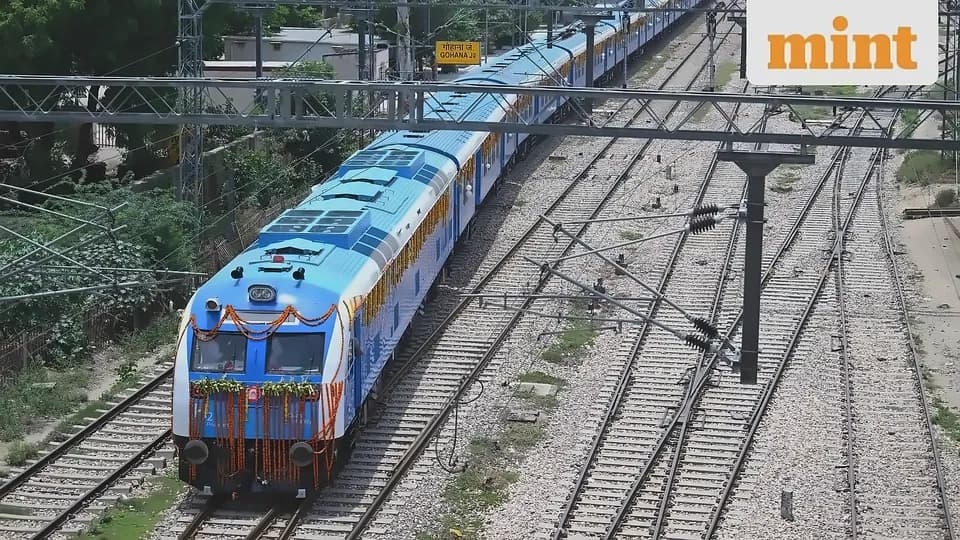
The new DFCCIL rapid parcel service is expected to generate approximately ₹21 lakh per round trip, translating into an annual revenue potential of around ₹76 crore with regular operations. According to DFCCIL, the service provides an integrated rail-and-road logistics solution covering the complete movement of goods from origin to destination, including collection by aggregators, rail transportation on a fixed timetable, and delivery to end customers. The service is facilitated through the Virtual Aggregation Platform on DFCCIL's Freight Business Development portal, offering bookings up to 180 days in advance alongside integration with aggregator websites, digital tracking and improved logistics planning.
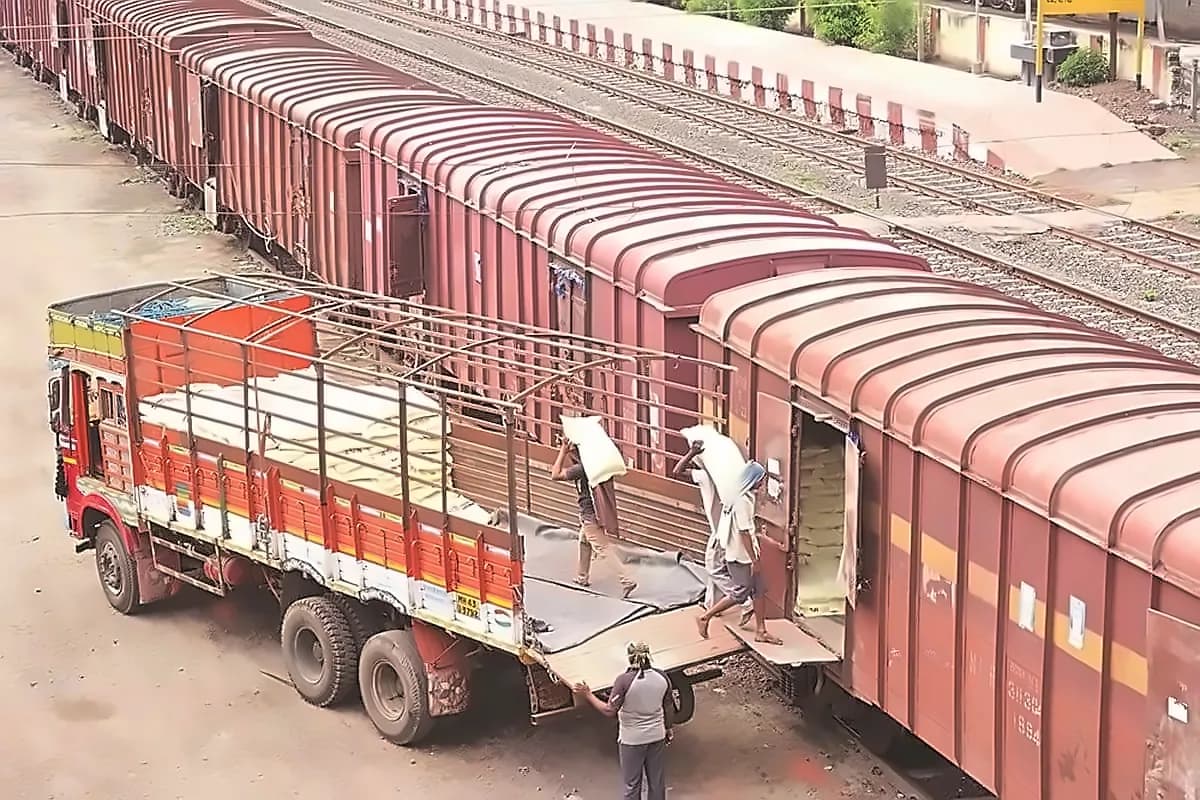
The new service operates through a hybrid model where delivery partners handle first- and last-mile movement, combining pickup, rail transport, delivery and tracking into a single chain. As reported by Mint, the model positions railways as the long-haul backbone while private logistics companies handle customer-facing operations. Industry experts suggest this approach addresses rail freight's key disadvantage compared with road transport by aggregating smaller consignments and providing seamless integration with existing logistics networks. The service is expected to provide a more sustainable alternative for long-distance parcel movement by shifting suitable traffic from road to rail, as trucks account for only around 3 percent of India's vehicle fleet but contribute nearly 34 percent of transport-related CO2 emissions and 53 percent of particulate matter emissions.
According to Jagannarayan Padmanabhan from Crisil Intelligence, this represents a strategically important shift from being primarily a rail transporter to an integrated logistics player. Kuljit Singh from EY India noted that the initiative marks a shift towards becoming an integrated logistics enabler, making rail freight more accessible to smaller businesses, MSMEs and e-commerce players. Abhishek Chakraborty from DTDC Express emphasized that combining Indian Railways' scale, infrastructure and reach with private players' technology and customer experience could make goods movement more seamless. Amazon India's association with Indian Railways began in 2019, when the company entered into an operational engagement to use the railway network for express parcel movement using parcel wagons attached to Rajdhani Express trains on the Mumbai-Delhi route. Since then, Amazon India's rail network has expanded from a single train in 2019 to more than 140 trains operating across 130 intercity routes and connecting more than 100 destination cities.