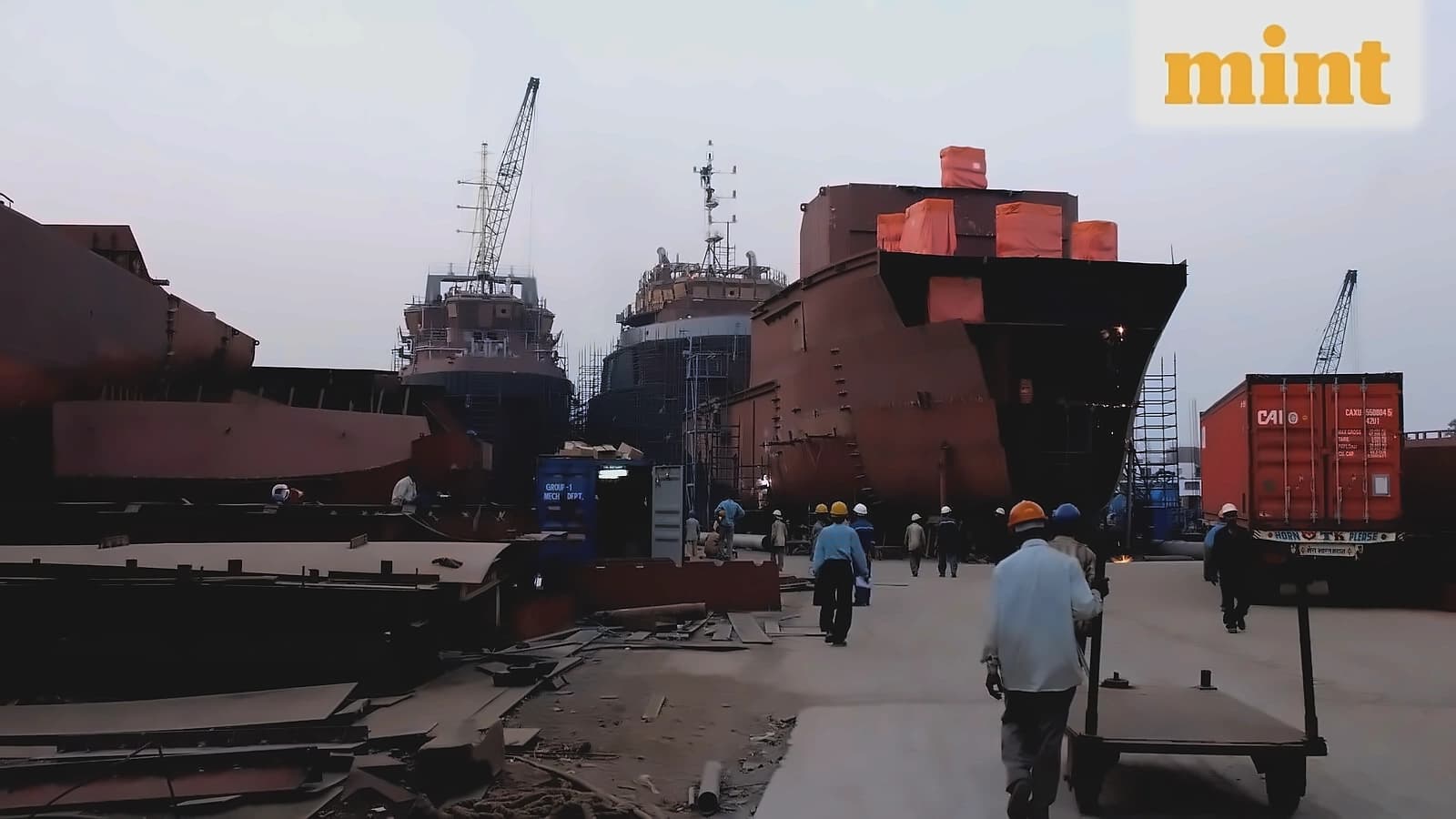
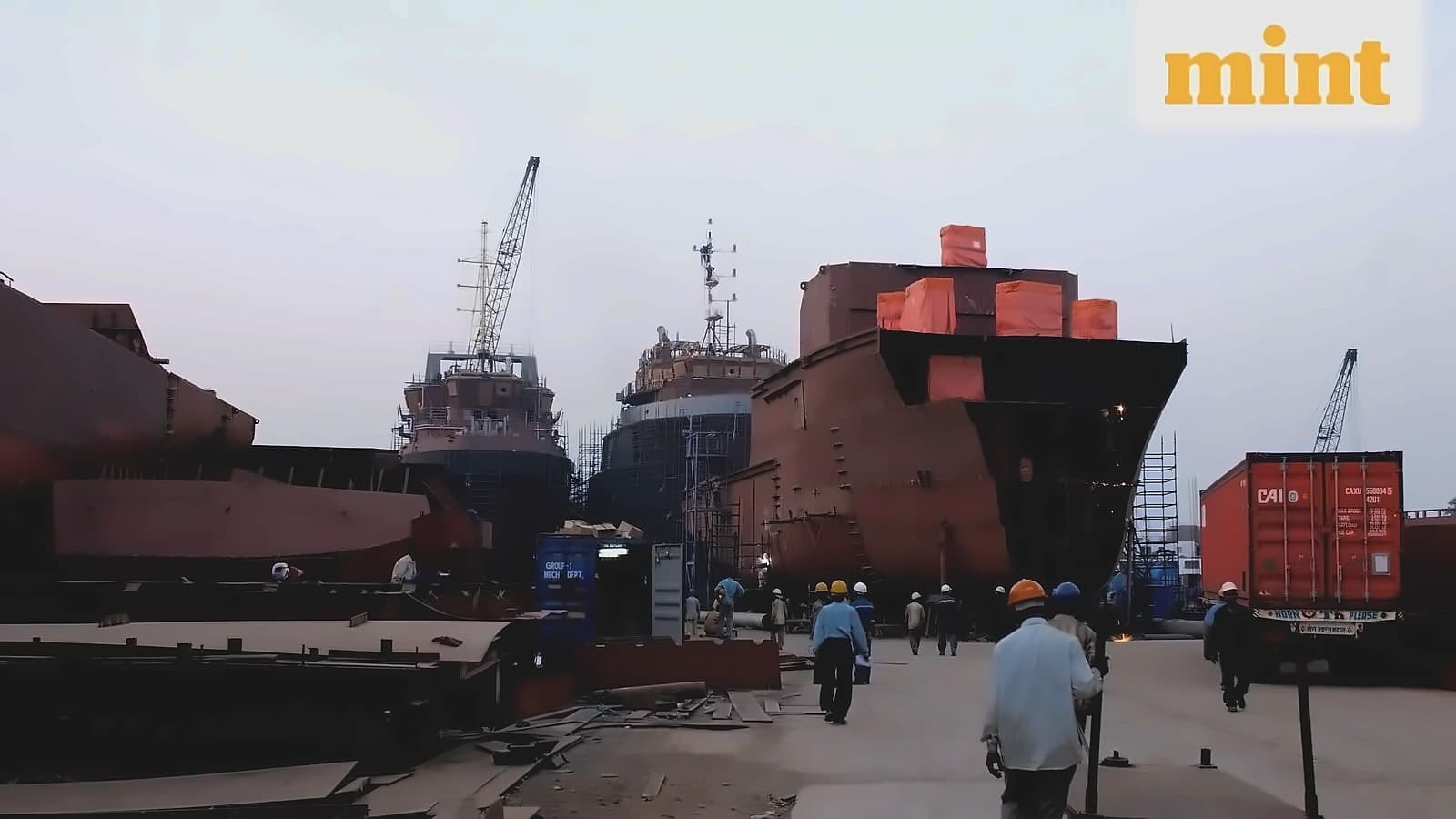
India is making its most ambitious push to emerge as a global shipbuilding destination, driven by geopolitical shifts, global supply chain diversification and its ambition to become a major manufacturing nation. According to reports from Mint, the country currently accounts for less than 1% of global shipbuilding, a market overwhelmingly dominated by China, South Korea and Japan. However, New Delhi sees an opportunity as shipping companies look to diversify production bases while global demand for commercial vessels remains robust. The sector creates high-skilled jobs, supports the steel, engineering, and electronics industries, boosts exports, and strengthens maritime security. It also complements India's broader industrial strategy of becoming a global logistics and manufacturing hub while reducing dependence on imported ships.
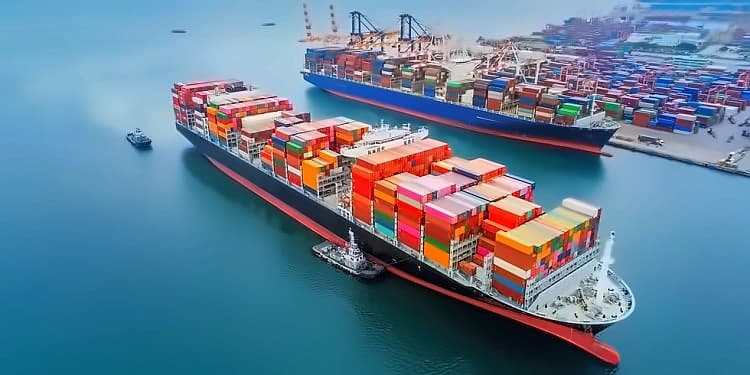
Indian shipyards have secured significant export orders demonstrating growing global credibility. State-owned Cochin Shipyard Ltd (CSL) has secured an order from French shipping giant CMA CGM to build six feeder container vessels of around 1,700 twenty-foot equivalent unit (TEU) capacity, marking one of the most significant commercial export contracts won by an Indian shipyard. As reported by Mint, private player Swan Defence & Heavy Industries has also secured orders for six specialized chemical tankers from Norwegian shipping company Rederiet Stenersen and four Kamsarmax bulk carriers from New Energy One (NEO). On the domestic front, Mazagon Dock Shipbuilders Ltd has received an order worth around ₹330 crore from the Shipping Corporation of India for a methanol-dual-fuel platform supply vessel, reflecting the country's push towards green shipping technologies.
Indian shipyards are rapidly expanding beyond small and medium-sized vessels to more sophisticated commercial ships. According to Mint, current capabilities include feeder container vessels, chemical and product tankers, Kamsarmax bulk carriers, offshore platform supply vessels, anchor-handling tugs, dredgers, LPG carriers, including very large gas carriers (VLGCs), as well as green vessels powered by LNG and other alternative fuels. The government says demand aggregation has already identified a one-year procurement pipeline of 62 vessels across multiple categories, reflecting increasing diversification. Engineering companies such as Larsen and Toubro Ltd have begun participating in commercial shipbuilding tenders covering platform supply vessels, medium-range tankers, container vessels and VLGCs.
The government's strategy combines immediate demand creation with long-term financial support to attract investment. As reported by Mint, around 437 vessels have been identified under the demand aggregation programme, with procurement for 62 vessels planned during the first year. Expressions of Interest or tenders have already been floated for 38 vessels, with contract awards expected shortly. The Shipbuilding Financial Assistance Scheme (SBFAS), revamped in September 2025, has received 36 applications covering contracts worth around ₹8,000 crore, with eligible government financial assistance estimated at over ₹1,700 crore. The broader financing framework includes ₹25,000 crore earmarked for financial aid between FY26 and FY36, including a proposed ₹20,000 crore Maritime Investment Fund that could eventually expand to ₹30,000 crore with private participation, alongside a ₹5,000 crore Interest Incentivization Fund to lower borrowing costs for maritime projects.
Capacity creation is the most ambitious element of the government's strategy with significant infrastructure investments planned. According to Mint, in-principle approval has been granted for two greenfield shipbuilding clusters in Thoothukudi, Tamil Nadu, and Dugarajapatnam, Andhra Pradesh. The Thoothukudi cluster, spread across more than 2,000 acres, is designed to build vessels of up to about 300,000 deadweight tonnes (DWT). Tamil Nadu has signed a memorandum of understanding with HD Korea Shipbuilding & Offshore Engineering to develop what could become one of India's largest shipyards, with an annual capacity of 2.5 million gross tonnage (GT). The Andhra Pradesh cluster will cover roughly 2,700 acres and is planned with an annual capacity of around 1.2 million GT, with the government estimating investments of around ₹9,930 crore for these greenfield hubs. Three more locations—Kuchadi in Gujarat, Dighi in Maharashtra and Kendrapada in Odisha—have also been identified for future shipbuilding clusters, with common infrastructure including breakwaters, basins and maritime industrial facilities.