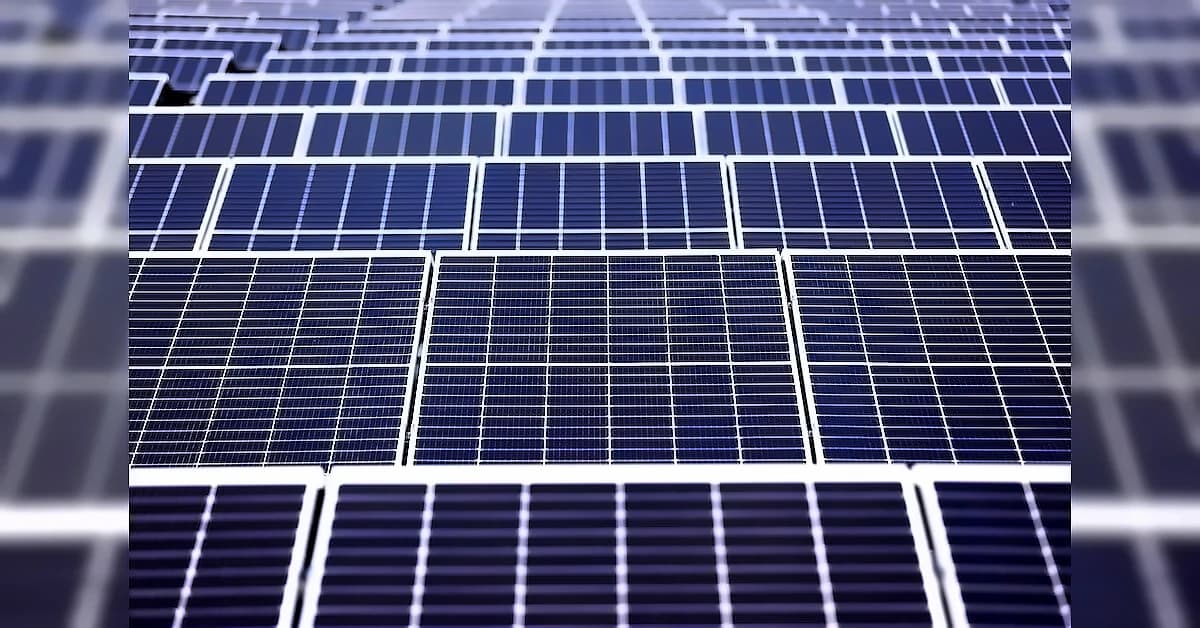
India's clean energy manufacturing sector has experienced remarkable growth, with investment reaching over ₹1 trillion across the PV manufacturing value chain in 2025. According to the International Renewable Energy Agency (IRENA), India's solar manufacturing capacity has expanded dramatically from 5 GW to 125 GW over the past six years. The country's share of global solar PV manufacturing investment jumped from 1% in 2023 to 20% in 2025, while total renewable energy manufacturing-related investment outside China increased from 15% to 23% over just two years. This growth has occurred primarily alongside investments in the US and Europe, marking a significant shift in global clean energy supply chain dynamics.
The transformation is attributed to India's comprehensive policy framework including the Production Linked Incentive (PLI) scheme, Advanced List of Models and Manufacturers (ALMM), domestic sourcing mandate from the ministry of new and renewable energy (MNRE), and Renewable Consumption Obligation (RCO). As reported by Business Standard, Simarpreet Singh, CEO of Hartek Power, emphasized that policy support such as PLI, ALMM and RE consumption obligation has given manufacturers confidence to invest. The ALMM now covers solar cells from June 2026 and will extend to wafers and ingots from 2028, pushing the industry upstream. Anujesh Dwivedi from Deloitte India noted that clean energy is the mainstay of incremental power generation capacity additions in the country, while COVID and geopolitical circumstances have pushed countries towards energy security and self-reliance.
In battery manufacturing, investments outside China have grown from 18% in 2024 to 23% in 2025, led by India, Europe, and other parts of Asia. However, India is yet to catch up on the battery manufacturing wave. According to IRENA, India avoided ₹18 billion in fossil fuel production and import costs through RE power generation in 2025 alone. Amit Manohar, secretary general of the Indian Solar Manufacturers Association (ISMA), stated that announced investments of about ₹1 trillion are planned across the PV manufacturing value chain in India. He noted that if this trend sustains, manufacturing solar equipment, batteries, and electrolysers will retain more value in India, strengthen local suppliers, and build advanced industrial capabilities.
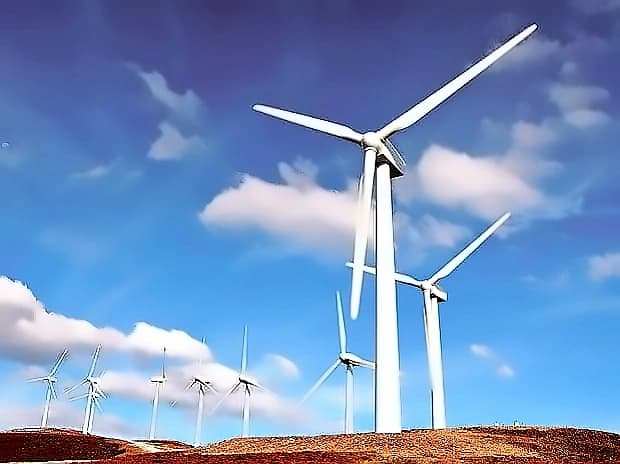
The manufacturing growth is supported by significant infrastructure investments, including the Green Energy Corridor Phase-III scheme with an investment of ₹1.86 trillion to evacuate 135 GW and add 50 GWh of storage. As reported by Business Standard, Singh emphasized that manufacturing capacity is only as valuable as the grid's ability to absorb what is built, with evacuation capacity determining how quickly clean power reaches consumers. The recently approved GEC-III scheme marks a significant step towards strengthening India's smart grid system and clean energy infrastructure. Experts agree that policy continuity, particularly consistent implementation of ALMM for solar cells, will be crucial in sustaining this growth momentum.