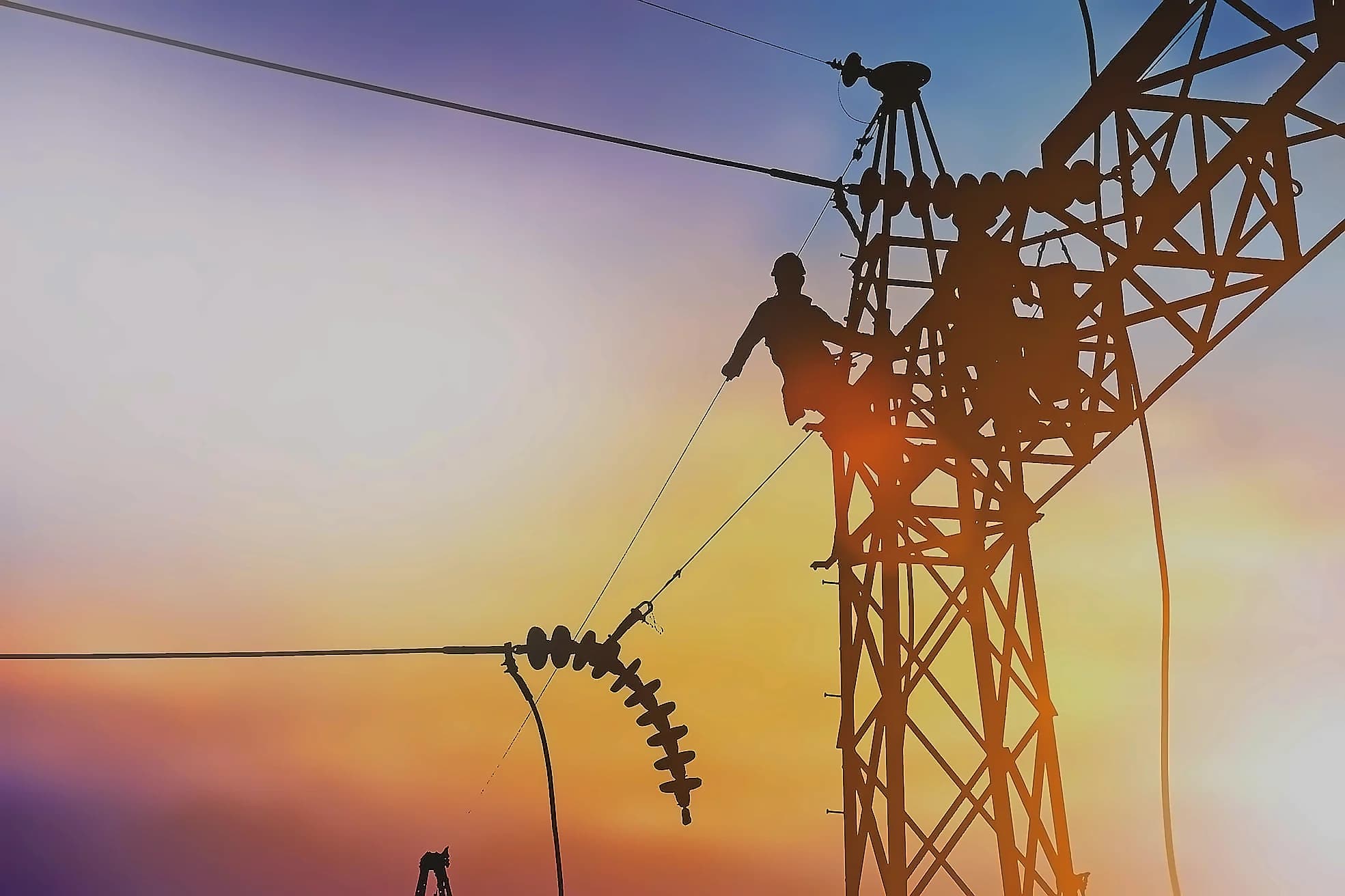
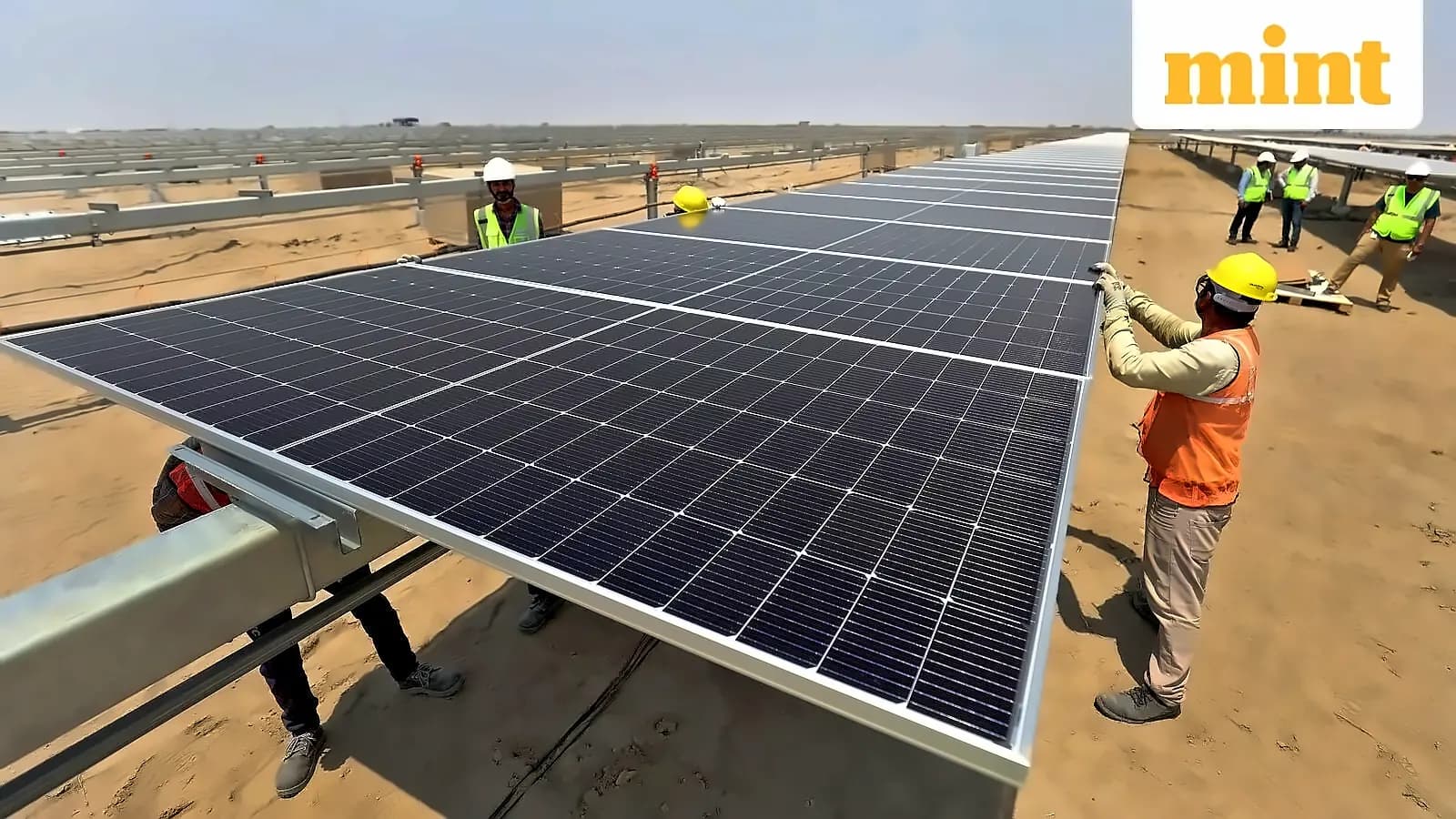
India has committed to sourcing 50% of its power capacity from non-fossil fuels by 2030 and installing 500 GW of such capacity, as reported by Mint. According to the Ministry of New and Renewable Energy, over 180 GW has already been installed, with solar leading the expansion and similar momentum emerging in the industry. The country is currently adding 55 GW of wind capacity with major contributions from Tamil Nadu, Karnataka, Gujarat, Maharashtra and Rajasthan, positioning India in the top five wind markets globally. In a remarkable achievement, India hit 50% installed power capacity from non-fossil sources by March 2025, reaching this milestone five years ahead of the original 2030 target, demonstrating the effectiveness of aggressive policy implementation.
India's energy transition addresses critical vulnerabilities in its energy security, with the country importing nearly 85% of its crude oil and over half of its natural gas, according to the International Energy Agency. In 2025, India's oil and gas import bill approached $140 billion, highlighting the economic risks of continued fossil fuel dependence. The country's exposure to the Strait of Hormuz, through which roughly 20% of global oil supply flows, sees 35-40% of India's crude imports passing through this chokepoint, primarily from Saudi Arabia, Iraq, Kuwait and the United Arab Emirates. The transition is driven by India's position as the fastest-growing major economy on the planet, with electricity demand going vertical due to urbanization and industrial growth requirements.
The renewable energy sector faces significant financial constraints, with projects typically financed with 75-80% debt and requiring trillions of rupees in capital investment over the coming decades. As reported by Mint, internal cash generation from existing renewable assets may only support a fraction of the planned expansion, historically bridged by global pension funds, private equity and public market capital. India plans to invest hundreds of billions of dollars in transmission networks over the coming decades to move renewable electricity from resource-rich regions to major demand centres. The country has responded by opening the floodgates to 100% Foreign Direct Investment (FDI) into the renewable sector via the automatic route, with $24 billion in FDI flowing between 2000 and mid-2025, and 83% of all capital invested in the Indian power sector going into clean energy in 2024.
The renewable energy sector confronts technical challenges as solar generation is concentrated during the middle of the day, with a 100-megawatt solar plant averaging 25 megawatts across a full day but producing close to full capacity in the afternoon. According to Bloomberg NEF, global energy storage deployment is expected to exceed 400 GW by 2030—more than ten times today's installed base. India already has more than 4.7 GW of operational pumped storage capacity and over 40 GW of projects under various stages of development and planning. The government is exploring pumped hydro storage projects that take a decade to build and grid-scale battery storage to absorb midday solar glut and discharge power at peak demand times. Hybrid renewable projects combining solar, wind and storage are becoming the preferred architecture for large power systems, with India's solar PV module manufacturing capacity doubling between 2024 and 2025, crossing 140 GW per year through the Production Linked Incentive scheme.
India has launched the National Green Hydrogen Mission with $2.37 billion investment, targeting 5 million metric tonnes production by 2030. The government is legally forcing the fertilizer industry to replace gray ammonia with green ammonia and providing direct cash incentives through the Strategic Interventions for Green Hydrogen Transition (SIGHT) program. Major conglomerates like Reliance, Adani and ReNew are investing billions in green hydrogen hubs, leveraging India's cheapest renewable electricity in the world, where electricity costs represent about 70% of green hydrogen production costs. Recognizing critical mineral vulnerabilities, India has rewritten the Mines and Minerals Act to allow private companies to prospect for lithium, cobalt and nickel domestically and is scouring the Lithium Triangle in South America and Australia through state-backed joint ventures. The country has also implemented Atmanirbhar Bharat (Self-Reliant India) policies through Production Linked Incentive schemes, with solar PV module manufacturing capacity doubling between 2024 and 2025.