The central government has made significant progress on its ambitious ₹81,000 crore integrated development plan for Great Nicobar Island, with key approvals moving forward across multiple components. According to reports from ANI, citing defence ministry sources, the Public Private Partnership Appraisal Committee (PPPAC) appraisal for the International Container Transhipment Port (ICTP) has been completed, and the Detailed Cabinet Note (DCN) has been submitted by the Ministry of Ports, Shipping and Waterways (MoPSW) to the Ministry of Finance. Additionally, the Expenditure Finance Committee (EFC) meeting for the township component was conducted last week, marking substantial advancement in the project's approval process.
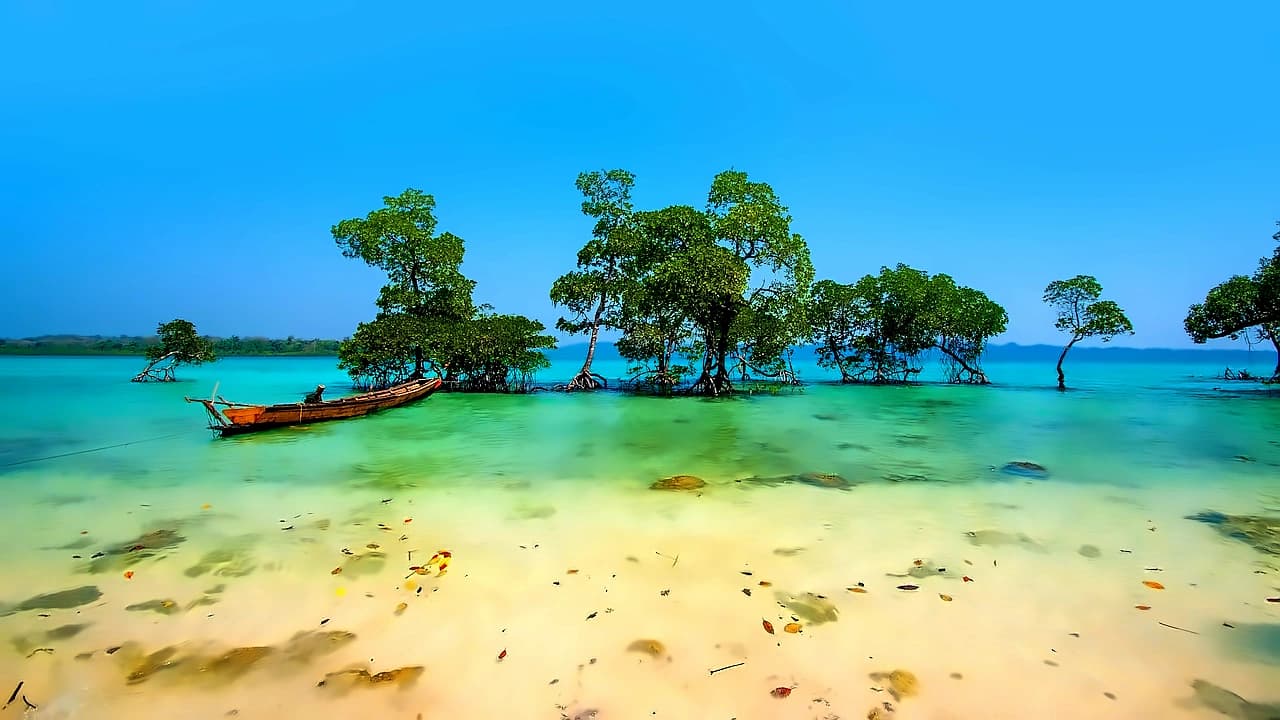
The Great Nicobar Project represents a strategic initiative aimed at ensuring a long-term, sustainable presence in the strategically located island chain. As reported by PIB, the project seeks to balance port-led growth with calibrated environmental safeguards and protection of indigenous communities. By combining strategic, economic, and ecological priorities, the project ensures sustainable, inclusive development aligned with national interests while carefully evaluating social, cultural, and environmental impacts.
The project encompasses four interlinked developments including an International Container Transhipment Port (ICTP), a joint-use Greenfield airfield and Naval Air Station, a township, and a power plant. According to PIB, the project also includes a Greenfield International Airport with capacity of 4000 Peak Hour Passengers (PHP) and a 450 MVA gas and solar-based power plant. Additionally, the development will feature a new township spanning 16,610 hectares across the total project area of 166.10 square km.
The project will be carried out in three distinct phases and covers a total area of 166.10 square km, which includes 35.35 sq. km of revenue land and 130.75 sq. km of forest land. As reported by PIB, the development follows a sensitive and holistic approach considering the needs of indigenous communities and aims to protect the island's ecological resources. The plan carefully evaluates social, cultural, and environmental impacts while prioritising options that balance environmental, social, and economic goals.
The Nicobar Islands are inhabited by aboriginal Mongoloid tribes, including the Shompens (about 237) who are hunter-gatherers and the Nicobarese (about 1,094) who live in coastal settlements and depend mainly on fishing for survival. According to PIB, the project carefully considers the needs of these indigenous communities while prioritising development options that balance environmental, social, and economic goals in the sensitive island environment.