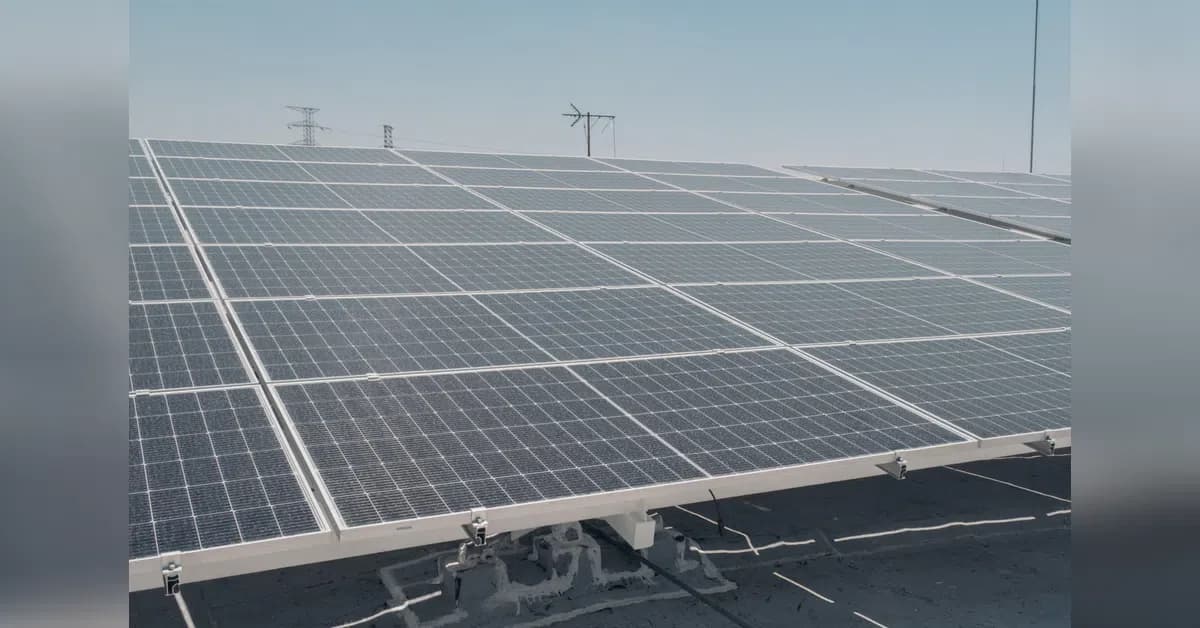
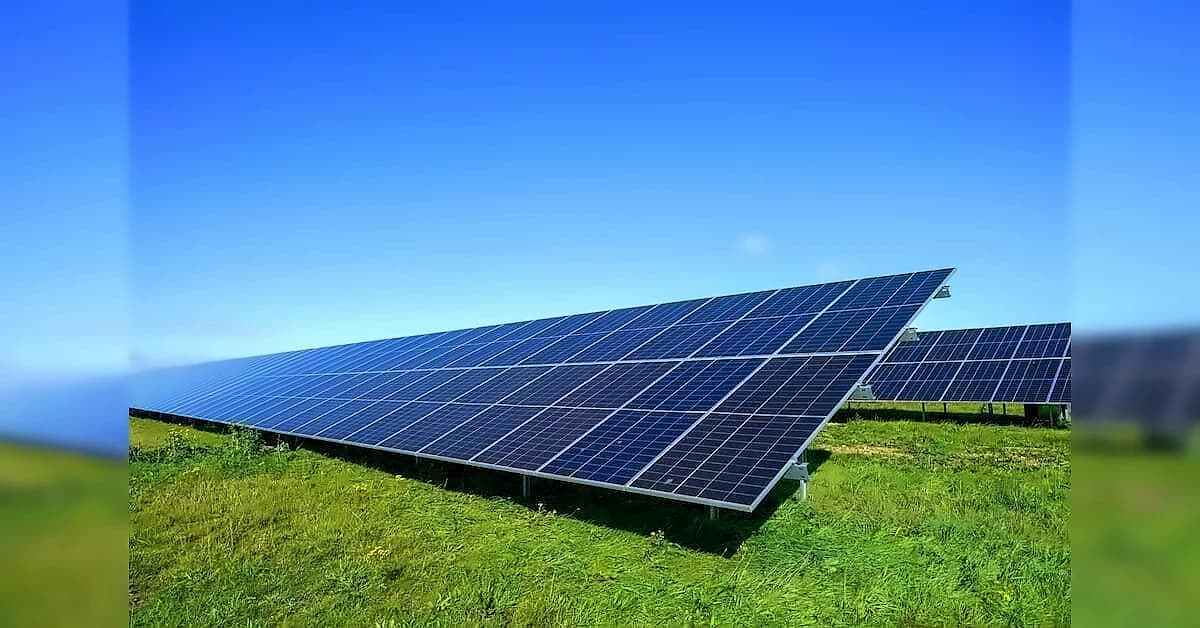
India has achieved a significant milestone in renewable energy, overtaking the United States to become the world's second-largest solar growth market in 2025. According to reports from Xinhua, New and Renewable Energy Minister Pralhad Joshi announced this development on Wednesday, highlighting India's rapid transformation in solar capacity additions. The achievement comes as India continues to drive record capacity additions through strong policy support, innovation and world-class infrastructure, as noted by Joshi on social media platform X.
According to the International Renewable Energy Agency (IRENA), India added 37 gigawatts (GW) of solar capacity in 2025, compared with 34 GW added by the US. As reported by Xinhua, China remained the largest solar growth market, adding 315 GW during the year. India's capacity additions have shown remarkable acceleration, with the country adding 9.6 GW in 2023, 25.4 GW in 2024, and 37 GW in 2025. In contrast, the US added 27 GW and 37.7 GW during those respective years.
Despite leading in annual growth, India continues to trail the US in cumulative installed solar capacity. According to Xinhua, while total installed solar capacity in the US stood at 211.6 GW at the end of 2025, India's installed capacity was 135.5 GW. However, India has significantly improved its global ranking, becoming the third-largest solar power producer in 2024, surpassing Japan. Japan's solar capacity increased from 87 GW in 2023 to nearly 90 GW in 2024, while India's capacity rose from 73 GW to more than 98 GW during the same period.
The pace of solar power installations in India has accelerated significantly over the past decade. As reported by Xinhua, after crossing 50 GW of installed capacity in 2022, India added the next 50 GW in three years and another 50 GW in just 14 months between January 2025 and March 2026, reaching 154 GW as of April 2026. In FY26, India added 44.61 GW of solar power capacity against a target of 34 GW, which was nearly double the previous record addition of 23.83 GW achieved in FY25.
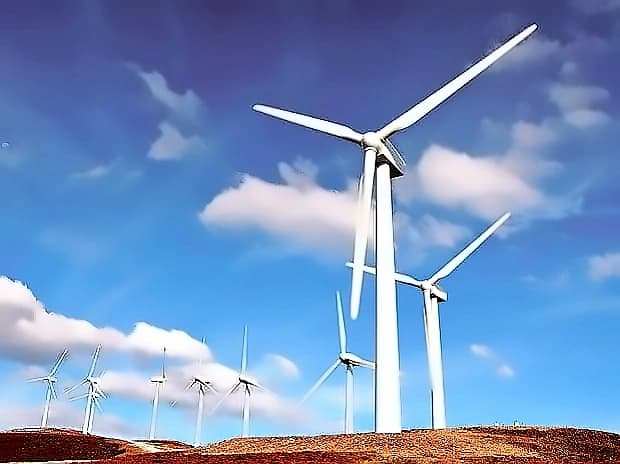
India has set ambitious renewable energy targets and is making significant progress toward its goals. According to Xinhua, India aims to achieve 500 GW of renewable energy capacity by 2030. Currently, around half of the country's total installed power generation capacity, or 288 GW, comes from non-fossil fuel sources. This includes 56 GW of wind power, 51 GW of large hydro capacity, 8.8 GW of nuclear power, more than 11 GW of bioenergy and 5 GW of small hydro projects as of April 2026. India ranks third globally in renewable energy installed capacity, according to IRENA, though non-fossil fuel sources account for less than 30 per cent of actual electricity generation.