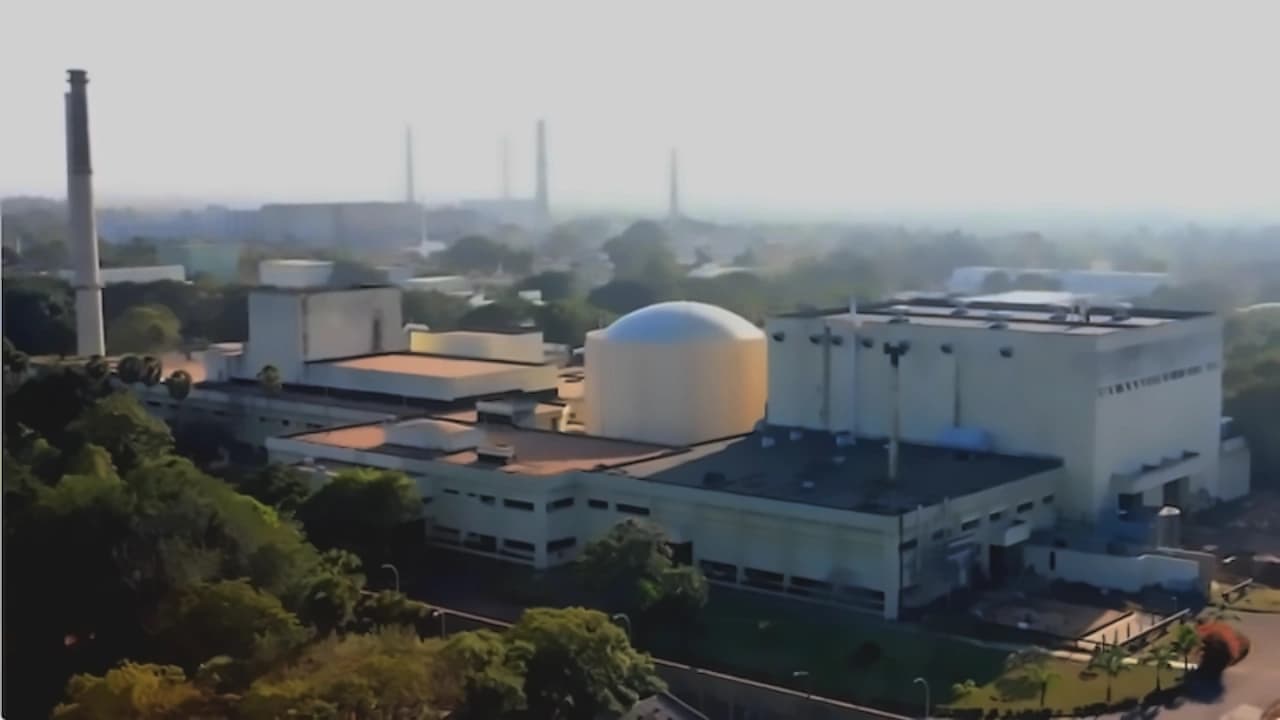
India has inaugurated the world's first hydrogen production facility powered by nuclear process heat, marking a significant milestone in clean energy technology. According to reports from NDTV, Secretary of the Department of Atomic Energy Ajit Kumar Mohanty inaugurated the facility, which uses the Copper-Chlorine (Cu-Cl) thermochemical cycle to produce hydrogen using heat generated by the Fast Breeder Test Reactor (FBTR) at the Indira Gandhi Centre for Atomic Research (IGCAR) in Kalpakkam, Tamil Nadu. The Cu-Cl process itself was developed indigenously by the Bhabha Atomic Research Centre (BARC) in Mumbai. As reported by NDTV, Mohanty stated that "The integration of nuclear energy with emerging clean energy technologies such as hydrogen production represents a strategic pathway towards a sustainable energy future," emphasizing that nuclear power can provide both reliable carbon-free electricity and the high-temperature process heat ideal for hydrogen production. The inauguration marks a major step towards realizing the vision of AtmaNirbhar Bharat through the convergence of nuclear energy and clean hydrogen technologies, as stated by the Department of Atomic Energy, demonstrating DAE's continued commitment to indigenous innovation and reinforcing India's resolve to build a sustainable, secure and low-carbon energy future for Viksit Bharat.
The facility represents a fundamental shift from conventional hydrogen production methods that rely on fossil fuels or grid electricity for heating, which carries a carbon footprint. According to NDTV, this facility instead draws heat directly from the FBTR, a reactor that has been operational since 1985 and forms the cornerstone of India's second-stage nuclear programme. Fast breeder reactors operate at high temperatures, making them particularly well-suited to driving thermochemical processes like the Cu-Cl cycle, resulting in carbon-free hydrogen production. As reported by NDTV, IGCAR Director Sreekumar G. Pillai told the outlet that the demonstration "showcases the versatility of advanced nuclear systems and underscores our commitment to developing innovative solutions for India's clean energy transition." The Copper-Chlorine thermochemical cycle operates at a maximum temperature of around 530°C, significantly lower than competing cycles such as sulphur-iodine which require temperatures above 850°C. The overall efficiency of the Cu-Cl cycle has been estimated at just over 43%, excluding additional potential gains from utilising waste heat, with the electrochemical step generally operating between 0.6 and 1.0 volts. The commissioning represents the culmination of extensive research, process development, engineering design, equipment fabrication, installation, testing and commissioning efforts undertaken jointly by BARC and IGCAR, with the plant providing valuable operational experience and facilitating further optimization of the Cu-Cl process.
According to NDTV reports, hydrogen is widely viewed as a fuel of the future, especially for sectors that are difficult to decarbonize, such as heavy industry and transport. By producing hydrogen using nuclear heat rather than fossil fuels, India can generate large volumes of clean hydrogen while avoiding carbon emissions. Officials say this supports the country's goal of reaching net-zero emissions by 2070. As stated by Mohanty to NDTV, "The integration of nuclear energy with emerging clean energy technologies such as hydrogen production represents a strategic pathway towards a sustainable energy future." As reported by NDTV, the facility's unique advantage lies in nuclear reactors' ability to operate continuously, producing stable high-temperature heat and electricity around the clock, allowing plants to operate at high utilisation levels throughout the year. This reliability could significantly improve hydrogen production economics compared to renewable-powered electrolysis whose availability fluctuates with weather conditions. The Department of Atomic Energy described the facility as a technology demonstrator, meant to validate the Cu-Cl process before any scale-up, with officials saying its commissioning reflects years of joint research, engineering and testing by BARC and IGCAR.
Separately, as reported by NDTV, the 500-megawatt Prototype Fast Breeder Reactor at Kalpakkam recently achieved criticality, marking another milestone in India's broader fast breeder programme. This reactor underpins the second stage of the country's three-stage nuclear strategy, demonstrating the ongoing advancement of India's nuclear energy capabilities for clean energy applications. According to NDTV, the 500 MWe Prototype Fast Breeder Reactor achieved first criticality on 6 April 2026, though the reactor has not yet begun commercial power generation. By coupling hydrogen production with the Fast Breeder Test Reactor, India is now demonstrating that advanced reactors can support industrial applications beyond electricity generation, with potential implications extending to future advanced reactors becoming integrated energy parks simultaneously producing electricity, hydrogen, industrial steam, desalinated water and synthetic fuels. IGCAR, established in 1971, has been at the forefront of India's Fast Breeder Reactor programme and successfully designed, constructed and operated the Fast Breeder Test Reactor, which has served as an invaluable platform for development and validation of fuels, materials and sodium technologies for more than four decades.