The Centre is working to improve the efficiency and durability of India's gas transportation network by adopting an internationally recognised quality standard for friction-reduction coatings used inside steel gas pipelines. According to reports from Mint, the Bureau of Indian Standards (BIS) has proposed adopting ISO 15741:2016 as an Indian Standard, providing a uniform benchmark for internal coatings used in steel gas transmission pipelines. The draft standard was placed in the public domain on 24 July for a two-month stakeholder consultation.
India has 25,923 km of operational gas transmission pipelines while another 9,954 km is under construction, taking the total authorised network to 34,238 km, as reported by the Petroleum and Natural Gas Regulatory Board (PNGRB). The government aims to raise natural gas's share in the energy mix to 15% by 2030 from about 6.5%, driven by wider adoption of piped natural gas and greater use of gas in long-haul transport. Natural gas is transported across India through high-pressure steel transmission pipelines linking gas fields, LNG import terminals and cross-border supply points with city gas distribution networks, fertiliser plants, refineries, power stations and industrial consumers.
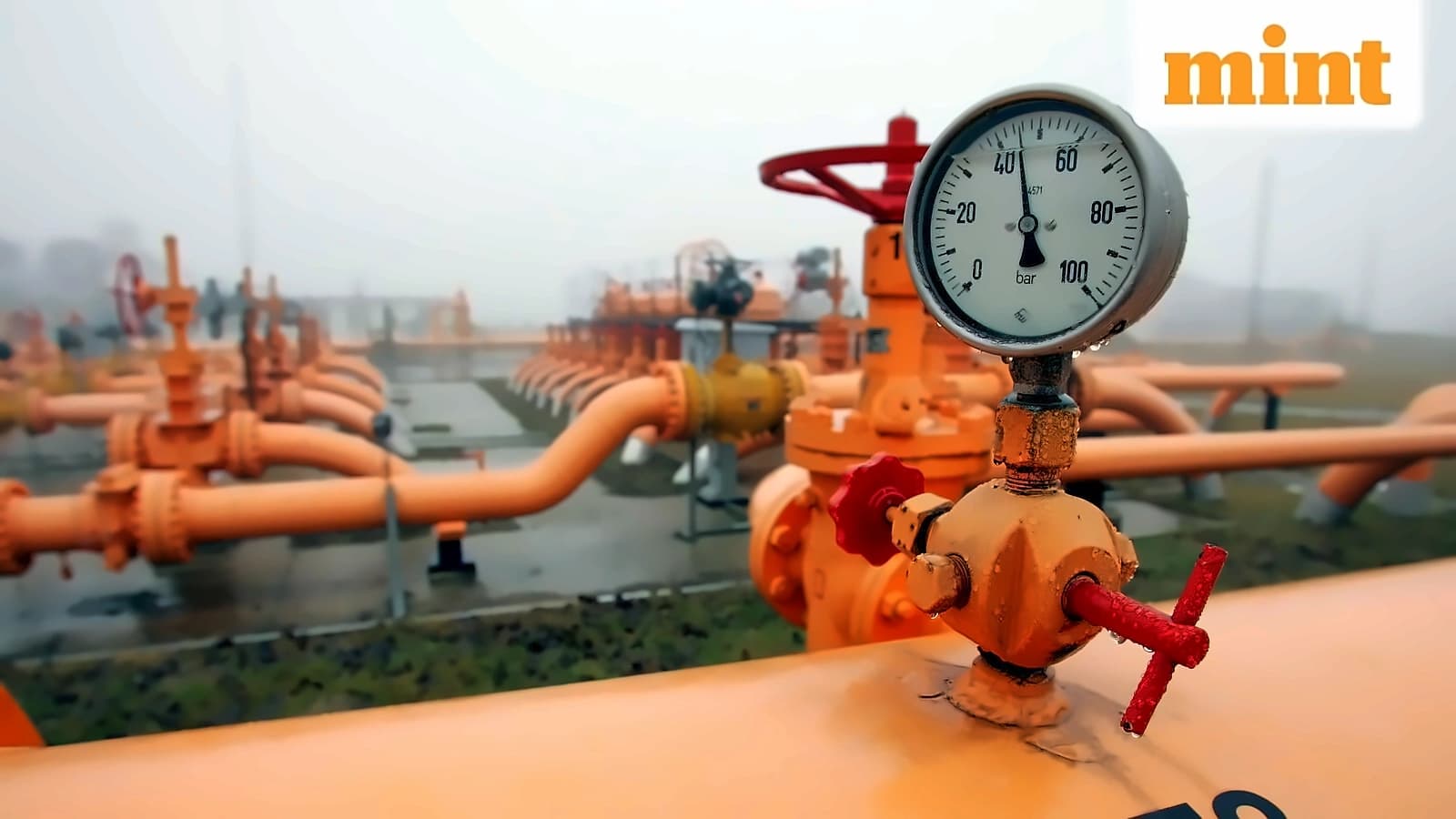
As gas travels over long distances, compressor stations maintain pressure across the network, and friction-reduction coatings minimize pressure losses and improve transportation efficiency. According to officials close to the development, these coatings are designed to reduce friction inside pipelines, improve gas flow, lower energy consumption during transportation and provide temporary corrosion protection to the internal surface of pipelines during storage and transportation. The implementation of the standard will remain voluntary unless the government subsequently notifies it under a Quality Control Order (QCO). Companies choosing to adopt the standard will need to comply with technical requirements including specifications relating to coating materials, process controls, testing and quality assurance measures.
Anil Bhardwaj, fellow at the Association for Materials Protection and Performance (AMPP) and pipeline internal corrosion expert, emphasized that international standards should function as an integrated system covering the entire pipeline lifecycle rather than as isolated technical documents. As reported by Mint, he stated that India should harmonise its national requirements with internationally recognised standards but adapt them to Indian operating conditions, organisational capabilities, ageing assets, climatic diversity, densely populated areas and the large number of non-piggable pipelines. The proposed BIS standard is aimed at providing a common nationally recognised benchmark, enabling manufacturers, pipeline operators and testing laboratories to work with a uniform set of technical requirements, testing methods and performance criteria.