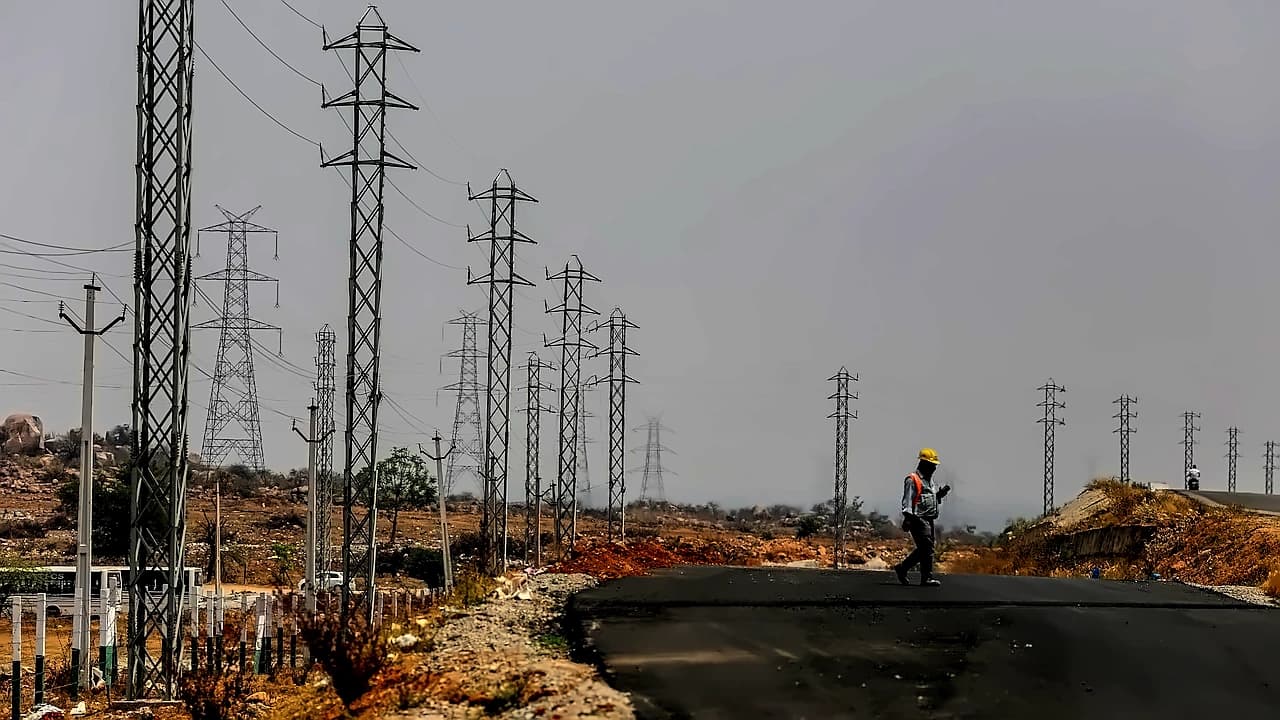
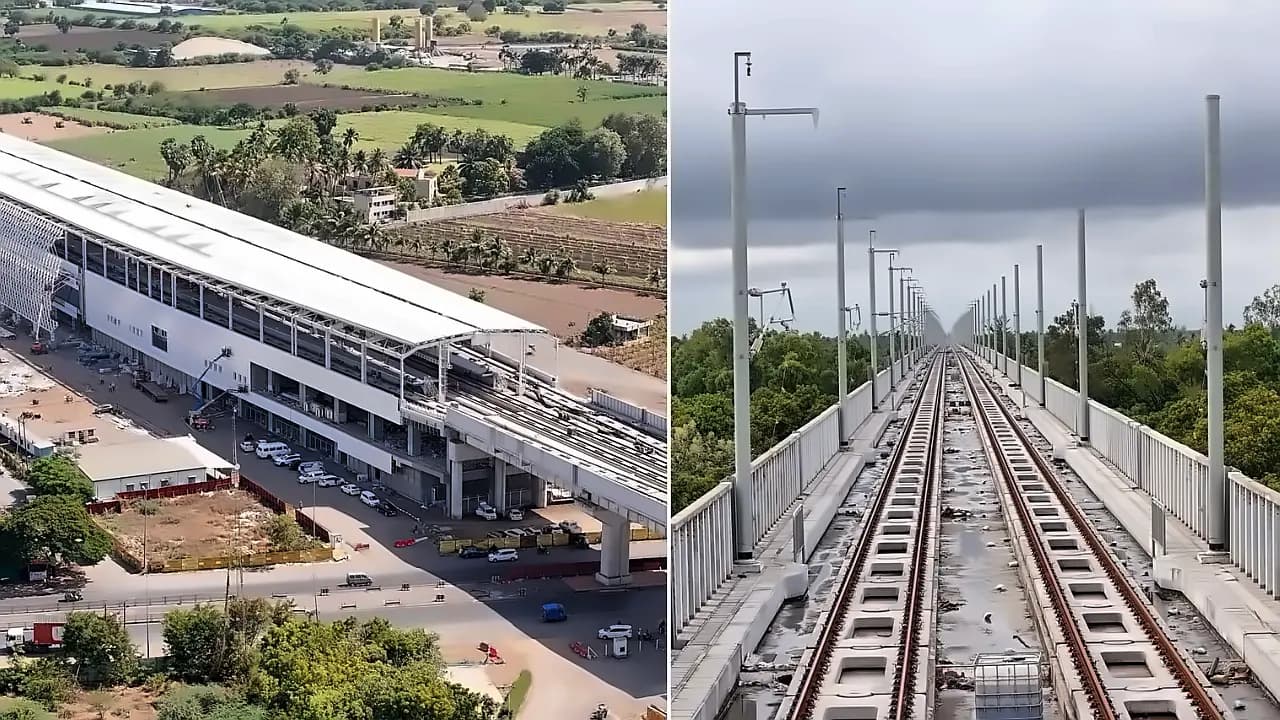
India has fundamentally altered its technological trajectory for high-speed rail by abandoning proprietary Japanese signalling systems in favor of an indigenously developed, open-source platform called the Bharat Train Control System (BTCS). According to The Economic Times, this policy pivot arose following critical delays in Japanese supply chains that threatened to derail the flagship Mumbai-Ahmedabad High-Speed Rail (MAHSR) project. The Mumbai-Ahmedabad bullet train, designed to run at 350 km/h, was originally tethered to Japan's Digital Automatic Train Control (DS-ATC) system, but structural supply issues crippled the original timeline.
Following nearly two years of fruitless procurement attempts, Japanese suppliers failed to submit workable proposals for the signalling systems or the operations control center within the required window. As reported by The Economic Times, Japan's proposal to supply the next-generation E10 bullet train collapsed upon timeline scrutiny, with the E10 series remaining under development in Japan with projected availability for Indian deployment stretched to 2034. Unwilling to delay the targeted August 2027 commercial launch of the Surat-Vapi section, the Indian Railway Ministry, in mutual agreement with the Japanese government, pivoted to domestic alternatives.
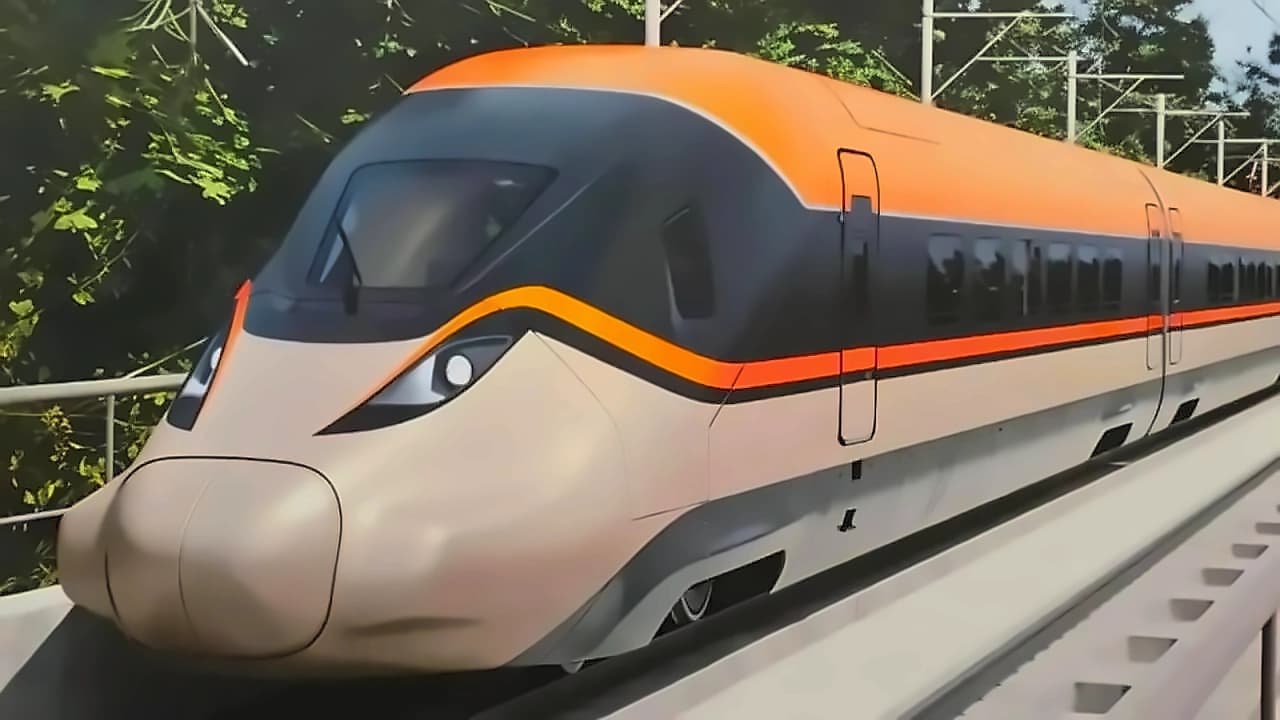
India is achieving new milestones in manufacturing with its first bullet train project after deciding to manufacture the high-speed train indigenously for the Mumbai-Ahmedabad bullet train corridor. As reported by The Economic Times, this represents a significant shift toward domestic manufacturing capabilities in the rail sector, with the 97-kilometer Surat-Vapi segment construction entering its final civil works phase this year. With the signalling crisis resolved, testing of the indigenously manufactured trainsets is scheduled to commence by mid-2027.
The technology pivot has sparked diplomatic friction, with former Japanese law minister Hideki Makihara publicly criticizing India's departure from exclusive Japanese tech. According to The Economic Times, Indian officials maintained that technical decisions are governed strictly by project viability, noting that Japanese experts remain actively involved in quality assurance and design oversight. The shift demonstrates that adopting globally interoperable, open-source standards breaks vendor lock-in, potentially offering African rail networks a highly competitive, climate-resilient alternative to current European and Chinese railway systems.