Oil India Limited's wholly-owned subsidiary Oil Green Energy Limited (OGEL) has signed four memoranda of understanding (MoUs) with four municipalities of Haryana for developing integrated waste-to-energy projects. According to reports from Business Standard, these plants will be located in Gurugram, Faridabad, Hisar and Ambala urban local body clusters and will collectively process 5,000 tonnes of municipal solid waste per day through scientific methods. The plants are expected to become operational by October 2028. Chief Minister Nayab Singh Saini hailed the move as a major step towards making the cities cleaner, healthier and more modern, as reported by Business Standard.
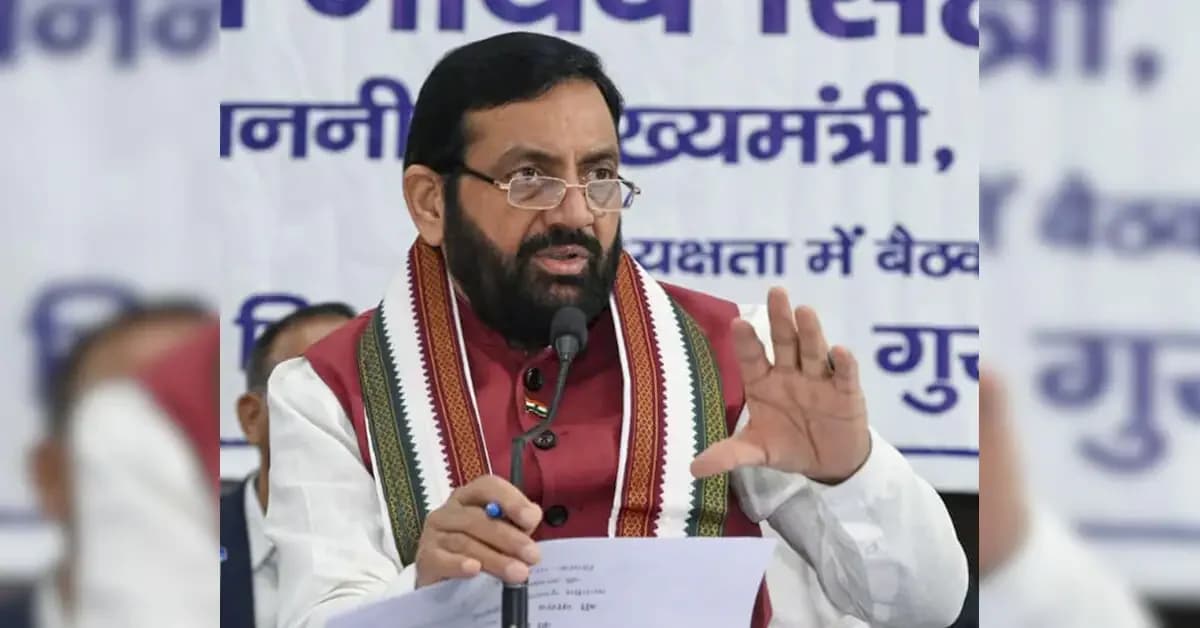
The updated initiative reveals that these waste-to-energy plants will generate a total of 70-75 tonnes per day of Compressed Biogas (CBG) along with 50 MW of green power. As reported by Business Standard, the plants will be established by Oil Green Energy Limited, a wholly-owned subsidiary of Oil India Limited. The initiative aligns with Prime Minister Narendra Modi's vision of 'waste to wealth' and represents a significant step towards strengthening urban waste management in Haryana. Chief Minister Saini emphasized that the Haryana government is moving forward with the same vision, citing Prime Minister Modi's inauguration of the 'waste to wealth' vision.
The projects envisage an integrated waste processing and resource-recovery approach that maximises resource recovery while optimising energy recovery from non-recyclable waste. According to Business Standard, municipal solid waste will undergo scientific pre-processing and segregation to maximise resource recovery. Recyclable material will be recovered, the wet and biodegradable fraction will be utilised for production of CBG, while only the non recyclable dry fraction will be utilised for generation of electricity through Waste-to Energy facilities. This integrated approach is aimed at maximising resource recovery, optimising energy recovery from non-recyclable waste and reducing dependence on landfilling, while converting different fractions of municipal waste into valuable clean energy in the form of CBG and green electricity.
The projects will receive financial assistance under the 'Urban Challenge Fund' of the Union Ministry of Housing and Urban Affairs. According to Business Standard, 25 per cent of the total capital cost will be borne by the Centre, another 25 per cent will be shared by the state government and urban local bodies, while the remaining 50 per cent will be invested by Oil Green Energy Limited. The plants will be established in accordance with the Solid Waste Management Rules 2026 notified by the Government of India. Chief Minister Saini expressed confidence that through collective efforts of all stakeholders, the waste-to-energy projects will move forward in a time-bound and effective manner.
Union minister Rao Inderjit Singh urged the state government to take waste disposal from Gurugram and other urban centres seriously and issue strict directives. As reported by Business Standard, he urged officials to ground the projects at the earliest so that the 'mountain of solid waste' at the Bandhwari landfill in Gurugram could be eliminated. The minister noted that an agreement had been previously signed for another waste-to-energy unit, but the project had failed to materialise, asserting that the same should not be repeated. Addressing the signing ceremony in Nuh on Saturday, Singh emphasized the urgency of addressing waste disposal issues across Haryana's urban centres.