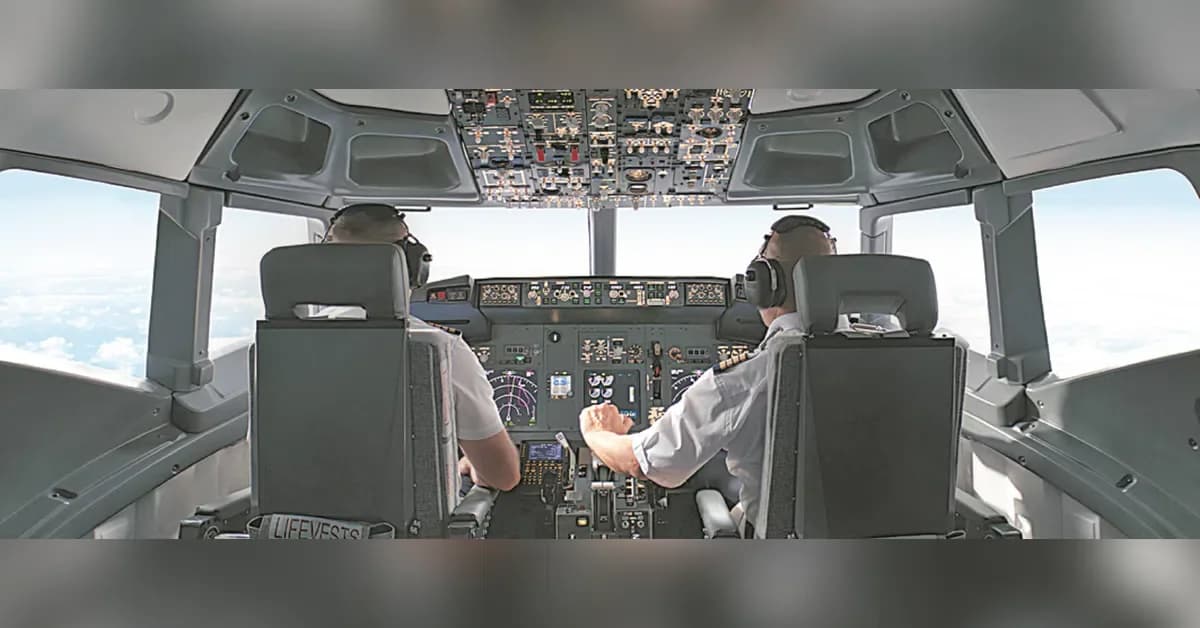
An Indian government panel has proposed a new pilot licence option that would shift more training into simulators and cut the time cadets spend flying real aircraft as it aims to ease a pilot shortage. According to an unpublished 19-page draft report dated June 3 reviewed by Reuters, the proposed Multi-Crew Pilot Licence (MPL) would allow cadets to complete 100 to 120 hours in training aircraft, including at least 20 hours solo, compared with at least 200 hours under India's existing rules. Much of the remaining practical training would be conducted in commercial jet simulators under an alternative route that may shorten timeline for cadets. The MPL was introduced by the U.N.'s International Civil Aviation Organization in 2006 and has been adopted by many countries in Europe, Asia and the Middle East in addition to traditional pilot-training pathways. India is now considering the licence to build a more predictable pipeline of junior pilots trained for individual carriers as airlines expand their fleets.
India faces a severe pilot shortage, with its largest airline, IndiGo, having just 7.6 pilots per narrowbody plane, well below the global average of around 10. As reported by Reuters, IndiGo in December cancelled thousands of flights after it failed to plan adequately for new rules limiting pilots' working hours, leaving it short of pilots. The MPL, used for co-pilot hires at carriers including Qatar Airways and Europe's easyJet, is less portable between airlines in the early stages of a pilot's career and could help ease Indian carriers' turnover concerns. The government proposal said greater reliance on simulators could 'lower operational risk' while giving cadets more focused practice in handling critical and emergency situations.
The report was prepared by a committee headed by a senior official of India's aviation regulator that included representatives from IndiGo, Air India and flight-training organisations. Airlines have been asked to respond to the plan, after which the committee is likely to submit a final report to the head of the regulator. According to Reuters, IndiGo backed the pilot licensing proposal during consultations in August, with Ashim Mittra, the airline's senior vice president of flight operations, writing that MPL was needed to 'support the growth of aviation whilst ensuring safety as the bedrock.' The government panel's draft report stated that if implemented with strong regulatory oversight and industry collaboration, the new licensing route can reduce manpower shortages. IndiGo, Air India and the Directorate General of Civil Aviation did not respond to requests for comment on the latest developments.
The Association of Flight Training Organisations has raised concerns about the proposed changes, stating that cutting time in real aircraft could weaken cadets' hands-on flying skills and judgement in unexpected situations. The group has asked the regulator to mandate at least 150 hours in actual aircraft, instead of the 100 to 120 hours proposed in the draft, as reported by Reuters. The draft report itself acknowledged that some pilots could have 'weaker hands-on flying instincts and less confidence handling unexpected situations independently.' However, the government proposal emphasized that the option does not reduce training rigor and only redistributes training emphasis toward structured simulation, stating it should not be 'misunderstood as a shortcut due to lower aircraft flight hours.'