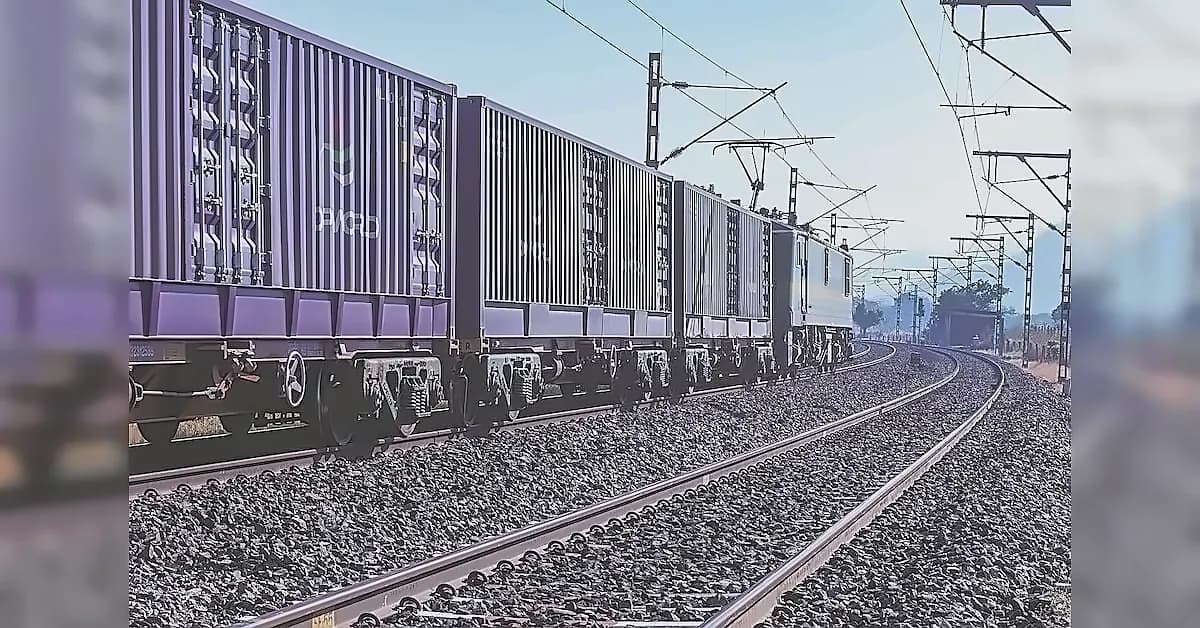
Indian Railways recorded a 5.4% year-on-year increase in freight traffic, reaching 137.9 million tonnes in August 2026, compared with 130.9 million tonnes in the same month last year, according to the Ministry of Railways. Railway Minister Ashwini Vaishnaw highlighted that this growth reflects expanding demand from key sectors including coal, iron ore, steel, fertilisers and other commodities. The railways noted that higher rail freight movement supports industries' access to reliable transportation while facilitating movement of essential commodities across regions. Freight revenue also increased by 6.27% year-on-year during the month, demonstrating strong commercial performance alongside volume growth.
As reported by the Ministry of Railways, specific commodity segments showed strong growth during August 2026. Iron ore loading increased by 12.1%, while clinker volumes grew by 10.4%. Domestic containers saw a 9.2% increase, coal transportation rose 6%, and finished steel loading grew 4.9%. Mineral oil transport increased 3.1%, fertilisers grew 1.6%, and other goods recorded an 8.2% increase. The increase in freight movement is expected to strengthen rail-based supply chains for industries and improve the movement of essential commodities, raw materials and finished goods across regions. The railway emphasized that increased container movement supports more efficient transportation of diverse goods through the rail network.
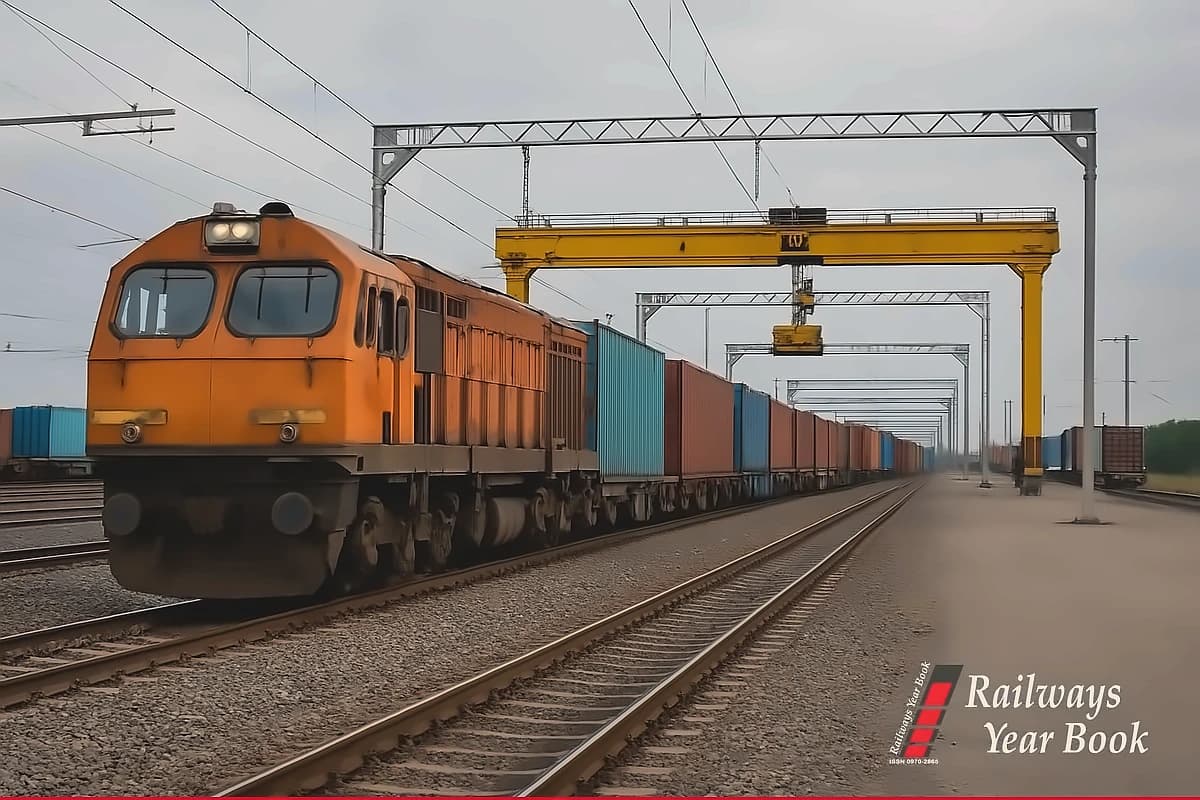
The railways commissioned five new Gati Shakti Cargo Terminals during August 2026, bringing the total number of these dedicated cargo terminals to 149, as reported by the Ministry of Railways. The new terminals are strategically located at Shivlakha in Gujarat, Nalli in Tamil Nadu, Shaktinagar in Uttar Pradesh, Deoragram in Madhya Pradesh and Brajrajnagar in Odisha. These terminals are aimed at bringing freight-handling facilities closer to production and consumption centres and improving the efficiency of cargo movement. The railway stated that the expansion of the Gati Shakti Cargo Terminal network brings freight-handling facilities closer to production and consumption centres, enabling more direct and efficient handling of goods and reducing avoidable movement while improving logistics efficiency.
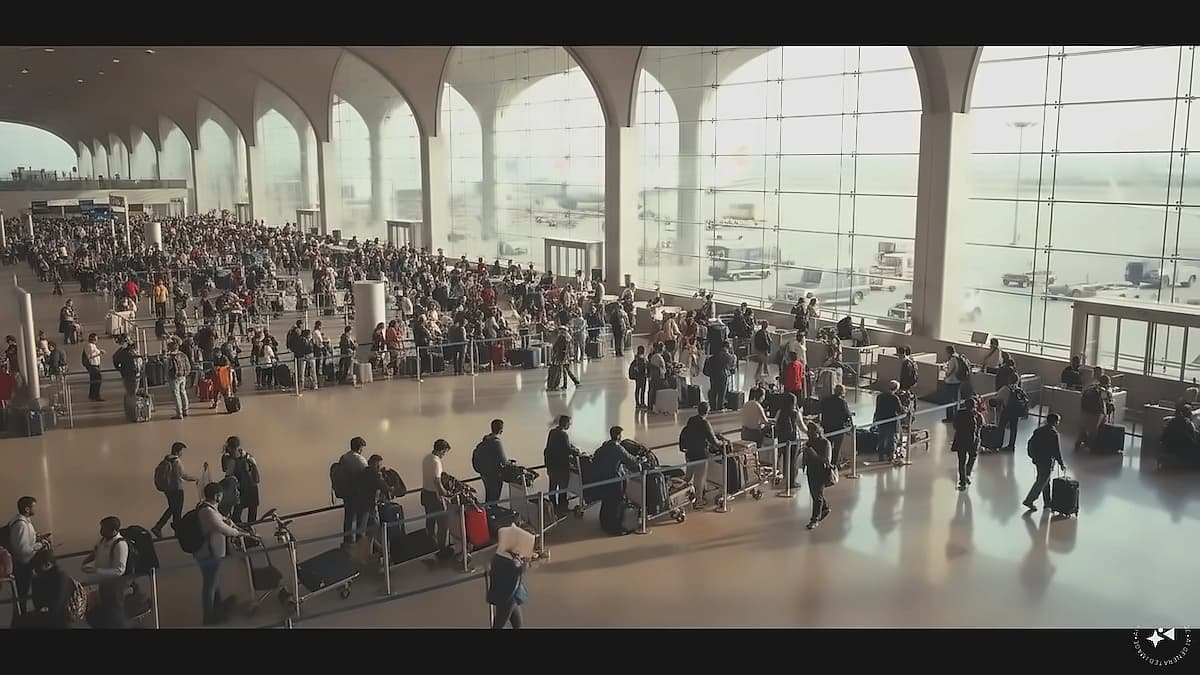
Indian Railways carried 67.27 crore passengers in August 2026, compared with 64.43 crore in August 2025, according to the Ministry of Railways. Suburban passenger traffic registered particularly strong growth of 9.02%, rising to 38.01 crore passengers from 34.89 crore a year earlier. The increased passenger demand during the festival season prompted Indian Railways to operate 144 trips of Rakshabandhan Special trains between August 25 and 31, 2026, compared to 48 trips operated between August 8 and 14, 2025. The railway expanded regular passenger connectivity by regularising 14 Amrit Bharat services, taking the total number of Amrit Bharat services to 86. These services connect major cities and regions including Uttar Pradesh, Bihar, Gujarat, Maharashtra and Tamil Nadu, with routes such as Gorakhpur–Bandra Terminus, Ahmedabad–Bhagalpur, and Prayagraj Junction–Udhna Junction.