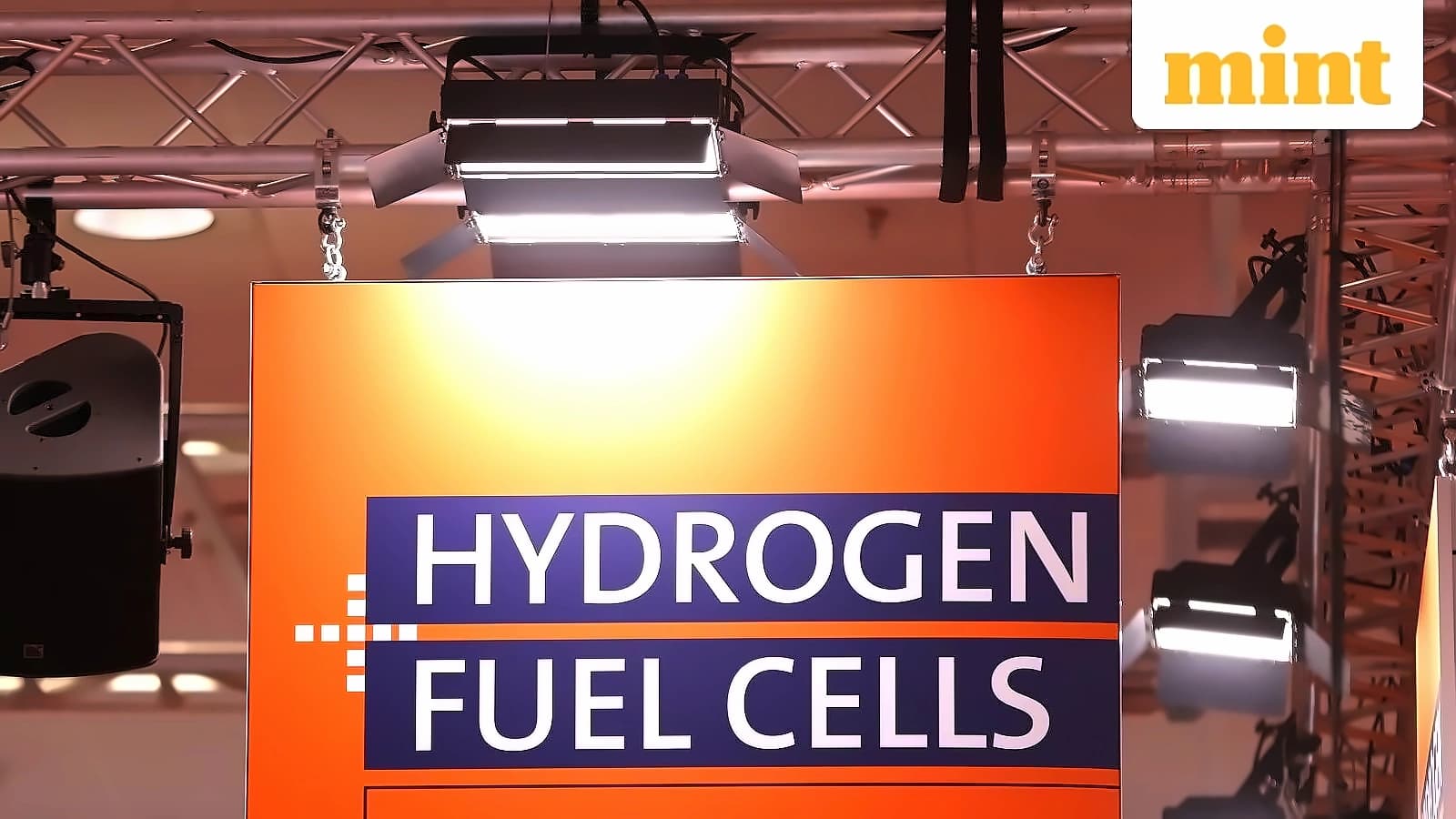
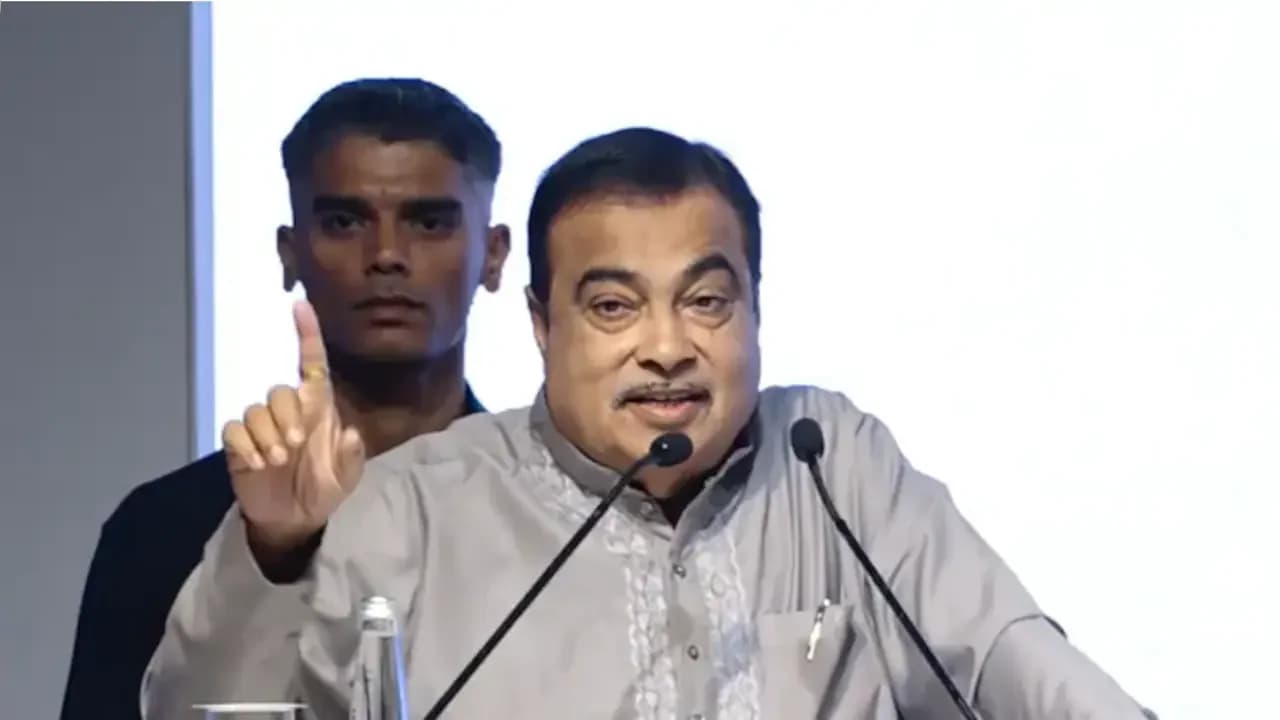
Union Minister Nitin Gadkari announced that the government is conducting trials on 10 routes across the country for hydrogen fuel usage in transportation. Addressing the Prawaas 5.0 and Bharat Prawaas Awards event in Gandhinagar, Gadkari emphasized that hydrogen is the fuel of the future and the transportation industry's future lies in hydrogen. The trials are underway on Greater Noida-Delhi-Agra, Bhubaneshwar-Konark-Puri, Ahmedabad-Vadodara-Surat, Sahibabad-Faridabad-Delhi, Pune-Mumbai via the Mumbai-Pune Expressway, Jamshedpur-Kalinga Nagar, Thiruvananthapuram-Kochi, Kochi-Edappally, Jamnagar-Ahmedabad and NH-16 Visakhapatnam-Bayyavaram routes. The Union Minister of Road Transport and Highways stated that hydrogen trials are part of the government's efforts to promote cleaner mobility solutions alongside alternative fuels and biofuels. Hydrogen refuelling stations have been planned at strategic locations, including Greater Noida, Bhubaneswar, Vadodara, Faridabad, Rajkot, Kochi, Thiruvananthapuram and Voyyuru to support these trials.
Gadkari highlighted the significant growth in India's automobile industry, stating that from ₹14 lakh crore and 7th rank globally when he took over, the industry is today 3rd in the world with size growing to ₹22 lakh crore. As reported by Upstox News Desk, he emphasized that the industry has created 4.5 crore jobs and provides the highest revenue to state and central governments. However, he drew attention to safety concerns, noting that the country witnesses 5 lakh accidents and 1.80 lakh deaths every year, with 66 per cent of those dying belonging to 18-36 age group, causing 3 per cent GDP loss. Clean transport has become a national priority as the transport sector accounts for around 40 per cent of the country's air pollution, making it necessary to adopt technologies that are pollution-free, cost-effective and based on indigenous resources. Gadkari praised the automobile industry, noting that two-wheeler manufacturers in India are able to sell 50 per cent of their products abroad, highlighting the sector's global competitiveness.
The minister highlighted a significant gap in bus manufacturing, stating that against the requirement of three lakh buses, manufacturers are able to achieve only 70-80,000 units. According to Upstox News Desk, Gadkari urged the industry to increase productivity three-times more to meet the country's transportation needs. He emphasized that the duty of manufacturers is to give more comfort with reasonable economic value and called for development of buses with world-standard technology. He also urged electric bus manufacturers to pass on the benefits of reduced lithium-ion battery costs to consumers, noting that the cost of power for charging at ₹20 is high and his ministry is working to reduce it for buses, trucks and cars.
Gadkari announced several initiatives to support the automobile industry, including the introduction of the revised bus body code in September last year to make buses safer. As reported by Upstox News Desk, his ministry has decided to ease procedures for bus body manufacturers by reducing testing charges by 50% and processing timeline from 16 weeks to 6 weeks. The ministry is also working on constructing private busports and green express highways to reduce travel time and increase turnover for the transportation industry. Future public transport systems must combine cleaner fuels with better passenger services, with Gadkari emphasizing that timely service and last-mile connectivity are very crucial for achieving world-class technology standards.