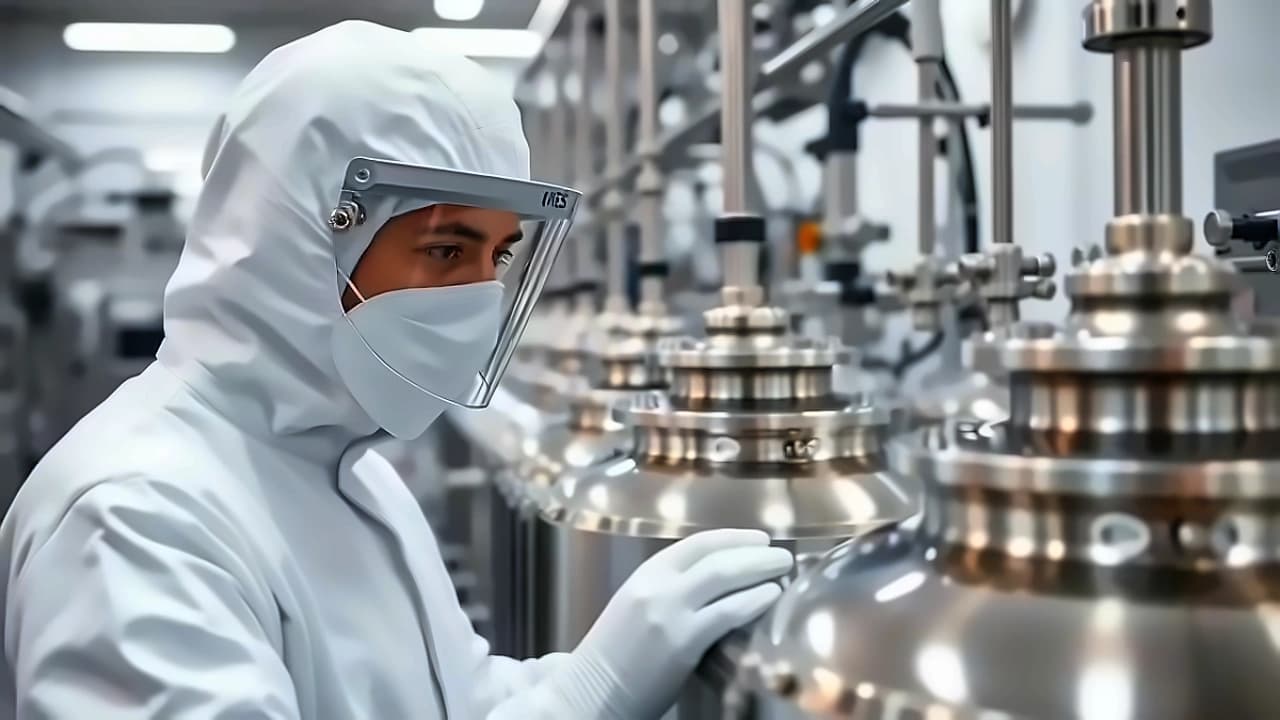
The Bureau of Indian Standards (BIS) has notified an updated Indian Standard establishing laboratory methods to measure impurities in hydrogen supplied to Proton Exchange Membrane (PEM) fuel-cell vehicles. According to reports from Mint, this voluntary standard provides a common technical framework for laboratories, hydrogen producers, vehicle manufacturers and testing agencies as India builds its hydrogen ecosystem under the National Green Hydrogen Mission. The standard specifies analytical methods for measuring impurities in hydrogen that could reduce fuel-cell efficiency and shorten component life, including carbon monoxide, sulphur compounds, ammonia, halogenated compounds and moisture.
As reported by Mint, the newly notified norms specify analytical methods for measuring impurities in hydrogen supplied to PEM fuel-cell vehicles, which generate electricity on board by combining hydrogen with oxygen from the air. Unlike conventional internal combustion engines, fuel-cell systems are highly sensitive to fuel quality, with even trace quantities of contaminants affecting performance. The standard prescribes validated laboratory methods to detect and quantify these impurities before hydrogen is supplied for use, ensuring hydrogen meets consistent quality benchmarks for clean mobility applications.
India's National Green Hydrogen Mission, launched in January 2023, aims to position the country as a global hub for green hydrogen production, use and export. According to Mint reports, by 2030, the mission targets annual production capacity of at least 5 million tonnes of green hydrogen, supported by around 125GW of additional renewable energy capacity. The updated standards are expected to be relevant to hydrogen producers and suppliers, testing laboratories, vehicle manufacturers, fuel-cell developers and certification bodies as the country advances towards cleaner energy systems and hydrogen mobility development.
As reported by Mint, Manish Dabkara, chairman and managing director of EKI Energy Services and president of Carbon Markets Association of India, emphasized that clear thresholds provide buyers and regulators with common references for verifiable climate outcomes. Piyush Goyal, co-founder and CEO of Volks Energie, stated that standards and quality assurance would be critical as hydrogen and energy storage become part of India's decarbonising power system. Industry experts noted that hydrogen has a role in decarbonising sectors including steel, refining, fertilizer and long-haul transport, but this depends on consistent quality and safety benchmarks.
According to Mint reports, Harjeet Singh, founding director of Satat Sampada Climate Foundation, cautioned against letting political momentum around green hydrogen outpace scientific and economic scrutiny. Singh emphasized that India should avoid repeating mistakes from the early biofuel rollout, where supply-chain bottlenecks and miscalculations around lifecycle emissions limited impact. Industry experts noted that while hydrogen holds immense promise for hard-to-abate sectors, the push faces concerns over the economics and infrastructure needed to scale the fuel, requiring rigorous analysis of efficiency data and safety protocols to ensure true energy security.