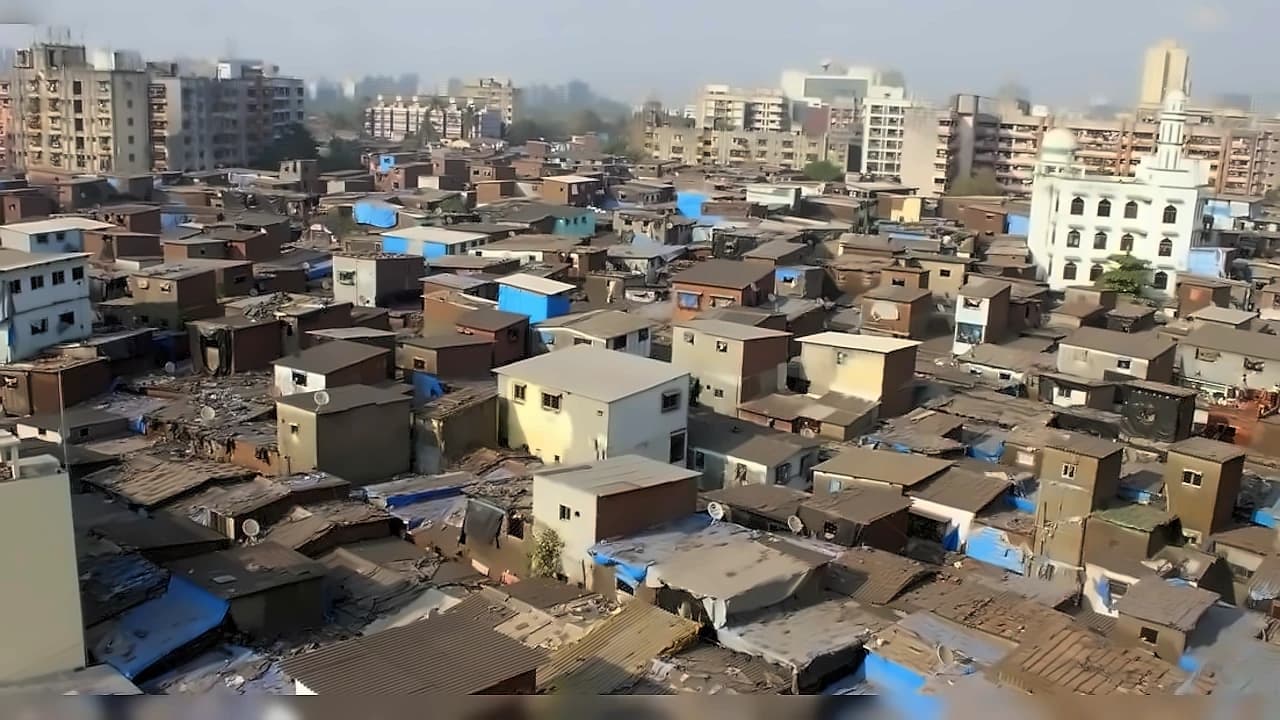
The Maharashtra government has stepped up land consolidation efforts for the Dharavi Redevelopment Project, with state agencies initiating the process of terminating property leases within the Dharavi Notified Area (DNA). According to Business Standard, Maharashtra Housing and Area Development Authority (Mhada) has issued showcause notices to the Mahatma Phule Education Trust for a 5,500 square metre playground, citing alleged violations of the lease agreement's terms and conditions. The notices were issued in June 2026, with sources confirming the action is part of the land aggregation exercise for the project. Brihanmumbai Municipal Corporation (BMC) has begun issuing lease termination notices to cooperative housing societies, with SK Iyer, Dharavi Cooperative Housing Society, Bai Amba Bai, Mukund CHS, and Mahatma Gandhi CHS among the first five societies to receive notices.
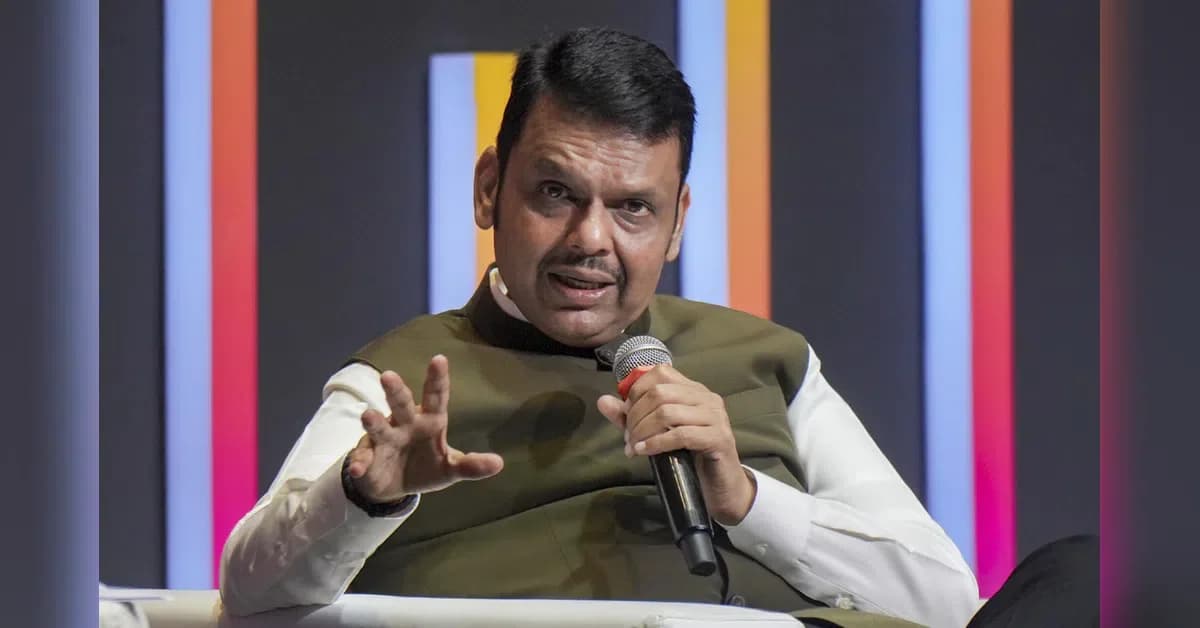
The government has expanded the rehabilitation framework to include eligible residents of non-slum buildings, who will receive either a minimum of 500 square feet of rehabilitation home or 1.35 times their existing carpet area, whichever is higher. As reported by Business Standard, residents who settled before 2000 will receive free 350 sq. ft. homes within Dharavi, while those who settled between 2000 and 2011 will be given homes within Dharavi at a highly subsidised cost of ₹2.5 lakh. Government officials confirmed that lease cancellations would not affect rehabilitation rights, with eligible residents continuing to receive benefits under the applicable DRP/SRA policy, including transit accommodation or rental support during redevelopment. DRP secretary Vipin Paliwal emphasised that the government is working to ensure the project moves ahead on schedule while making the transition as smooth as possible for residents through advance planning.
The Dharavi Redevelopment Project represents the country's largest slum redevelopment initiative, estimated to rehabilitate around 72,000 residential and commercial tenants at a cost of over ₹95,790 crore. As per Business Standard, the project covers nearly 600 acres in central Mumbai and seeks to redevelop residential, commercial and industrial areas while rehabilitating eligible residents. The project commenced in January 2025 and envisages around 95 million square feet of rehabilitation construction and approximately 130 million square feet of commercial development. First phase of approximately 10,000 houses will be completed within 18 months, with Chief Minister Devendra Fadnavis targeting the programme to hand over keys to 10,000 homes in the next one and a half years.
Describing Dharavi as a future economic hub for Mumbai, Fadnavis said the redevelopment would help integrate informal economic activities into the formal sector while creating improved infrastructure for residents and businesses. Commercial establishments operating in Dharavi will also be redeveloped under the project. The Chief Minister announced that local businesses will be resettled locally and granted a GST concession for the first five years. The project aims to transform Asia's largest slum into a modern, transit-oriented hub that integrates housing, commercial activity and employment generation. Recognising Dharavi as a global small-scale industrial powerhouse, the blueprint ensures it transforms into a formalised, modern industrial hub rather than merely a housing township.
Legal experts have analysed the land consolidation process, with Murtaza Kachwalla from CMS INDUSLAW noting that where a government lease contains a resumption clause, authorities may have contractual rights to terminate leases for public purpose requirements. Vishal Gehrana from Karanjawala & Co highlighted that the Mhada notice relies on two distinct grounds - alleged breach of lease conditions and government's power to resume land for public purpose, each requiring independent legal satisfaction. Rahul Hingmire from Vis Legis Law Practice emphasised that leasehold rights and rehabilitation rights are legally distinct, with eligible residents continuing to enjoy rehabilitation benefits even if leases are terminated. Legal experts suggest potential litigation may delay specific land parcels but is unlikely to stall the project as a whole, as long as there are no serious legal infirmities in government actions.