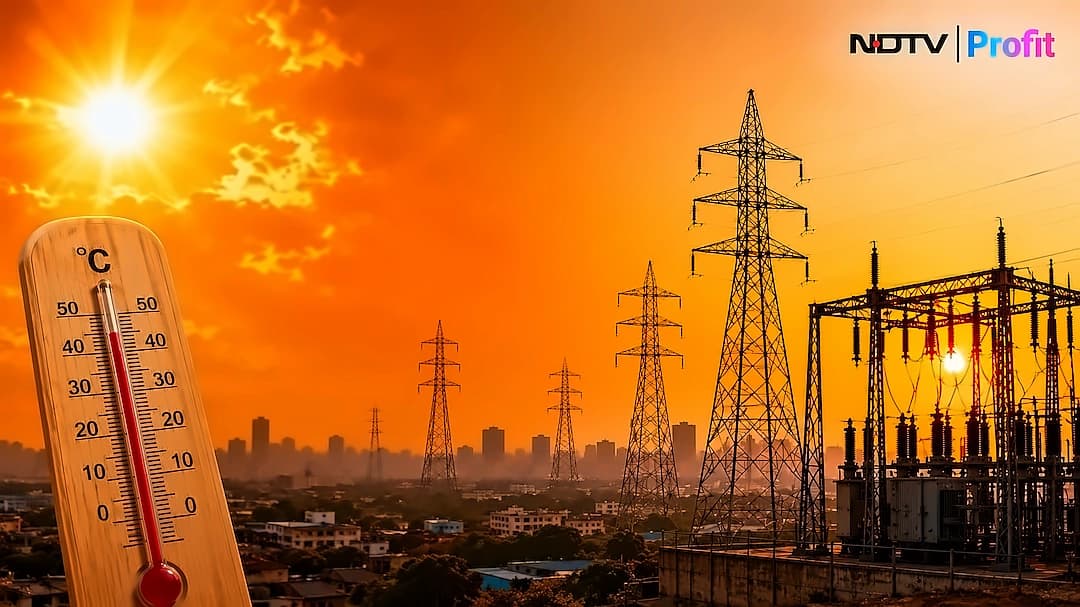
Delhi's electricity demand reached an unprecedented 8,439 MW on May 25, 2026, marking the highest monthly peak ever recorded for the national capital. According to latest data from the State Load Dispatch Centre (SLDC), the city crossed the 8,000 MW demand mark four times within just six days, highlighting the sharp spike in consumption during the early phase of summer itself. This represents a significant increase from the city's peak power demand during the entire month of May 2025, which never crossed 8,000 MW and stood at 7,748 MW. The latest peak surpassed earlier May peaks of 8,231 MW on May 21 and 8,039 MW on May 20, demonstrating the sustained nature of the heatwave's impact on power consumption. An official noted that the latest power demand was significantly higher than previous years, with the highest demand recorded in May 2024 being 8,302 MW.
Officials reported that electricity demand in May 2026 has remained higher than corresponding 2025 levels on 20 out of 25 days recorded so far, indicating a sustained increase in consumption patterns across the capital. The surge in power demand reflects the growing strain on the city's power infrastructure amid soaring temperatures and rising dependence on cooling appliances. Data from the SLDC shows that Delhi's peak power demand has been higher than the corresponding days of 2025 on around 80% of the days and higher than 2024 on around 72% of the days. Despite the unprecedented load, power distribution companies reported no major outages in BSES-operated areas and said supply remained stable during peak hours.
Power distribution companies demonstrated strong performance in meeting the record demand. BSES discoms — BRPL and BYPL — met loads of 3,745 MW and 1,820 MW, respectively, while Tata Power-DDL met its peak demand of 2,416 MW in its area of operation. Both companies sourced significant amounts of green power, with BSES procuring 2,670 MW and Tata Power-DDL sourcing 1,115 MW of renewable energy. BSES has prepared for peak demand through long-term power purchase agreements, bilateral tie-ups, banking arrangements with other states and deployment of AI- and ML-based demand forecasting, planning to meet such demand through day-ahead and week-ahead power markets.
The Delhi government has significantly expanded its heatwave response measures this week, with 14 cooling zones currently operational across the city including five each in Old Delhi and East Delhi, and one each in North East, North, Central and Central North districts. Officials confirmed that similar facilities will be started in the remaining districts this week. The government's relief campaign, which ran from May 6 to May 23, reached lakhs of people across all 13 districts with immediate assistance. According to government figures, the campaign distributed 1,13,900 litres of cold drinking water, more than one lakh ORS packets, 44,646 gamchas and 30,864 caps. The highest outreach was recorded in North East, East, South West and New Delhi districts, with the campaign specifically targeting labourers and other vulnerable groups exposed to extreme heat.