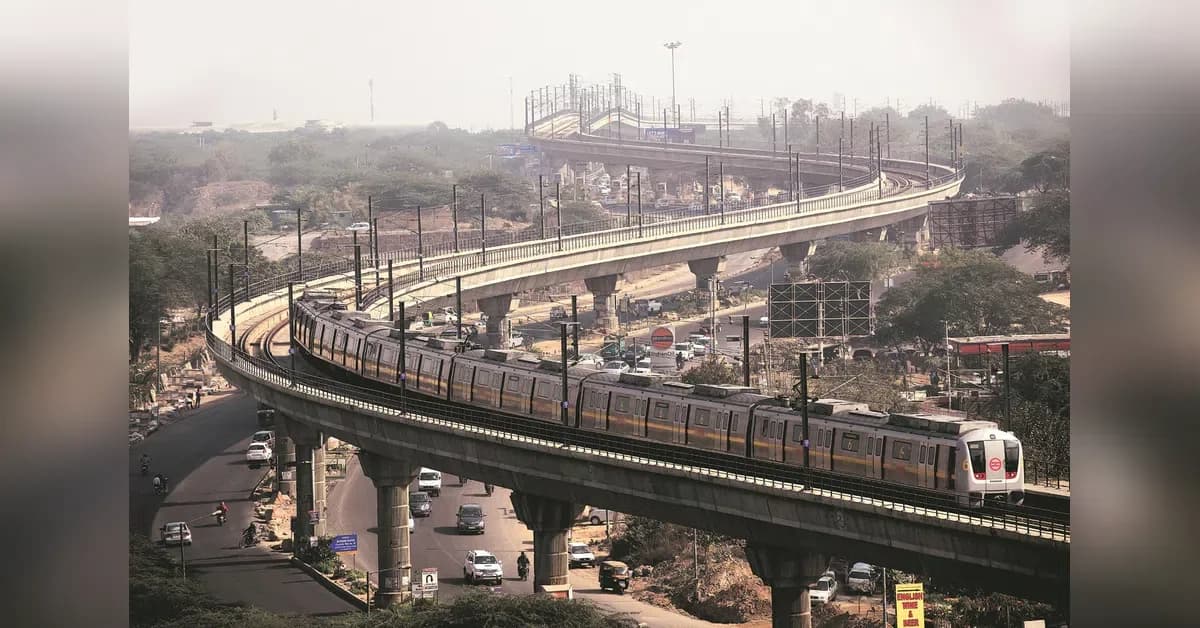
The Delhi government has announced plans to construct an approximately 61-kilometre elevated corridor along the Najafgarh drain, connecting Wazirabad to North Delhi. According to reports from Business Standard, the Public Works Department (PWD) plans to hire a private consultant to conduct a feasibility study and prepare a project plan for this ambitious infrastructure project. As reported by ETInfra, the government announced the project in February this year, with the PWD now actively planning the consultant hiring process to move forward with feasibility studies before project implementation. As per The Times of India, officials confirmed that the project involves an approximately 61-kilometre corridor and is intended to improve movement on major roads across the city.
As reported by Business Standard, the project will involve developing roads from Chhawla to Basaidarapur along both sides of the drain over a length of 27.415 kilometres, totalling 54.83 kilometres across both banks. Additionally, a 5.94-kilometre two-lane road will be constructed on the left bank from Jhatikra Bridge to Chhawla Bridge. The corridor will feature a paved road approximately 61 kilometres long and 7 metres wide, with separate tracks for walking, jogging and cycling. According to the latest project plan, the corridor is being planned as a multi-use corridor aimed at easing congestion and improving connectivity along the Najafgarh drain. As reported by ETInfra, the project will include landscaping and tree plantation along the corridor, with new boundary walls constructed and damaged walls repaired where required, along with a new bridge near the Dwarka Metro Depot to help smoother movement.

According to Business Standard reports, the total cost of the project is estimated at ₹454 crore. The government announced the project in February this year, with the PWD now actively planning the consultant hiring process to move forward with feasibility studies before project implementation. As confirmed by PWD officials, the project is being planned as a multi-use corridor aimed at easing congestion and improving connectivity along the Najafgarh drain.
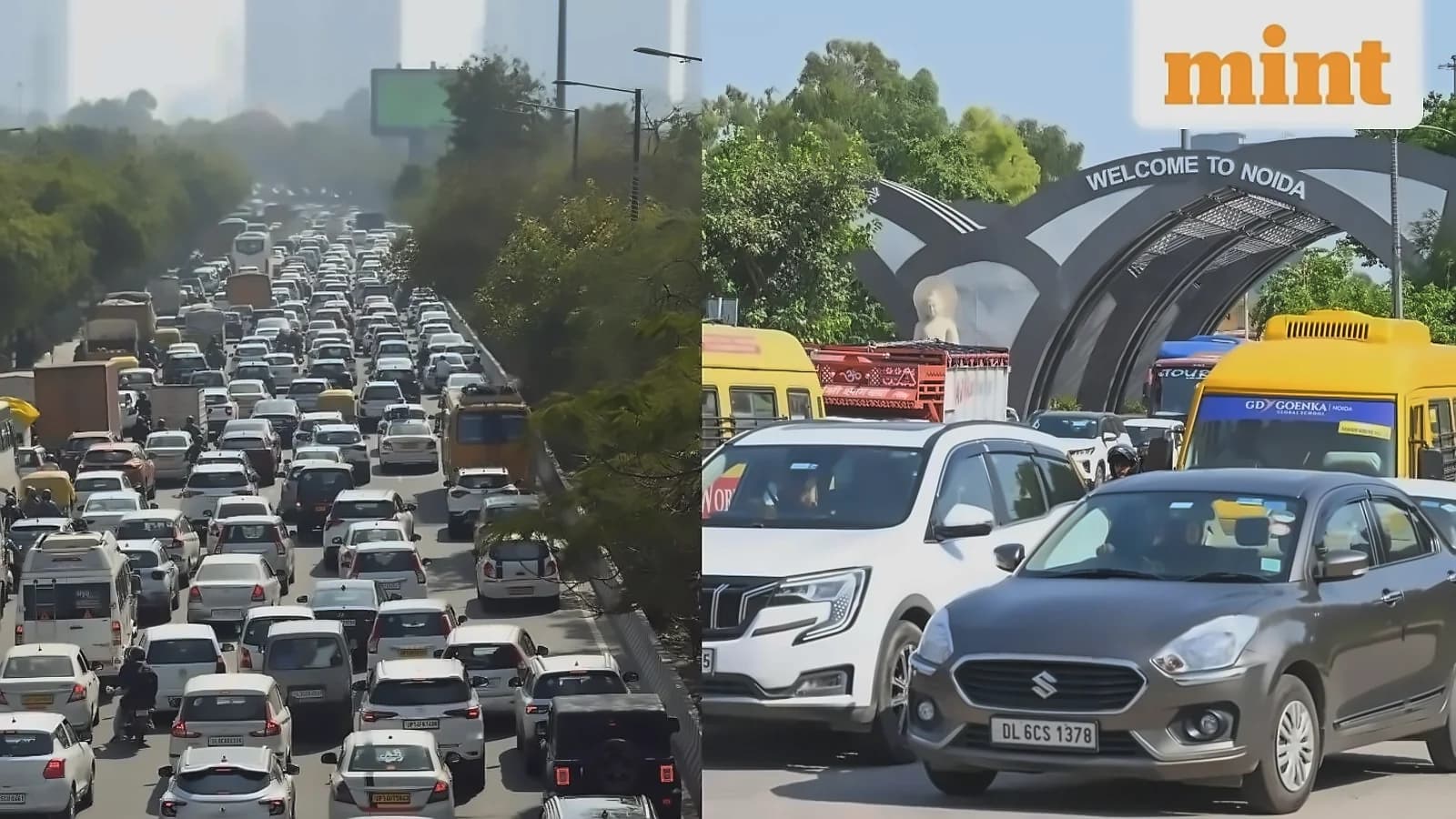
As reported by Business Standard, the primary objective of the project is to reduce congestion on major roads and cut travel time and fuel consumption, while lowering vehicular emissions. The corridor will provide inter-connectivity with major roads including Outer Ring Road, Inner Ring Road, Shivaji Marg, Pankha Road, UER-II connecting to NH-9 Rohtak Road, Najafgarh Road and other key routes. According to ETInfra, the stretch is heavily congested due to a mix of slow-moving vehicles and cross movements during peak and non-peak hours, causing heavy traffic. The project is expected to reduce travel time, fuel consumption and vehicular emissions, while also improving links with key roads across the city. As reported by The Times of India, the project plan includes landscaping and tree plantation along the corridor, with new boundary walls constructed and damaged walls repaired where required, along with a new bridge near the Dwarka Metro Depot to help smoother movement.
According to Business Standard, the project will include landscaping and tree plantation along the corridor, with new boundary walls constructed and damaged walls repaired where required. A new bridge will be constructed near the Dwarka Metro Depot to facilitate smoother movement. At certain junctions along the proposed corridor alignment, Delhi Metro rail corridors will be part of the study, ensuring comprehensive transportation integration. As reported by ETInfra, at a few junctions along the proposed corridor alignment, Delhi Metro rail corridors will be part of the study, with the project plan specifically mentioning this integration. The government announced the project in February this year, with the PWD now actively planning the consultant hiring process to move forward with feasibility studies before project implementation.