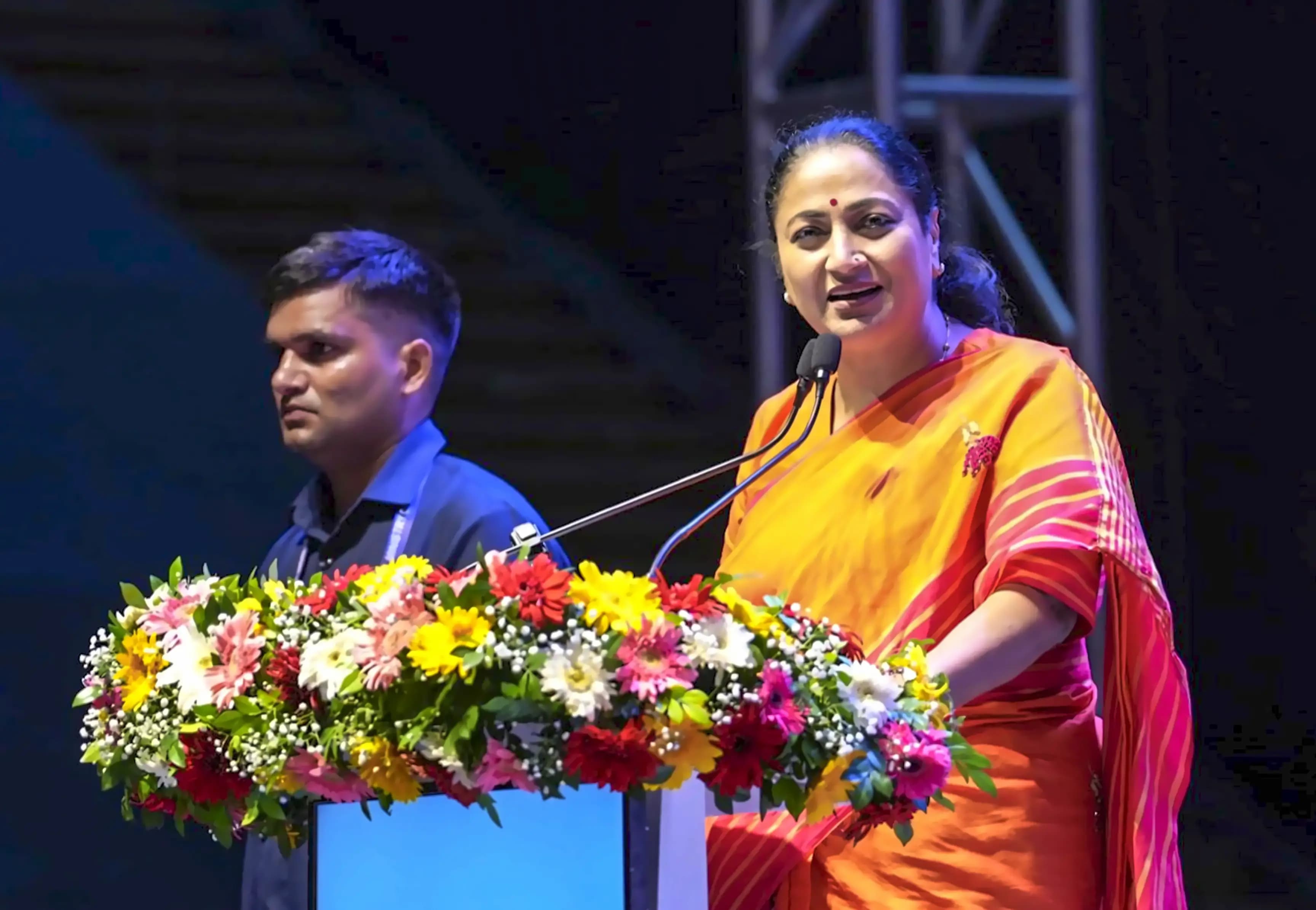
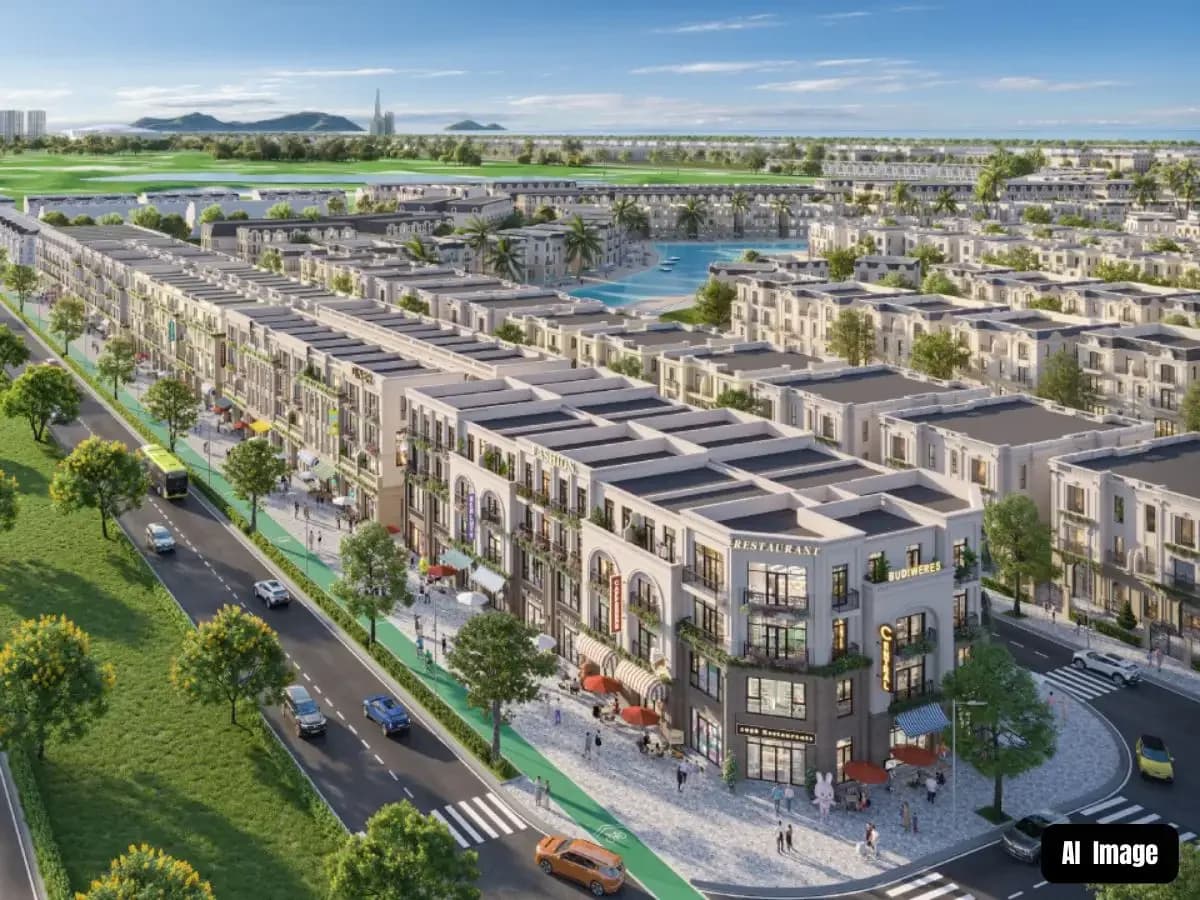
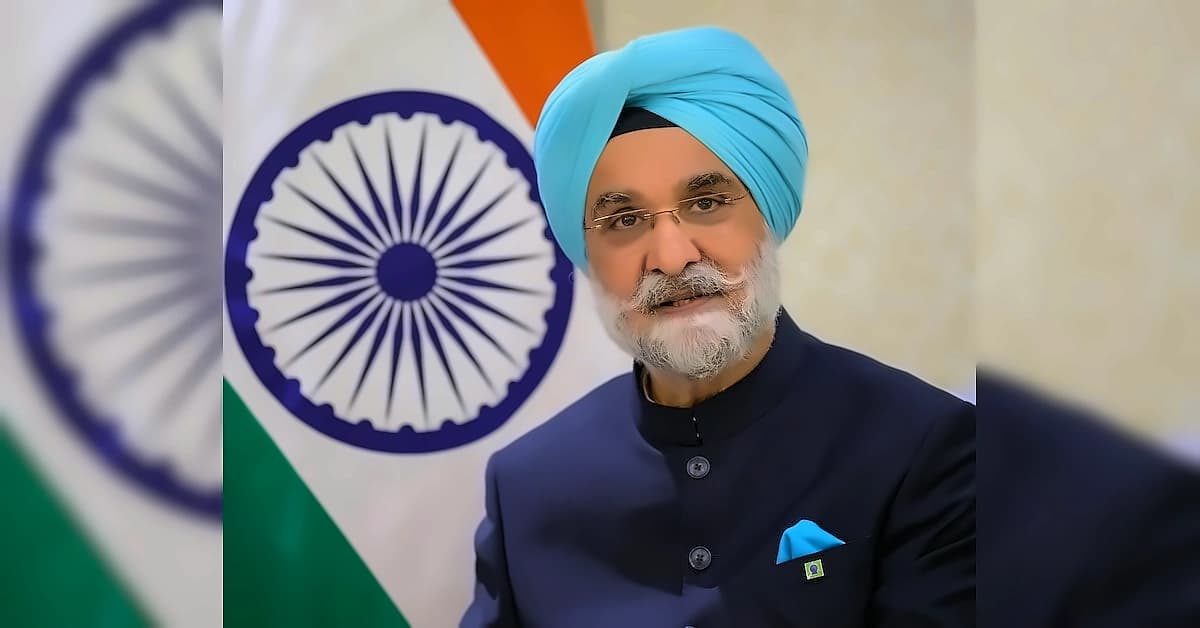
The Delhi Development Authority (DDA) has unveiled an eight-point development programme to transform Delhi into a sustainable and green city, with a focus on affordable housing, mobility, environment and heritage conservation. According to reports from Business Standard, the roadmap was discussed at a recent meeting of the DDA's advisory council chaired by Lieutenant Governor Taranjit Singh Sandhu, which reviewed gaps in the demand and supply of affordable housing, proliferation of slums and Jhuggi Jhopri clusters, and long-pending regularisation and redevelopment of unauthorised colonies. The council adopted a four-pillar roadmap aimed at building a sustainable, green and liveable Delhi, with the Lieutenant Governor stressing the need for planned growth across housing, mobility, environment and heritage. As officials outlined, the vision emphasises environmental sustainability with efforts focused on increasing Delhi's per capita green cover, developing vibrant riverfronts and creating an interconnected network of green and blue infrastructure across the city.
The council adopted a four-pillar roadmap aimed at building a sustainable, green and liveable Delhi, with the Lieutenant Governor emphasising the need for planned urban growth centred on housing, mobility, environment and heritage. According to officials, the meeting examined pressing issues affecting the city, such as traffic congestion, air pollution, urban flooding, rising heat island effects, redevelopment of existing neighbourhoods, planned growth in land pooling and low-density zones, deteriorating heritage structures and water scarcity. Critical issues like deterioration of heritage structures and water scarcity that need immediate intervention were also discussed. The meeting flagged key urban challenges including the widening gap between demand and supply of affordable housing, proliferation of slums and Jhuggi Jhopri clusters, their relocation and rehabilitation, and the long-pending regularisation and redevelopment of unauthorised colonies.
On environmental sustainability, the focus will be on achieving the highest per capita green cover in the country, developing vibrant riverfronts, and creating an interconnected green and blue infrastructure network across the city. According to Business Standard, for good quality living, the emphasis will be on strengthening disaster resilience, ensuring water security, and making roads safer for all users. To strengthen Delhi's economic and cultural identity, the plan envisages reviving business and trade by developing and redeveloping commercial markets and centres, creating modern logistics hubs, and leveraging the city's heritage as both an economic and cultural asset. The plan proposes the redevelopment of commercial markets and business centres, the creation of modern logistics hubs and the conservation of the city's rich heritage as an economic as well as cultural asset.
To operationalise the vision, the council was apprised of development plans across the city, including Transit Oriented Development covering 207 square kilometres, while more than 200 sq km has been earmarked under Land Pooling Areas for planned expansion. As reported by Business Standard, developed residential areas currently span about 700 sq km, while low-density zones cover 150 sq km. A riverfront development project in Zone-O covering 100 sq km is also underway, with the redevelopment of the Old City planned over 24 sq km, the Bungalow Zone extending across 31 sq km, and a 20 sq km High Density Corridor identified to channel growth along major transit routes. The DDA plans to redevelop the 24 sq km Old City area, while the Bungalow Zone spans 31 sq km.