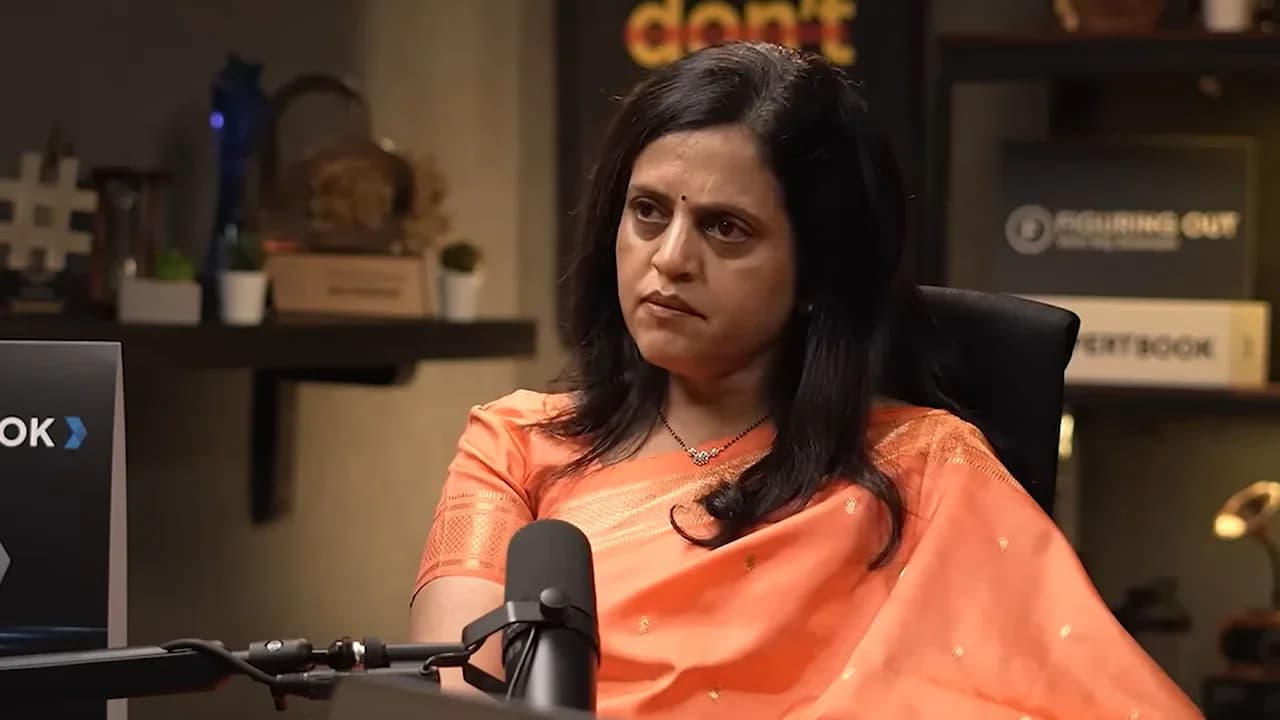
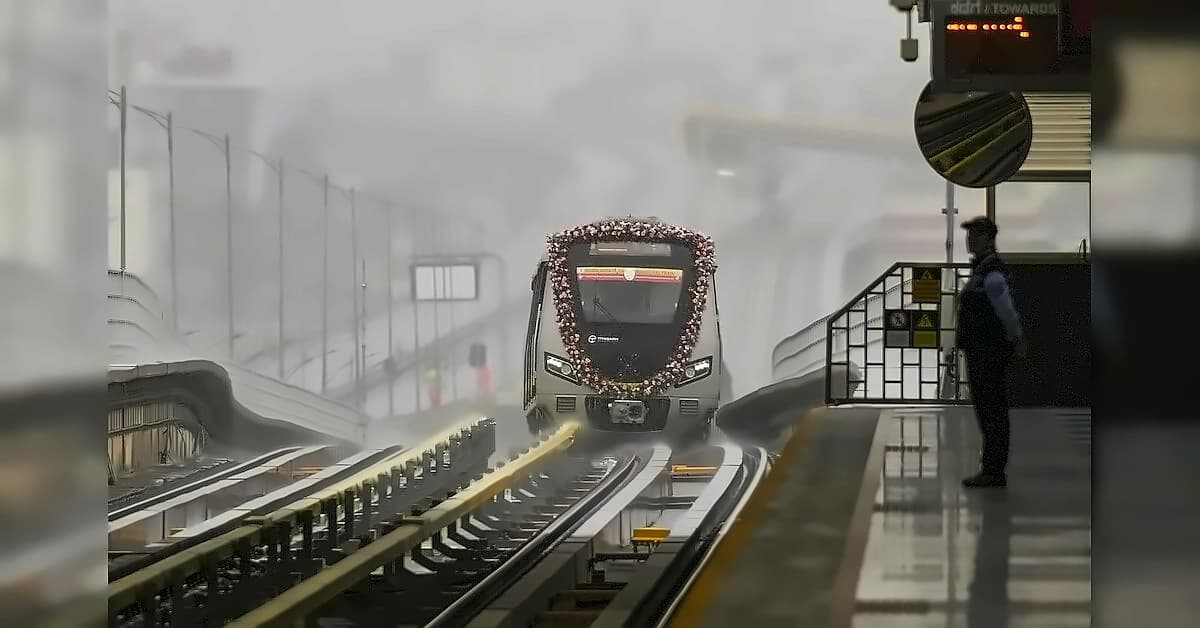
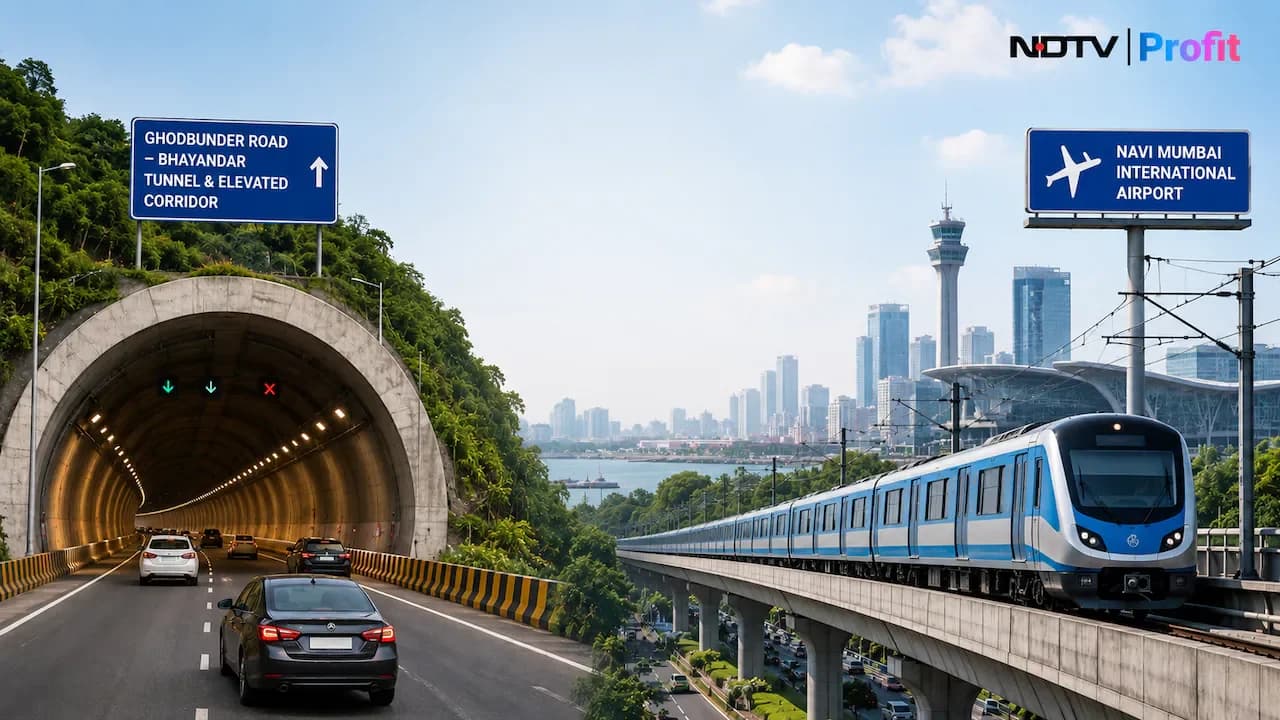
BMC Commissioner Ashwini Bhide outlined Mumbai's comprehensive strategy to address traffic congestion through metro network expansion. Speaking at the recent Namaste Mumbai Conclave 2026, Bhide emphasized that Mumbai's traffic problem stems from its unique geography - surrounded by sea on three sides and developed in a narrow linear pattern with limited scope for road widening. The city's heavy dependence on suburban railways and frequent road excavations for utilities have further increased pressure on the road network, resulting in round-the-clock congestion. According to Bhide, the long-term solution lies in expanding Mumbai's metro network, with a larger and better-connected system expected to encourage commuters to shift from private vehicles to public transport, significantly easing traffic. Once the under-construction metro corridors are connected over the next three to four years, the city is expected to witness a gradual reduction in road congestion.
The metro network is expected to carry 90 lakh to one crore passengers daily by 2040, making public transport the preferred choice for daily travel. As reported by Essential Business Intelligence, Mumbai Metro projects rank among the costliest urban transport projects in Asia, with construction expenses ranging between ₹900 crore and ₹1,000 crore per kilometre. Around 70% of project cost goes towards civil construction, while the remaining 30% is spent on systems and technology. Tunnel construction alone costs nearly ₹200-250 crore per kilometre, while metro stations can cost ₹300-400 crore each. Bhide explained why Mumbai has opted for underground metro construction despite the high costs involved, noting that with very little land available for surface expansion, underground corridors provide additional transport capacity without disturbing existing roads and buildings.
To address Mumbai's pothole problem, the BMC is replacing bitumen roads with concrete roads across its 2,050-kilometre road network. According to Essential Business Intelligence, around 1,700 kilometres have been concretised, with the remaining work targeted for completion by March 2027. The civic body has allocated an estimated ₹100 crore for pothole repairs, including ₹40-50 crore for city roads and around ₹60 crore for the Eastern and Western Express Highways. Bhide noted that Mumbai's 2,050-kilometre road network contains a vast underground utility system that requires regular maintenance, with repeated digging weakening road surfaces and cracks in bitumen roads allowing rainwater to seep in during the monsoon, accelerating damage and making repairs difficult.
The Namaste Mumbai Conclave 2026 featured the Grand CivicTech Fund Quest, a startup competition aimed at supporting technology-led solutions for urban governance. Representing the BMC, Shashi Bala, Chief – Business Development and Director of the SMILE Council CivicTech Incubator, outlined the objectives of the Society for Mumbai Incubation Lab to Entrepreneurship (SMILE), which supports startups developing technology solutions for civic infrastructure and public services. The incubator currently supports 24 startups, with another 17 to 18 ventures in its development pipeline. Niramai Health Analytix Pvt. Ltd. emerged as the CivicTech Champion, while EcoBio Consulting Pvt. Ltd. and Saltech Design Labs Pvt. Ltd. secured first and second runner-up positions respectively. The top three startups will receive mentorship from industry experts to support further development and commercialisation of their solutions.
Briefly addressing other civic challenges, Bhide noted that slum redevelopment remains one of the city's most complex administrative challenges, while waste management has shifted towards scientific processing through bio-mining and waste-to-energy initiatives. At the conclave, Sudhanshu Vats, President of the Bombay Chamber of Commerce & Industry and Managing Director of Pidilite Industries, emphasized that the city's future growth should be driven not only by infrastructure development but also by investments in cultural identity, tourism and collaboration between public and private stakeholders. The event featured panel discussions examining strategies for strengthening Mumbai's global identity through heritage, cinema, theatre, public spaces and cultural infrastructure, while focusing on integrating infrastructure, education, tourism and industry partnerships to position Mumbai among the world's leading creative cities.