The Mumbai Metropolitan Region Development Authority (MMRDA) has launched a first-of-its-kind experiment: a weekly 'Public Transport Day' in Bandra-Kurla Complex (BKC) every Friday. According to reports from MMRDA, the initiative was launched on June 6 in collaboration with WRI India to mark World Environment Day. The campaign has already secured in-principle backing from around 90 companies and organisations based in BKC, representing both large and small enterprises in the commercial hub. MMRDA Metropolitan Commissioner Dr. Sanjay Mukherjee highlighted BKC's potential to become a national example of sustainable transportation, noting that the district attracts nearly two lakh professionals daily, making it an ideal location to demonstrate how collective behavioural changes can improve urban mobility.
The programme will run on a pilot basis for at least three to four months, during which officials will track what works, identify problem spots and make changes week by week. As reported by MMRDA, the initiative has been led by MMRDA working along with BEST, Mumbai Metro Rail Corporation Limited (MMRCL), the Traffic Police, auto-rickshaw unions and WRI India. MMRDA has already instructed its own workforce of around 2,000 employees and contractual staff to follow the initiative, demonstrating the authority's commitment to the project. Dr. Mukherjee announced that he and the entire MMRDA team have committed to using public transport every Friday, setting an example for others to follow.
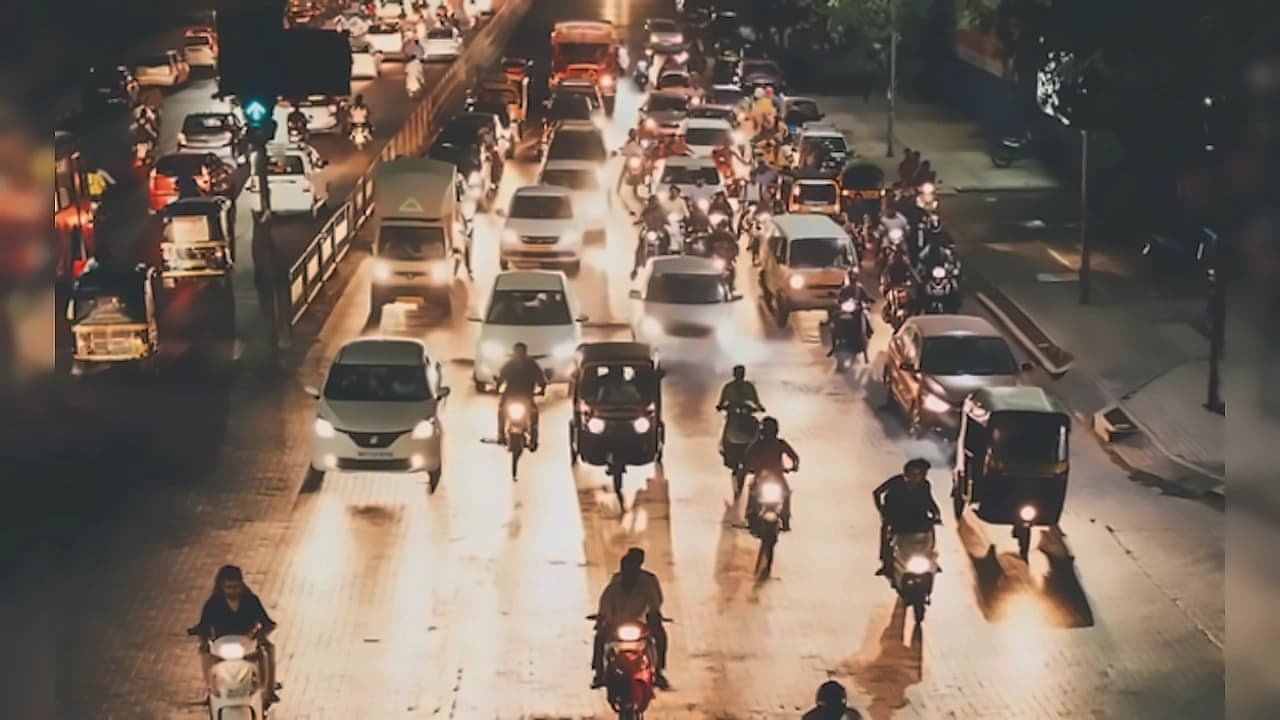
Mobility studies presented during the launch revealed significant insights about BKC commuters' travel patterns. 52 percent of commuters currently depend on private cars, taxis, and auto-rickshaws, while only 25 percent use public transport. The findings also showed that more than half of commuters spend over two hours travelling daily, and nearly 20 percent endure journeys exceeding three hours each day. The studies identified traffic congestion, weak first-and-last-mile connectivity, and limited transport choices as major challenges for commuters travelling to BKC. However, the survey also highlighted strong support for sustainable transport, with 82 percent of respondents stating they would switch to public transportation if services became more reliable, comfortable, and convenient.
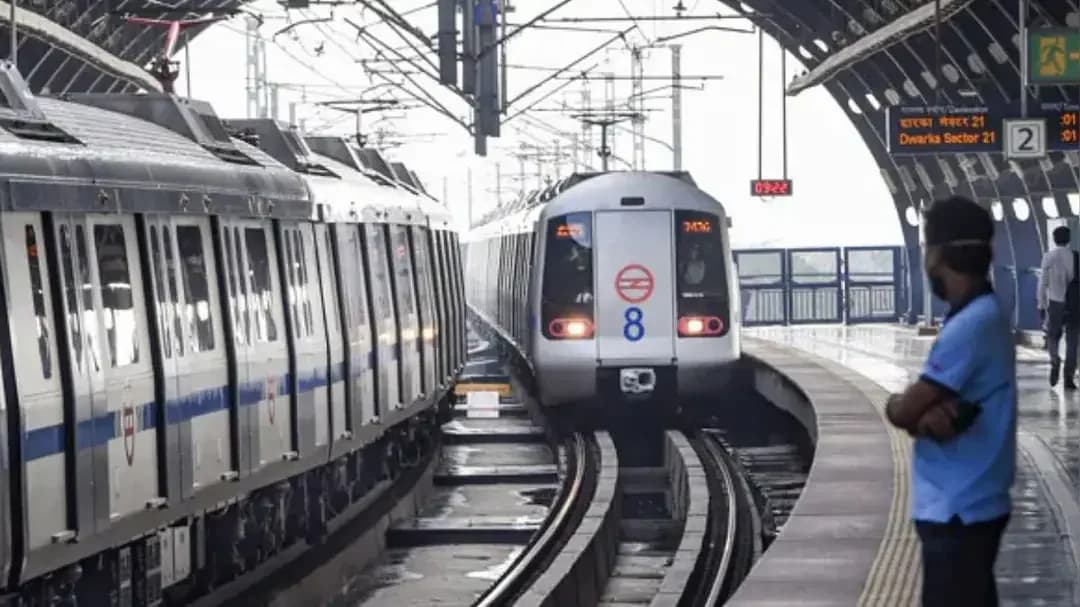
Friday was specifically chosen for the initiative because office attendance and schedules are usually more relaxed at the end of the week, making employees more open to trying out public transport. According to officials cited by MMRDA, Monday is seen as a high-pressure day with stricter timings, making people less willing to leave their cars at home. The initiative coincides with major improvements in public transport infrastructure, including the operational Metro Line 3 and upcoming Metro Lines 2B and 4, which are expected to place almost the entire BKC area within easy reach of a metro station. Stakeholders also proposed feeder buses, better pedestrian facilities, integrated mobility platforms, and commuter incentives to accelerate adoption.
The aim of the initiative is to slowly change how people travel to one of India's busiest commercial hubs, with the specific goal of easing traffic jams, improving mobility and cutting BKC's carbon footprint. As reported by MMRDA, officials note that while car-free Sundays are common in global cities such as Bogotá, Mexico City, Jakarta and Manila, BKC's weekly Public Transport Day is unique because it focuses specifically on a corporate business district, making it a pioneering experiment in India's commercial hubs. The campaign also reflects the broader vision promoted by Prime Minister Narendra Modi, who has consistently advocated greater use of public transport, and aligns with the Maharashtra government's policy encouraging government employees and senior officials to travel via metro, suburban rail, or buses at least once every week.