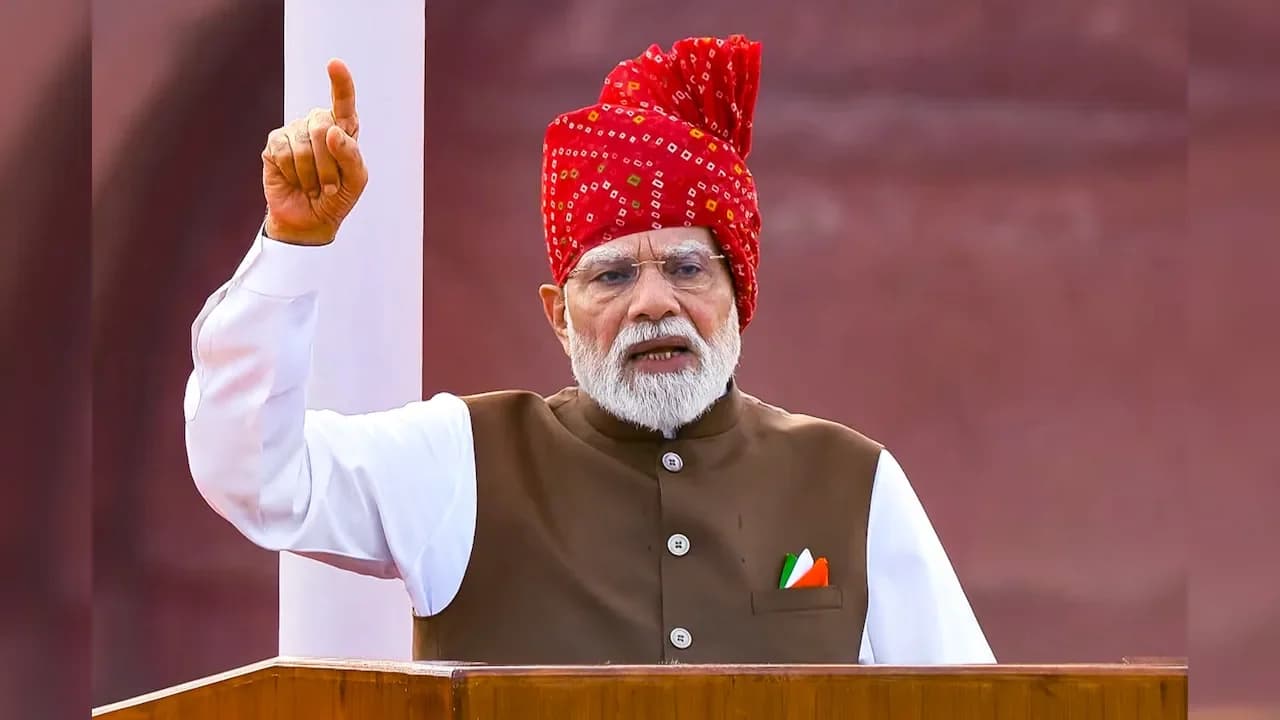
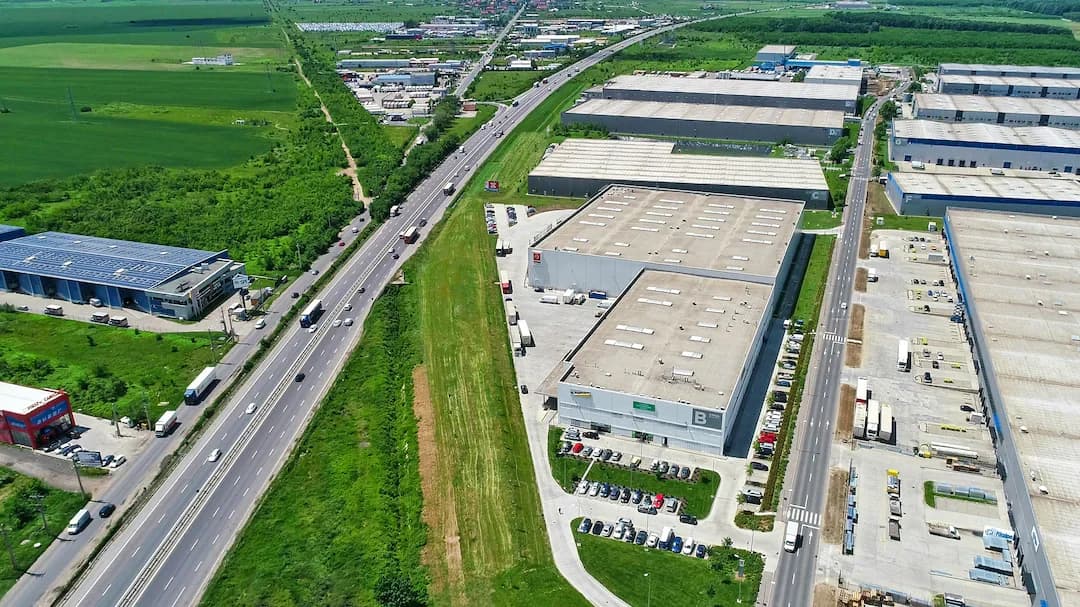
Commerce Minister Piyush Goyal has launched the Bhavya portal to facilitate applications for 100 industrial parks under the Bharat Audyogik Vikas Yojna (BHAVYA) scheme. Speaking at the launch event in New Delhi, Goyal described the portal as designed to facilitate the creation of integrated industrial ecosystems equipped with multimodal connectivity, dependable utility infrastructure, digital governance systems, worker-centric amenities, and sustainable development features. According to reports from NDTV Profit, the portal serves as a sole window for the ₹33,660-crore scheme implementation, designed to streamline project submission, evaluation, monitoring and execution through a unified digital platform. The launch represents a significant step towards fostering transparency, efficiency and data-driven governance in industrial infrastructure development across India. The launch event was chaired by Shri Piyush Goyal, attended by Secretary, DPIIT, Shri Amardeep Singh Bhatia, and CEO & MD, NICDC, Shri Rajat Kumar Saini, along with representatives from State and Union Territory Governments, industry associations, Export Promotion Councils, banks and financial institutions, master developers, and MSMEs.

The scheme follows a structured implementation timeline with applications received between 1 June and 31 July being considered for the first phase of 50 parks, while a further 30 parks would be taken up based on applications received up to 30th September. As reported by Mint, the first application window runs from 1 June to 31 July 2026, followed by a second round from 1 August to 30 September. The portal will serve as the single digital interface for end-to-end implementation of the Scheme, facilitating the submission of Detailed Project Report (DPR) proposals, project appraisal and evaluation, and real-time monitoring of implementation progress. The launch follows closely on the Cabinet approval of the Scheme, the release of its operational guidelines, and structured consultations with States and Union Territories, reflecting the pace and commitment with which the Government is advancing one of India's most ambitious industrial infrastructure programmes.
The scheme provides financial support of up to ₹1 crore per acre for core infrastructure development, covering internal roads, underground utilities, drainage, common treatment facilities, ICT and administrative systems. Additional support will be provided for value-added infrastructure including ready-built factory sheds, built-to-suit units, testing labs, and warehousing, as well as social infrastructure for worker housing and support amenities. The scheme is implemented through a 51:49 partnership model where State Governments provide land while the Government of India supports infrastructure creation through the National Industrial Corridor Development Corporation (NICDC). Each park will offer comprehensive physical and digital infrastructure including plug-and-play/ready-to-use infrastructure, underground utility systems, water and waste management, common effluent treatment systems, renewable energy infrastructure, worker housing and social infrastructure, testing laboratories (in discussions with FSSAI and other government bodies), digital single-window governance systems, skill development facilities, multimodal logistics connectivity, and earmarked zones for startups and deeptech businesses. According to Mint, funds will be released in phases linked to milestones such as transfer of land, environmental clearances, commencement of development work and allotment of plots to manufacturing units.
The scheme is open to partnerships with other countries for dedicated industrial enclaves within the parks, such as a Japan-specific enclave catering to Japanese manufacturers. As reported by NDTV Profit, the possibility of creating dedicated international enclaves in partnership with countries such as Japan, Singapore, the Republic of Korea and Switzerland could be explored to facilitate investment and provide a familiar environment for expatriate professionals working in India. The Government is also open to developing dedicated areas for Global Capability Centres (GCCs), worker housing and social infrastructure within the parks. The detailed operational procedures for the Bhavya Scheme were released by the Department for Promotion of Industry and Internal Trade in May 2026, with the launch of the portal marking the next critical step in translating policy into implementation. According to the ministry of commerce and industry, the scheme is expected to attract substantial domestic and foreign investment, generate large-scale industrial employment and contribute significantly to India's emergence as a globally competitive manufacturing destination.
The BHAVYA Scheme adopts a competitive model under which states would be encouraged to submit detailed project proposals highlighting their industrial strengths, availability of land, investor interest and sectoral potential. As reported by the ministry of commerce and industry, the ₹33,660-crore earmarked by the Central Government for the development of 100 industrial parks would catalyse substantial investments, generate direct and indirect employment, strengthen Centre-State partnership and support industrial growth across the country. The parks will be developed in different sizes, ranging from 25 acres in hilly regions, smaller Union Territories and Northeastern states to between 100 and 500 acres in mid-sized states and regions, and up to 1,000 acres in locations closer to cities and towns. Most proposed parks must have at least 100 acres of land, with the threshold falling to 25 acres for hilly states, Northeastern states, Union Territories and states with populations below one crore. At least 90% of the land must be encumbrance-free and under possession before a proposal is submitted, with the land subsequently transferred to a special purpose vehicle (SPV) responsible for implementation. The scheme also allows up to 20 large parks with development areas between 500 and 1,000 acres. Projects will be evaluated on parameters such as proximity to highways, ports, airports, rail networks and logistics hubs, along with the availability of reliable power and water, with additional weightage given to demand validation, competitive industrial power tariffs, digital single-window systems and integration with existing industrial ecosystems.