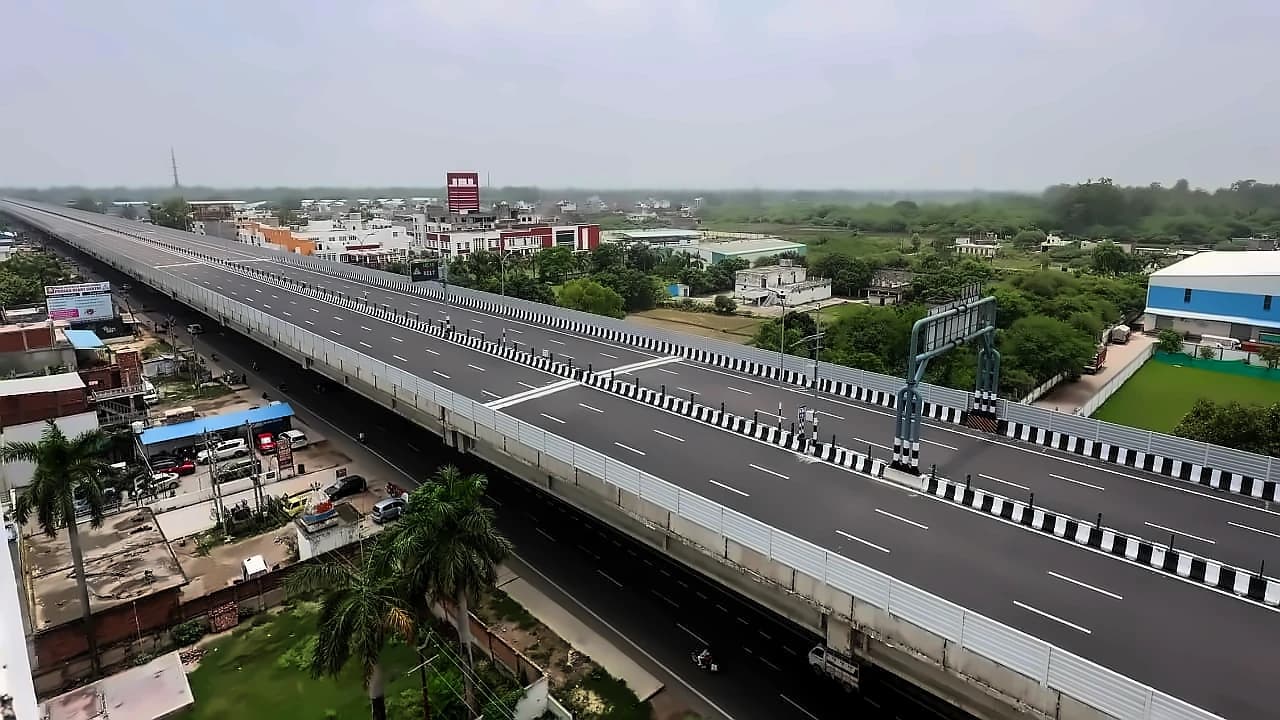
The Barapullah Phase III corridor, inaugurated by Union Home Minister Amit Shah just two days ago, is facing significant traffic congestion despite promises of 15-20 minute travel times. According to Mint reports, commuters are experiencing nearly 3-kilometre-long jams on the newly opened elevated corridor. A commuter reported being stuck for around 40 minutes while travelling from Mayur Vihar Phase-I towards central Delhi during afternoon hours, while another took 55 minutes to reach the intersection point of the flyover. The gridlock was particularly severe during morning peak hours between 9:30 am and 10 am, with traffic moving at what commuters described as a snail's pace. As reported by Mint, one commuter managed to move only a kilometre in 50 minutes, highlighting the immediate challenges facing the new infrastructure.
The congestion stems from thousands of cars that used to take NH-24 now diverting to the left from Mayur Vihar towards the flyover, according to a traffic police official speaking to The Hindu. Commuters from all sections are using the new route after news about reduced travel time prompted widespread adoption. Those who take the Delhi–Noida Direct (DND) Flyway are also using the flyover, creating an unexpected surge in traffic volume. South Delhi traffic Deputy Commissioner of Police Sandeep Gupta told The Hindu that Google Maps directed commuters to the new corridor without highlighting the congestion, with no option to return or get down once they entered the route. The official noted that everyone kept coming, but there was no option to return once the navigation system directed them to the new corridor.
The Barapullah Phase III Corridor was inaugurated on Tuesday by Union Home Minister Amit Shah, who also unveiled other connectivity projects worth ₹1,941 crore in the national capital. According to reports from Hindustan Times, the signal-free route between Mayur Vihar Phase 1 and AIIMS is expected to reduce travel time to around 15-20 minutes. However, during peak hours or heavy traffic, commuters may take 30-40 minutes for their journey. Delhi Chief Minister Rekha Gupta highlighted the project's completion timeline, stating that the elevated corridor from Mayur Vihar to Sarai Kale Khan was approved in 2014 but remained incomplete for years before being completed within 1.5 years after the BJP government came to power. As reported by Hindustan Times, Shah also laid the foundation stone for two new flyovers – Modi Mill to Kalkaji and the Savitri Cinema half flyover, along with inaugurating the Mukarba Chowk underpass. The opening ceremony marks the end of nine years of delays and missed deadlines that plagued the project since its initial approval in 2014.
The Barapullah Phase III elevated corridor connects Mayur Vihar Phase 1 with Sarai Kale Khan and improves connectivity towards AIIMS and other parts of South Delhi. As reported by Hindustan Times, the new stretch will be integrated with the existing Barapullah corridor, taking the total elevated road network to nearly 9 km. Construction of both ramps on the new section has been completed, with one ramp providing connectivity from the Mayur Vihar side and the other linking the new corridor with the existing Barapullah stretch near Sarai Kale Khan. The 3.5-km elevated corridor was designed with a focus on modern transport infrastructure and sustainable mobility, featuring a dedicated cycle track and pedestrian-friendly infrastructure. According to Hindustan Times, the biggest expected benefit is faster travel between East and South Delhi, with the corridor providing signal-free carriageways for seamless connectivity. At 3.5 kilometers, the new segment perfectly merges with the Barapullah segment into a single 9-kilometer-long elevated corridor, providing commuters moving through East Delhi, Noida, and South Delhi with a direct route to avoid traffic on ring roads and get to AIIMS in merely 15 to 20 minutes.
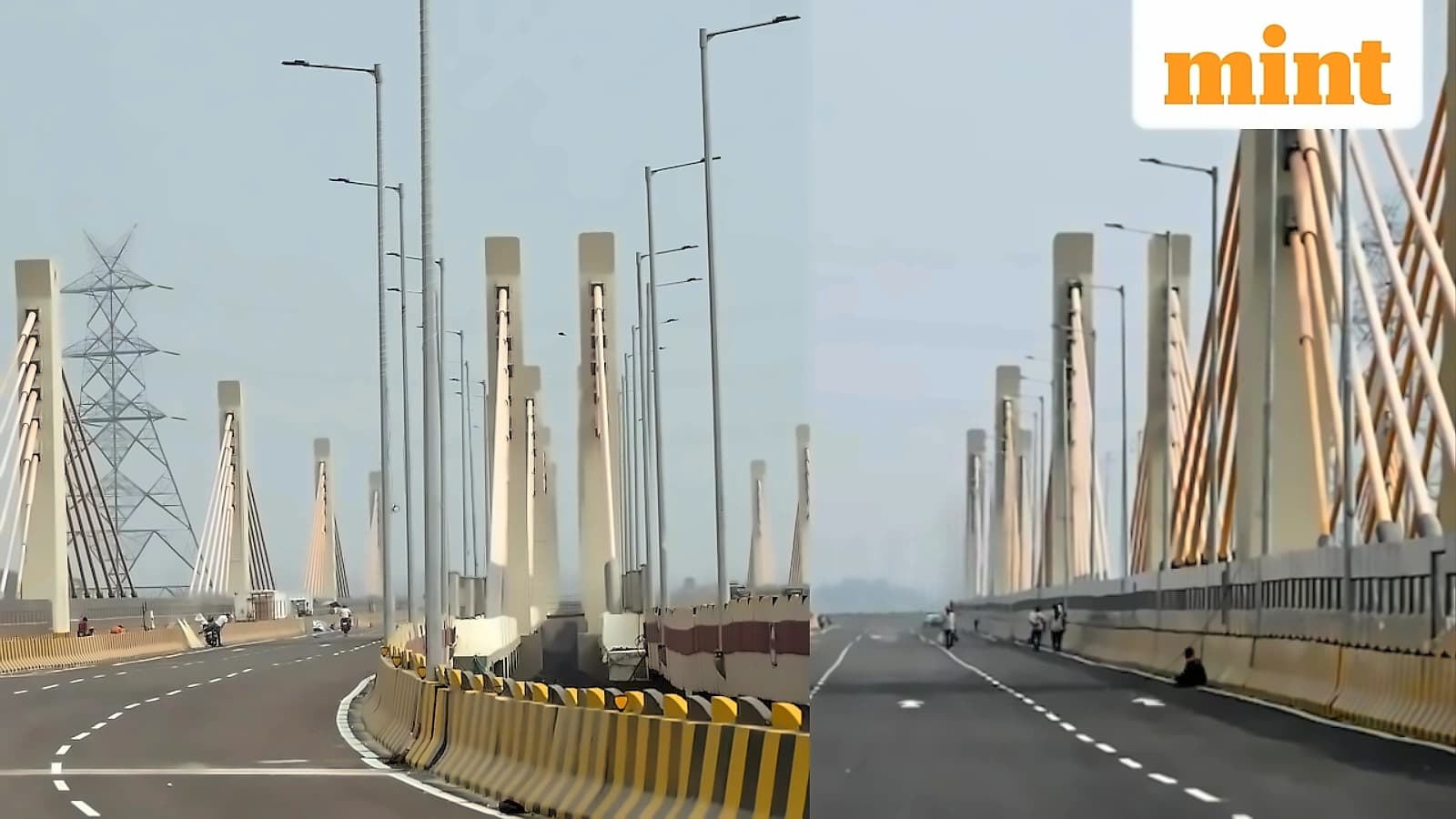
A key component of the project is the bridge crossing the Yamuna floodplain, with pillars placed nearly 125 metres apart to limit construction within the active river zone and reduce disruption to the river's natural flow. According to Hindustan Times, the combined 9-km stretch features a dedicated cycle track and pedestrian-friendly infrastructure, with the project featuring India's first flyover corridor equipped with a dedicated cycle track, footpaths, and a special bridge structure over the Yamuna floodplain with long pillar spans to protect the river's flow. The entire route has functional ramps with the key engineering feature being a bridge over the Yamuna floodplains with 125 meters wide pillars, which allows for natural flow of river waters. The project includes what has been described as India's first flyover corridor with a dedicated cycling track and pedestrian footpaths. The corridor is expected to reduce fuel consumption and lower carbon dioxide emissions by around two tonnes per day, with environmental measures also expected to reduce pollution equivalent to approximately 30,000 trees.
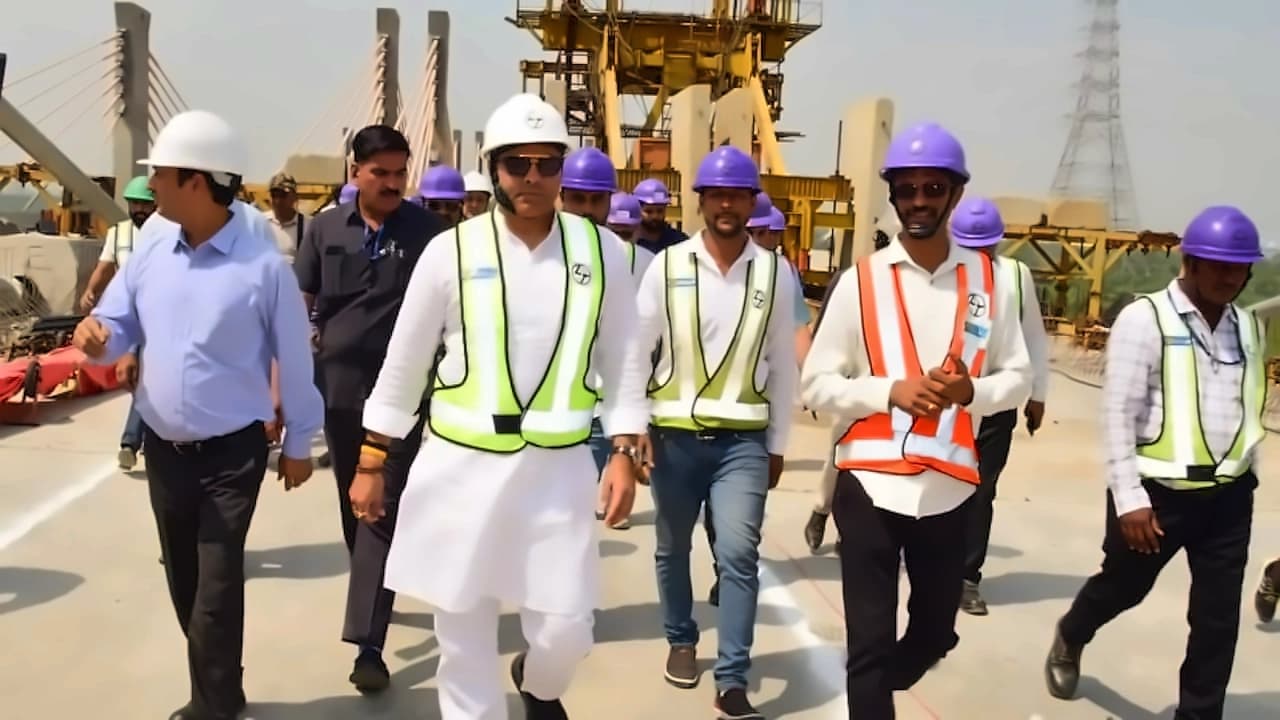
The Barapullah Phase III project was originally approved in 2014 and work began in 2015, but faced several delays due to land acquisition issues, construction work around the Yamuna and the COVID-19 pandemic. As reported by Hindustan Times, the project was initially scheduled for completion in 2017 but faced multiple delays and significant cost overruns, with the revised project cost now at approximately ₹1,635 crore. PWD Minister Parvesh Verma revealed that during his inspection of the stalled project, it came to light that no AAP leader or minister had visited the flyover in the previous nine years. The project suffered greatly from delays caused by land acquisition problems, obtaining required environmental clearances, and the effect of pandemic. The final cost reached ₹1,635 crore after years of delays and cost escalations, reflecting the complexity of urban infrastructure projects in India's capital.