Nine international airlines have temporarily suspended freighter operations at Navi Mumbai International Airport (NMIA) within two months of shifting their cargo flights from Mumbai airport, over inadequate cargo-handling capacity, infrastructure gaps and manpower shortages. The suspended carriers include Emirates SkyCargo, Singapore Airlines Cargo, China Airlines Cargo, Malaysia Airlines' MASkargo, Lufthansa Cargo, Air France KLM Martinair Cargo, Saudia Cargo, EgyptAir Cargo and Ethiopian Cargo & Logistics Services. Turkish Cargo, Cathay Cargo and Azerbaijan-based Silk Way West Airlines are among other carriers running intermittent services as they grapple with difficulties in handling and transporting shipments. According to industry sources, the scale of the withdrawal is significant, with the suspended schedules representing an estimated 23 weekly Boeing 777 freighter flights, each capable of carrying approximately 100 tonnes of cargo, three weekly Airbus A330 freighter flights with capacity of about 60 tonnes each, and one weekly Boeing 747 freighter service capable of transporting nearly 100 tonnes.
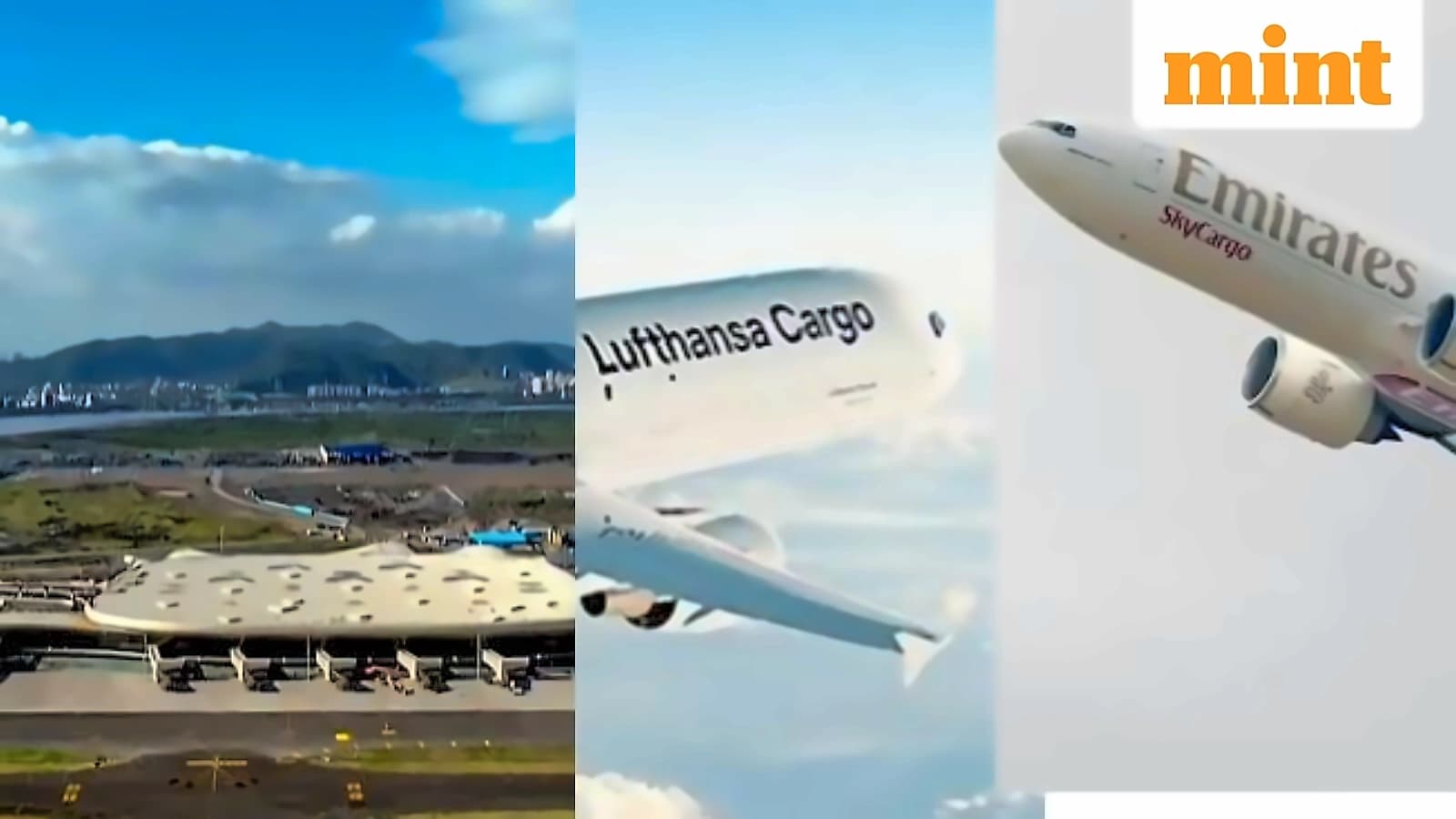
The disruption has resulted in an estimated loss of nearly 1,000 tonnes of daily cargo capacity, including around 400 tonnes of export capacity and 600 tonnes of import capacity, in the Mumbai metropolitan region, with exporters and importers facing delays and shipments being diverted to other airports. Based on these aircraft types and frequencies, the cargo industry estimates a daily capacity loss of around 1,000 tonnes, with affected capacity representing an estimated 35-40% of the Mumbai region's inbound and outbound cargo movement. Shipments have started going to other stations such as Ahmedabad, Bengaluru and Delhi instead, as per industry sources. The affected capacity represents a significant portion of the Mumbai region's cargo handling capabilities, with the disruption affecting multiple sectors including pharmaceuticals, chemicals, engineering goods and textiles.
One of the biggest operational challenges at NMIA is the time required to move cargo from aircraft to warehouses, identify its location and make it available for customs examination and clearance. A customs broker told The Times of India that cargo at Mumbai airport is generally checked into the terminal and its location communicated within 4 to 5 hours of a flight landing during the daytime, while for flights arriving at night, the process is generally completed by the following morning. However, at Navi Mumbai airport, after a flight lands, cargo takes 3-4 days to be moved from the tarmac to the warehouse and checked in, then another 2-3 days to identify where it has been stored, with the entire process taking 8-10 days. A cargo forwarding agent said that the industry's demand is that the government should step in to allow freighters to go back to operating from Mumbai airport until NMIA doesn't have the requisite infrastructure and manpower in place.
Industries including pharmaceuticals, chemicals, engineering goods and textiles have been among the worst affected by the shortage in cargo-handling capacity. The Air Cargo Association of India (ACAAI) has raised concerns with customs officials over import shipments stranded on dollies or exposed to rain. In some instances, cargo and unit load devices (ULDs) reportedly remained untraceable for more than a week, with stakeholders spending two to three days trying to locate missing units. Export consignments have faced difficulties too, with some shipments remaining unloaded from trucks for up to two days and consequently missing their flight cut-off times. The Brihanmumbai Custom Brokers Association (BCBA) has approached customs authorities, seeking urgent intervention, stating they have rarely witnessed such a paralysed state of affairs in cargo operations. The BCBA said in a letter to the NMIA chief commissioner of customs this month: "The EXIM trade cannot be expected to bear the financial and operational consequences of deficiencies in airport cargo handling and infrastructure management."
Lufthansa Cargo has separately flagged shortcomings in the airport's cargo-handling infrastructure, with a spokesperson telling The Times of India that the airline had been facing significant operational challenges due to insufficient cargo handling capacity at the new airport. The airline has halted its cargo services at NMIA until November 30, with resuming regular freighter schedule dependent on consistent improvements in cargo-handling capacity, equipment availability and airport operations reliability. A Lufthansa Cargo spokesperson said that the airline has been "facing significant operational challenges due to insufficient cargo handling capacity at the new airport" and that this has resulted in substantial cargo backlogs and made it impossible for them to maintain their regular freighter schedule. "Despite the measures announced to stabilize operations, the anticipated improvements have yet to materialize, as several of these initiatives remain to be implemented," the airline stated. Responding to queries, NMIA said cargo operations were continuing and that the airport was steadily expanding its network, infrastructure and capabilities to support growing domestic and international cargo volumes, though it did not directly address specific operational concerns raised by industry stakeholders.