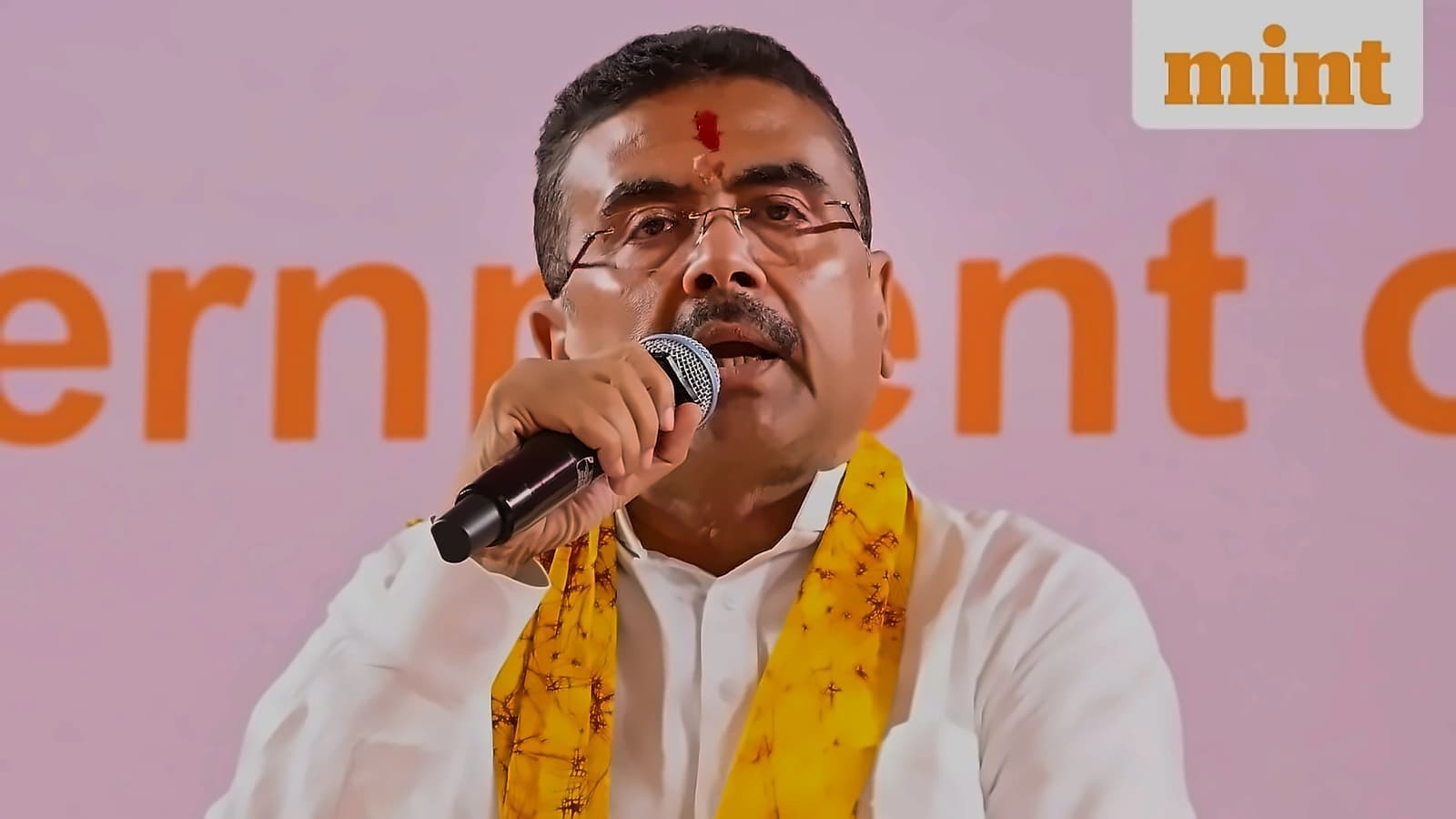
The West Bengal government has officially approved the Annapurna Yojana, providing ₹3,000 per month to women beneficiaries, as reported by Angel One News. This initiative marks a significant enhancement over the existing Lakshmir Bhandar scheme, which currently offers ₹1,500 monthly to general category women and ₹1,700 to SC/ST women beneficiaries. West Bengal Chief Minister Suvendu Adhikari had officially announced the scheme from June 1, 2026, following the first cabinet meeting of the new BJP government on May 11, 2026. The scheme will provide direct financial assistance of ₹3,000 per month to women beneficiaries in their bank accounts, representing a considerable increase in support from the existing program. The Annapurna Yojana is a major electoral promise made during the 2026 West Bengal Assembly Elections and aims to empower women and enhance financial stability for families across the state.
According to ThePrint-PTI, West Bengal Chief Minister Suvendu Adhikari has directed officials to ensure the launch of free bus travel for women on all state-run transport vehicles from next month. This free transport initiative was also a key promise in the BJP's poll manifesto alongside the Annapurna Bhandar scheme. The Ayushman Bharat health insurance scheme will be rolled out from June 2026, which was not implemented by the previous TMC government. However, officials remain unclear about whether all residents would be covered or if benefits would be linked to family income and other criteria. During meetings chaired by Adhikari at the state secretariat Nabanna, the Chief Minister made it clear that no existing social welfare scheme in the state would be discontinued. "Whether a scheme was introduced 30 years ago or 10 years ago, no social welfare project currently in operation will be stopped by this government," Adhikari told officials, as reported by ThePrint-PTI.
According to GKToday, the application process is currently under discussion by government officials and will be formally launched from June 1st onwards. The expected application process will involve visiting the official government portal, entering Aadhaar and personal details, uploading required documents, linking bank account details, and submitting the application form. Offline applications may also be accepted through Duare Sarkar camps, BDO offices, SDO offices, and Municipality offices. Women applying for the scheme will need Aadhaar Card, Voter ID card, Ration card, Bank passbook, Mobile number linked with Aadhaar, Passport-size photograph, Residence proof, Income certificate, and Caste certificate (if applicable). However, as of May 11, 2026, the West Bengal government has not yet released any official announcement, website, or application process for this scheme. The current West Bengal government has committed to fully launching the Annapurna Yojana by mid-2026, following the formation of the official government.

As reported by GKToday, the expected eligibility criteria include being a permanent resident of West Bengal, being a woman applicant, having an Aadhaar-linked bank account, valid ration card, and meeting age criteria as prescribed by the government. The final eligibility rules will only be confirmed after the official notification. The government is yet to announce the eligibility criteria for the Annapurna Yojana, but expected conditions include being a permanent resident of West Bengal, belonging to low-income households or Economically Weaker Section (EWS) family, being within the specified annual income limit, being a ration card holder (BPL/AAY/PHH), and being a permanent or retired government employee. Several decisions were taken during a series of meetings chaired by Adhikari at the state secretariat Nabanna, with the Chief Minister directing officials to take steps to ensure implementation from next month. Citizens are warned to stay alert against fake Annapurna Yojana forms and unofficial registration links. Applicants are advised to avoid fraud WhatsApp forwards and agents demanding money for enrollment, with officials emphasizing that no money should be paid to middlemen claiming guaranteed registration.