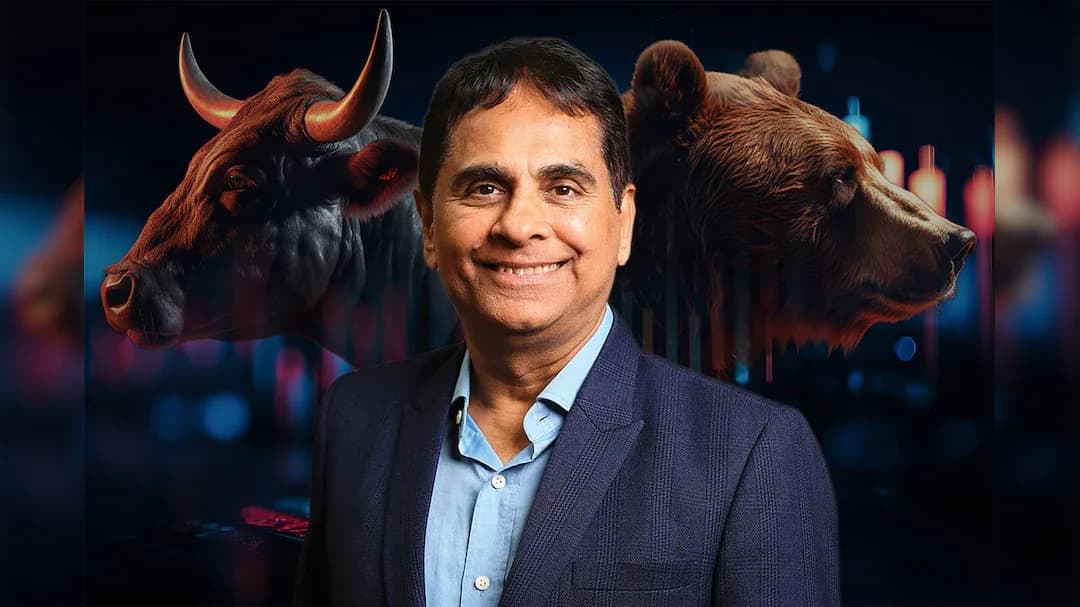
Veteran investor Vijay Kedia has made his third appeal to Finance Minister Nirmala Sitharaman for comprehensive capital market reforms, this time calling for the abolition of Securities Transaction Tax (STT). According to reports from Mint, this marks Kedia's third request following his earlier calls for the abolition of long-term capital gains (LTCG) tax and dividend taxation. His latest proposal completes a series of suggestions aimed at making Indian capital markets more efficient and investor-friendly, coming at a time when policymakers are increasingly focused on deepening retail participation in financial markets.
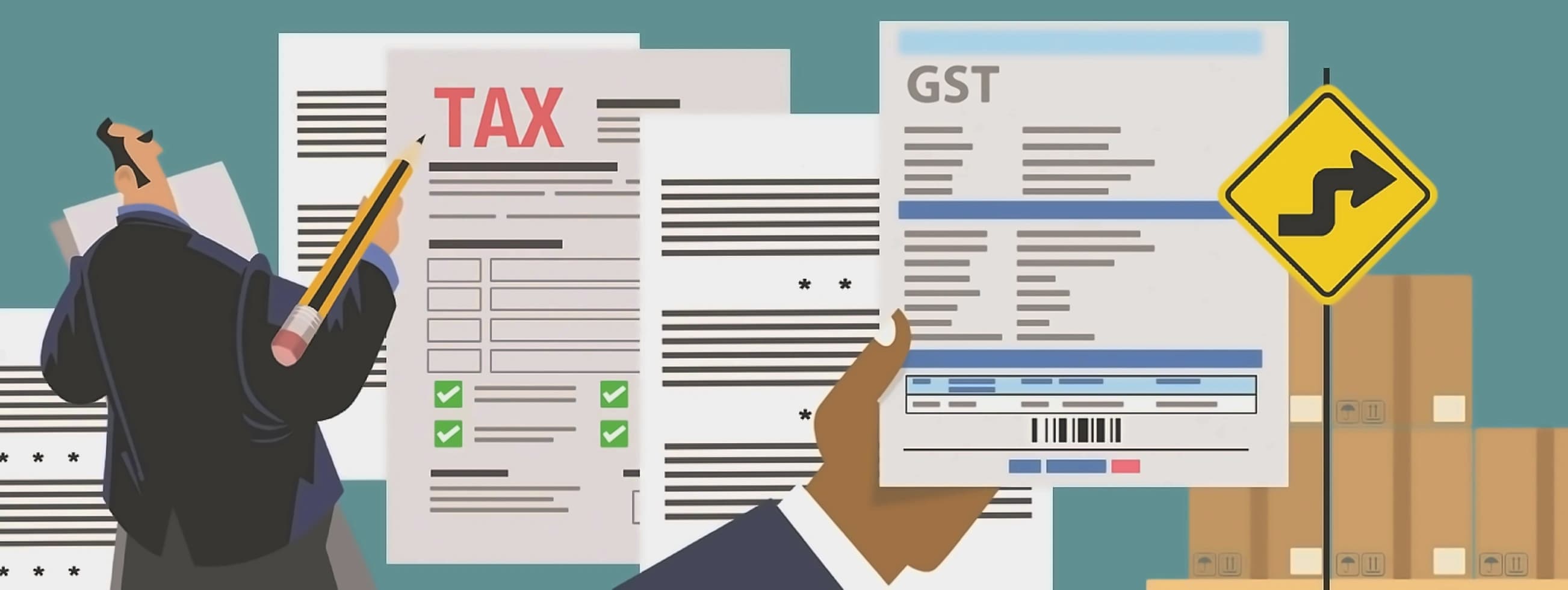
In his latest social media post, Kedia argued that STT has evolved into an unnecessary burden on investors despite originally being introduced as a simplified transaction tax. As reported by Mint, he stated that "STT was introduced as a simplified transaction tax to facilitate easier collection of taxes from capital market transactions. However, over time, it has effectively become an additional layer of taxation alongside other market-related levies." The veteran investor highlighted that investors already bear multiple charges including brokerage fees, exchange transaction charges, GST on transaction-related charges, SEBI turnover fees, stamp duty, and STT itself. STT is payable regardless of whether an investor earns a profit or suffers a loss, unlike income tax which is linked to earnings, making it a cost that cannot be avoided.

Kedia emphasized that reducing transaction costs could encourage broader participation in equity markets and strengthen the role of capital markets in supporting economic growth. According to Mint reports, he explained that "Capital markets play a vital role in channeling household savings into productive enterprises, supporting entrepreneurship, generating employment and strengthening India's economic growth. Multiple layers of taxation discourage participation, particularly among long-term retail investors." He noted that India's equity markets have matured significantly since STT was first introduced, with improved compliance systems, digitisation, advanced reporting mechanisms, and a much larger investor base, making the rationale for the levy worthy of fresh examination. Abolishing STT would simplify market taxation, improve capital market efficiency and encourage greater participation in India's growth story, as Kedia stated in his latest comments.
In his earlier social media post on 28 May, Kedia argued that dividend income on listed equities should not be subjected to double taxation. As reported by Mint, he highlighted that equity investors are being treated unfairly compared to debt investors despite taking significantly higher risks. Companies generally raise capital through either debt or equity, where interest paid to lenders is treated as a business expense and deducted before tax, while the lender pays tax on the interest income received. However, when a company raises equity capital, dividends are paid out of profits that have already suffered corporate tax, and then the shareholder is taxed again on the same stream of income.
Kedia's latest comments come amid a broader debate around capital market taxation in India, with market participants often arguing that frequent tax changes and higher levies reduce the attractiveness of equities for retail investors. As reported by Mint, Nifty 50 has lost 8% so far this year, putting it on track for its first annual loss after a decade of gains. The current market challenges include persistent foreign investor selloff, rupee weakness, oil price shock, and threat of earnings slowdown, all contributing to weak investor sentiment. His proposal comes at a time when policymakers are increasingly focused on improving capital formation and encouraging long-term investment in productive assets.