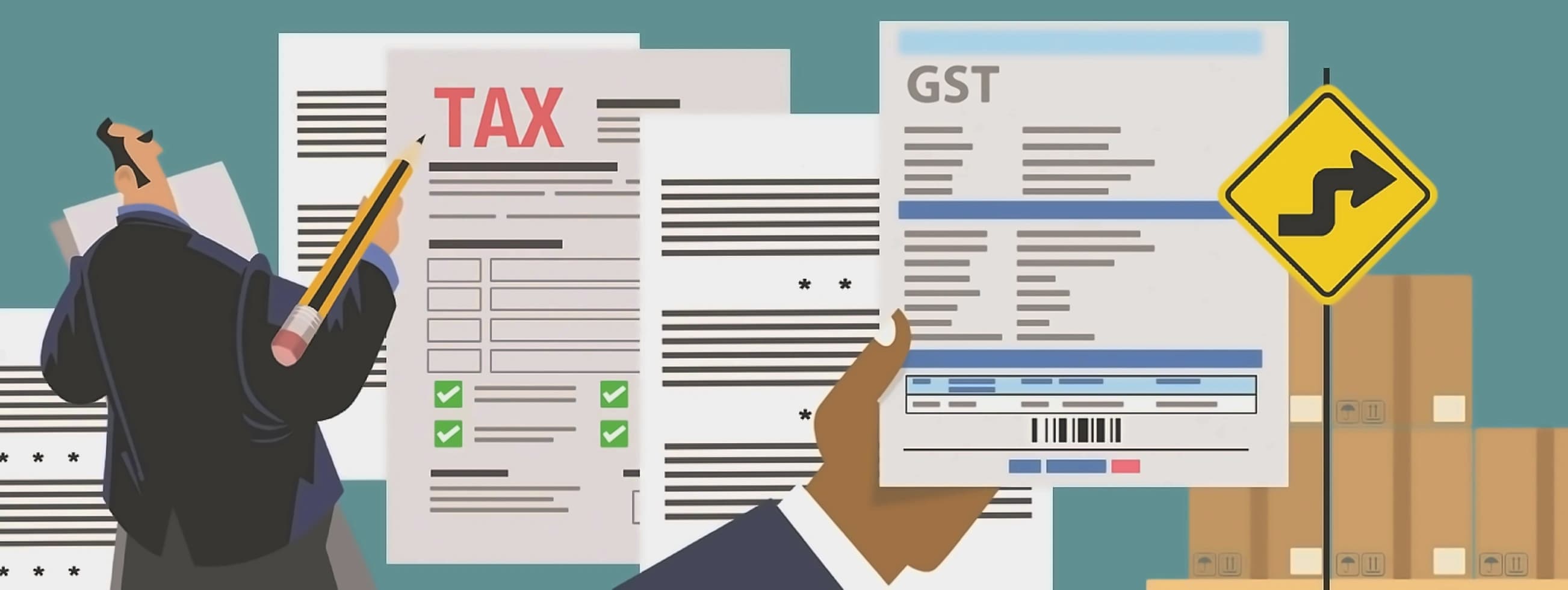
India's indirect tax reform journey has been a complex process spanning decades, transforming from an extortionary system to the current goods and services tax (GST). According to reports from Business Standard, until the mid-1970s, the tax system was designed as the main instrument for establishing a 'socialistic pattern of society' with personal income tax having 11 slabs ranging from 10% to 85%, combined with a 15% surcharge making the top rate 97.75% for those earning over ₹2 lakh. The Tax Reform Committee (TRC) chaired by Raja Chelliah reduced this to four slabs with a top rate of 40%, while further simplification came in P Chidambaram's 1996 budget.
The first systematic attempt at indirect tax reform came in 1976 with the Indirect Taxes Enquiry Committee chaired by L K Jha, which recommended converting excise duty into a manufacturing-stage value-added tax (Manvat). As reported by Business Standard, nothing was done for 10 years, and in 1986, excise duty was converted to modified value-added tax (Modvat) without necessary structural changes. The TRC recommended reducing tax rates and simplifying the system, leading to the replacement of Modvat by central value-added tax (Cenvat) in April 2000. The introduction of service taxation began in 1994 at 5% on three services - non-life insurance, stock brokerage and telecom - expanding to 119 services by 2011-12.
Service taxation emerged as a critical component of India's tax reform journey, with the first systematic approach outlined in a 1993 Asian Development Bank article by the current writer. According to Business Standard, the tax was introduced in 1994 at 5% on three services, expanding over time to cover 119 services by 2011-12 with increased rates and comprehensive coverage. The revenue from service tax grew dramatically from ₹407 crore in 1994-95 to ₹2.1 trillion in 2015-16, fundamentally changing the taxation landscape.
At the state level, finance ministers engaged in discussions to simplify sales taxes into value-added tax (VAT) following TRC recommendations. As reported by Business Standard, a committee of state finance ministers was constituted in 1994-95 and institutionalized as the Empowered Committee of State Finance Ministers in July 2000 with Ashim Dasgupta as chairman. The blueprint for transforming sales taxes into VAT was developed and accomplished in 2005, requiring significant work including revenue-neutral rate estimation, destination tracking mechanisms, and clearing-house development.
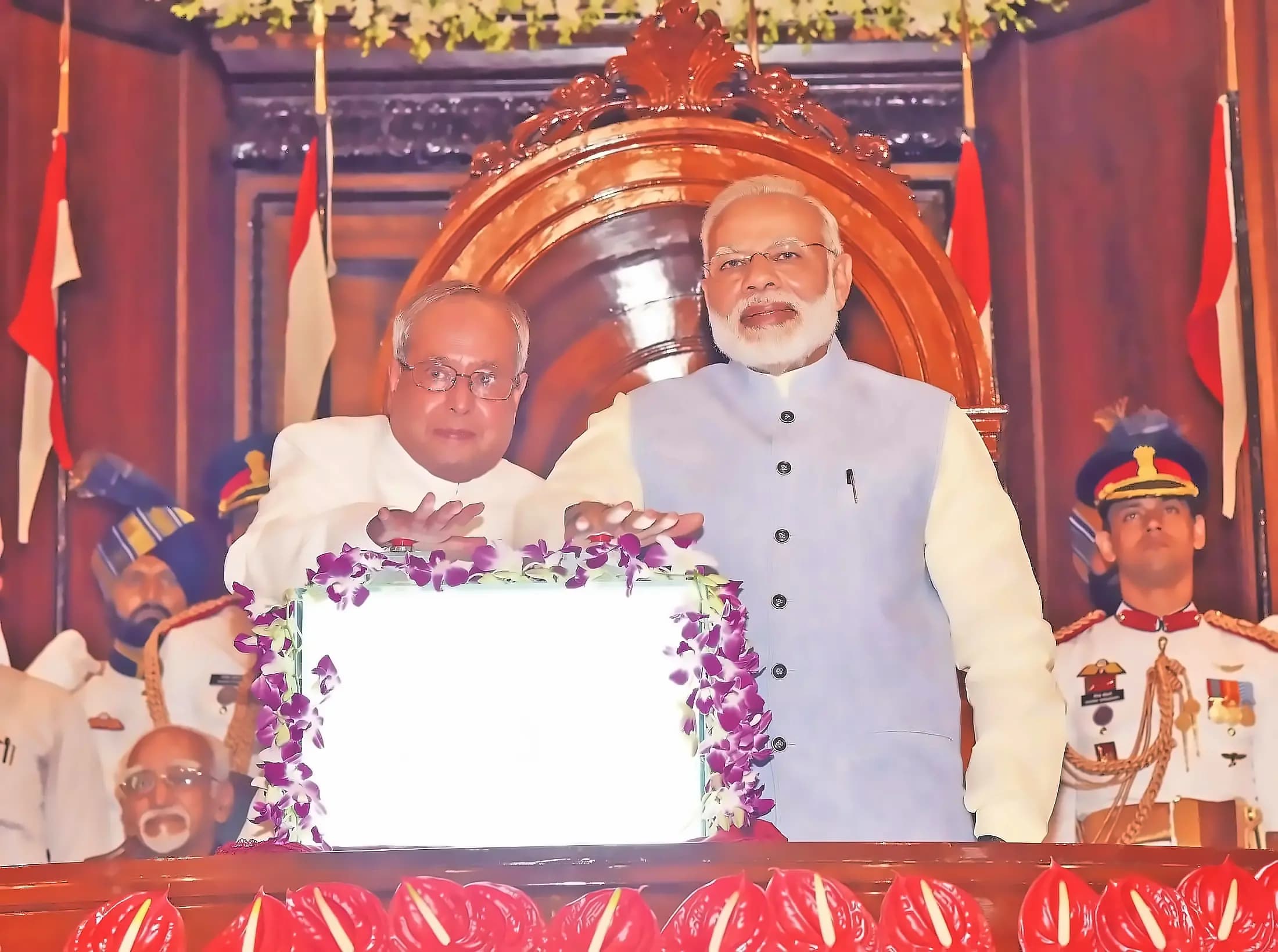
The proposal for integrating domestic consumption taxes at Union and state levels was recommended by the Expert Group on Taxation of Services in March 2001, chaired by the current writer. According to Business Standard, the expert group's five major recommendations included taxing all services excluding small negative list, providing tax credits for excise duty and service tax, and zero-rating all exports. The reform faced serious objections from producing states including Gujarat and could not be implemented by the United Progressive Alliance government. The National Democratic Alliance government finally implemented the GST reform on July 1, 2017. As the GST regime progresses from GST 2.0 to 3.0, industry stakeholders emphasize that implementation will be the main differentiator, with experts like Rishi Agrawal of TeamLease Regtech highlighting that MSME entrepreneurs stand to gain the most through reduced compliance time and cleaner data systems.
The Institute of Chartered Accountants of India (ICAI) has submitted comprehensive suggestions to simplify GST registration and refund processes through its GST & Indirect Taxes Committee. According to recent reports, the proposed reforms cover both GST registration and GST refunds, including application tracking, biometric verification, document uploads, registration cancellations, refund validation and delayed refund interest. One of the key suggestions is to improve the integrated GST registration facility available through the MCA portal during incorporation, addressing current transmission delays and data mismatches that can create compliance difficulties. ICAI has also proposed that biometric Aadhaar verification should be treated as PAN-level validation rather than being repeated separately across States and Union Territories, aiming to reduce procedural hurdles and improve portal functionality for taxpayers.