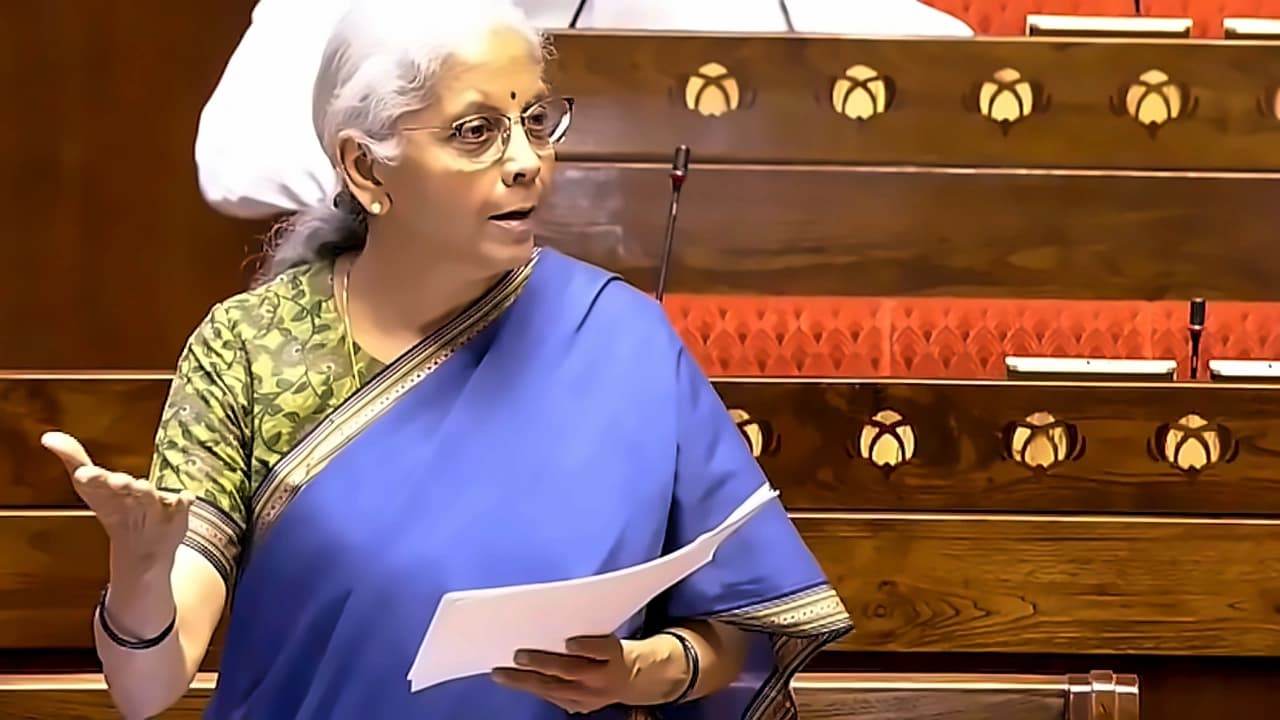
Finance Minister Nirmala Sitharaman chaired the 10th Pre-Budget Consultation in New Delhi on Monday, bringing together experts and stakeholders from the health and social sectors ahead of the Union Budget 2027-28. According to the Ministry of Finance, the consultation was attended by senior government officials including Secretaries from the Department of Economic Affairs (DEA), Ministry of Tribal Affairs, and Ministry of Health and Family Welfare, along with the Chief Economic Adviser to the Government of India. The meeting represents part of the government's exercise to seek inputs and suggestions from various stakeholders for the preparation of the upcoming budget, with the Union Budget 2027-2028 likely to be presented on 1 February 2027 in Parliament.
Health and social sector stakeholders highlighted critical needs for women entering the gig economy, including access to rest spaces and public toilets. They called for public transport to be safe, affordable and accessible for women, if not free, and suggested broadening the scope of the Nirbhaya Fund to include services for women and preventive measures beyond its current focus on security and surveillance. As reported by Business Standard, stakeholders noted that simply increasing the number of CCTV cameras was insufficient to make women feel safe. The consultation also addressed concerns about heritage and development, noting that work in historic city areas doesn't fall under any single ministry but falls between urban development and culture ministries, creating policy gaps.
Discussions on elderly care emphasized building mobility and care services, alongside capacity building and training standards for caregivers. According to Business Standard, stakeholders noted that while there was considerable focus on the youth dividend, India's population aged 60 and above is projected to cross 300 million by around 2047, the target year for Viksit Bharat. Healthcare industry representatives sought a ₹1 trillion financing facility to support hospital expansion and measures to encourage private-sector participation in healthcare infrastructure. They also called for relief from GST burden on hospitals and wider health insurance coverage for outpatient consultations and diagnostic tests.
Pharmaceutical industry representatives sought the restoration of the 200 per cent weighted tax deduction on research and development (R&D) expenditure, against the current 100 per cent deduction, to encourage domestic research and innovation. As reported by Business Standard, they called for steps to improve availability of active pharmaceutical ingredients (APIs) and other raw materials, strengthen domestic bulk drug manufacturing, and provide further support under the production-linked incentive (PLI) scheme for bulk drugs. The industry also sought a ₹5,000 crore fund to support medical technology innovation and a separate annual fund of ₹750 crore to promote medical tourism.
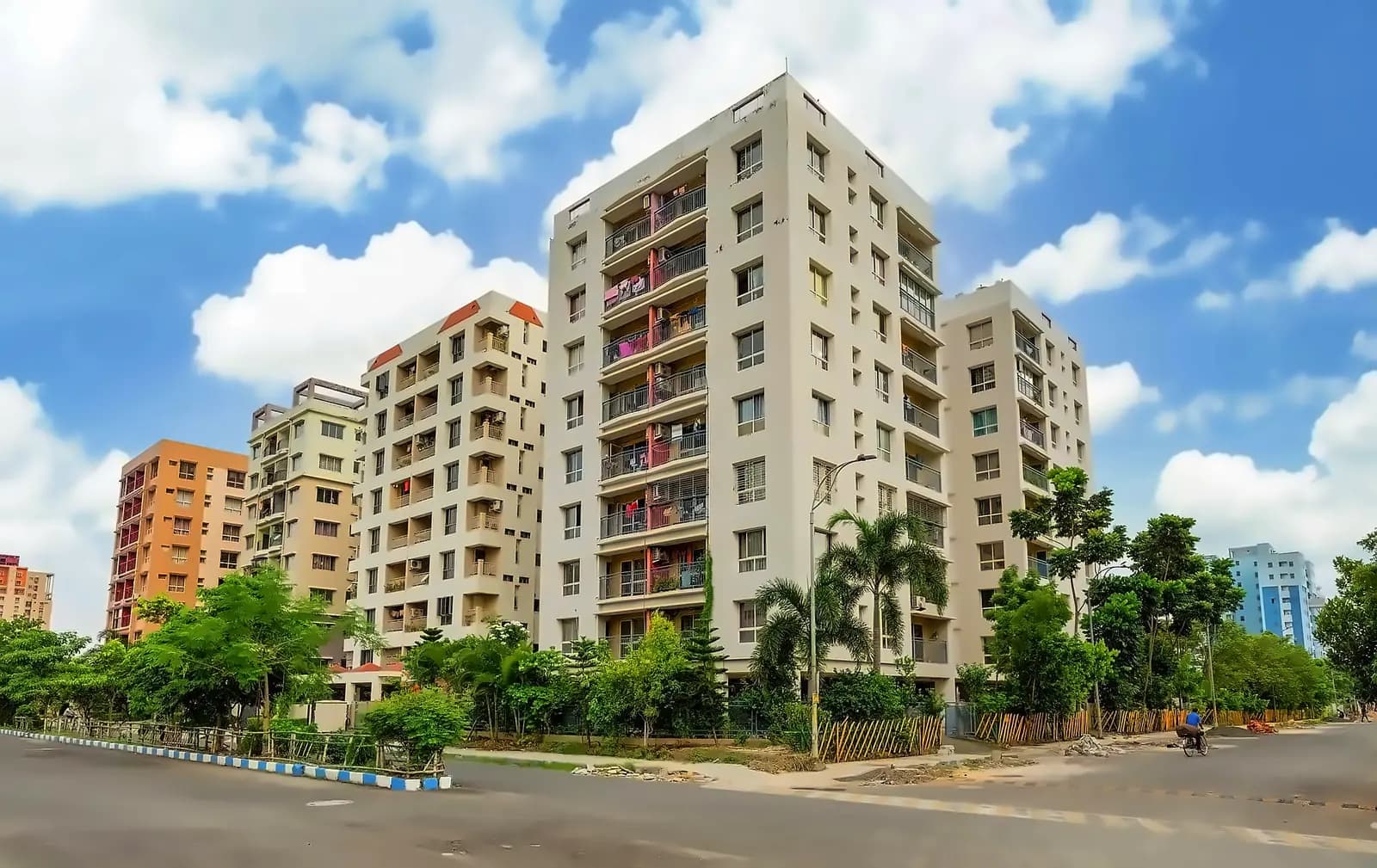
Discussions on housing development emphasized Transit-Oriented Development (TOD), rental housing, and affordable housing initiatives. As reported by Business Standard, TOD represents an urban planning approach that concentrates dense, mixed-use neighbourhoods around high-capacity public transport hubs. With cities positioned as future growth hubs leading up to 2047, several states have begun reworking their city master plans for better urban planning and managing unchecked urbanization.
The ₹1-trillion Urban Challenge Fund (UCF), announced in the 2025-26 Budget, shifts urban funding from pure grants toward market-linked, reform-driven and outcome-based projects. As reported by Business Standard, the scheme requires states to make urban projects bankable through organization of municipal accounts, credit ratings, and clear market-driven revenue models. The discussions come as the Finance Ministry continues its series of pre-Budget consultations with representatives from different sectors to gather recommendations and priorities for the next financial year.