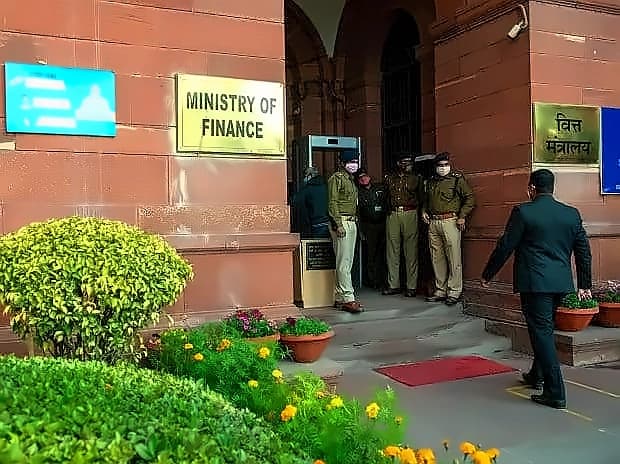
Finance Minister Nirmala Sitharaman presented her record ninth consecutive budget on Sunday, 1 February 2026, with the theme of cautious pragmatism amid global challenges. The budget sets an ambitious target of achieving a 10 per cent global share in services beyond software, extending to content creation, design, health and tourism. Total spending is budgeted to rise to ₹53.5 trillion, up 7.7 per cent over revised estimates, while revenue (excluding borrowings) is projected at ₹36.5 trillion, up 7.2 per cent. The fiscal deficit is budgeted at 4.3 per cent of the GDP, consistent with the promise of staying below 4.5 per cent. As per The Times of India, she stated the Centre would continue following a path of fiscal prudence while stepping up non-tax revenue mobilisation, emphasising the government is "active and responding to evolving situation".
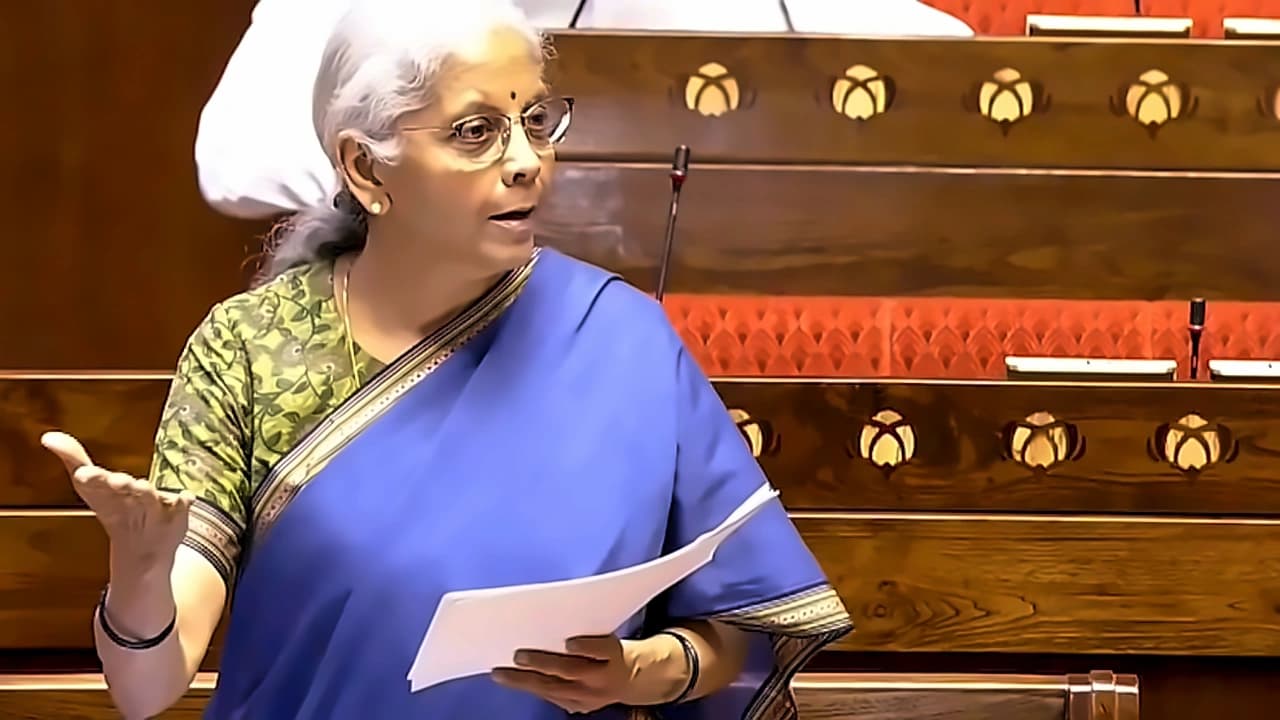
Addressing the Middle East crisis impact, Sitharaman highlighted India's measured response to global supply disruptions. As reported by The Times of India, she noted that while several countries have raised motor fuel prices by 20–50 per cent in response to global supply disruptions, India has kept petrol and diesel prices unchanged. Earlier in the day, the government reduced excise duty on petrol and diesel by ₹10 per litre each to ensure that oil marketing companies do not pass on higher costs to consumers. This contrasts sharply with Pakistan's situation, where petrol is now being sold at 321 Pakistani rupees per litre following a 200% increase in high-octane fuel prices.
Dismissing speculation around a possible lockdown in India, Sitharaman called such claims "baseless and aimed at creating fear" in the public. According to The Times of India, she questioned "Where is this lockdown happening? It is happening in Pakistan, not in India" and emphasised that "There is no possibility of a lockdown in India. Such rumours should be stopped." She referenced Pakistan's situation where smart lockdowns have been announced in Sindh province and schools have been shut for two weeks, while government offices have shifted to a four-day workweek and private offices have been advised to move 50% of their staff to work from home.
The budget faces significant challenges with tepid revenue buoyancy, as the Centre's gross tax revenues grew only 3.3 per cent in April-November FY26, far below the 10.8 per cent growth assumed for the full year. According to The Times of India, capital spending on infrastructure is budgeted to rise by 9 per cent and reach ₹12.2 trillion, maintaining the capex bias while keeping high-quality capex to avoid crowding out private investment. However, long bond interest rates remain stuck at 7 per cent despite substantial RBI easing, creating a deterrent to private capex. The budget also missed a crucial reform opportunity by not fixing GST input tax credits for capital goods, which remain trapped for years and discourage capacity expansion.
The Rajya Sabha returned the Finance Bill to the Lok Sabha by voice vote, completing the budgetary exercise for the financial year beginning April 1. As reported by The Times of India, this concludes the legislative process for the Union Budget. The Finance Bill, 2026 represents the government's fiscal framework for the upcoming financial year amid ongoing global challenges and domestic economic considerations, with the government maintaining its commitment to "fiscal prudence as in past" while keeping the government fiscal stance carefully managed.