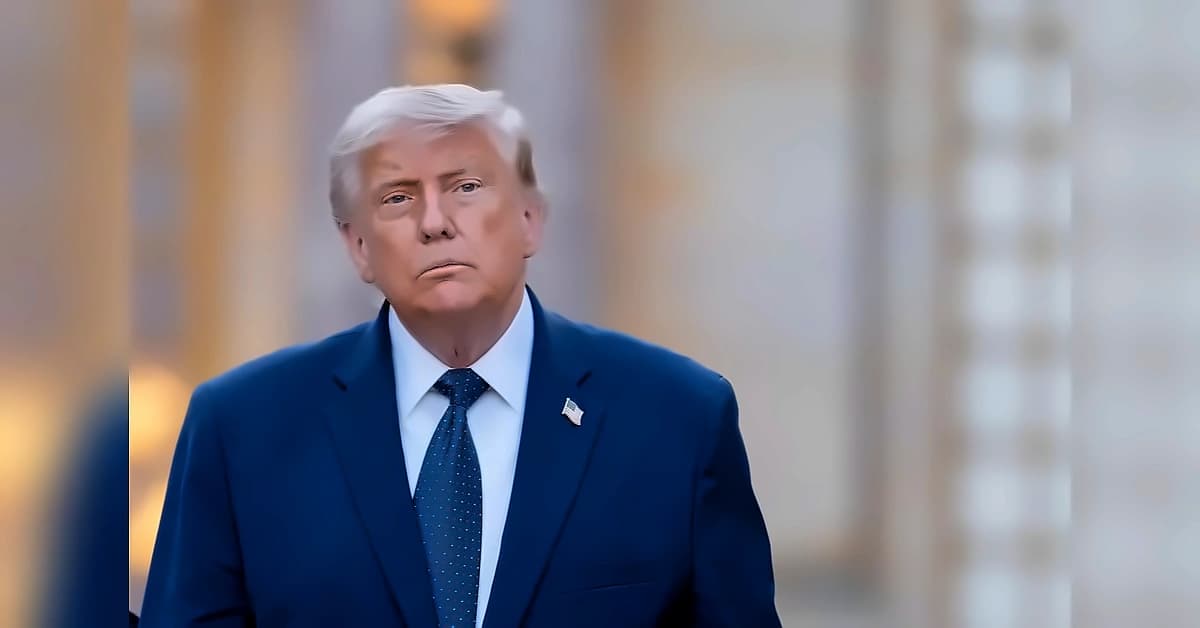
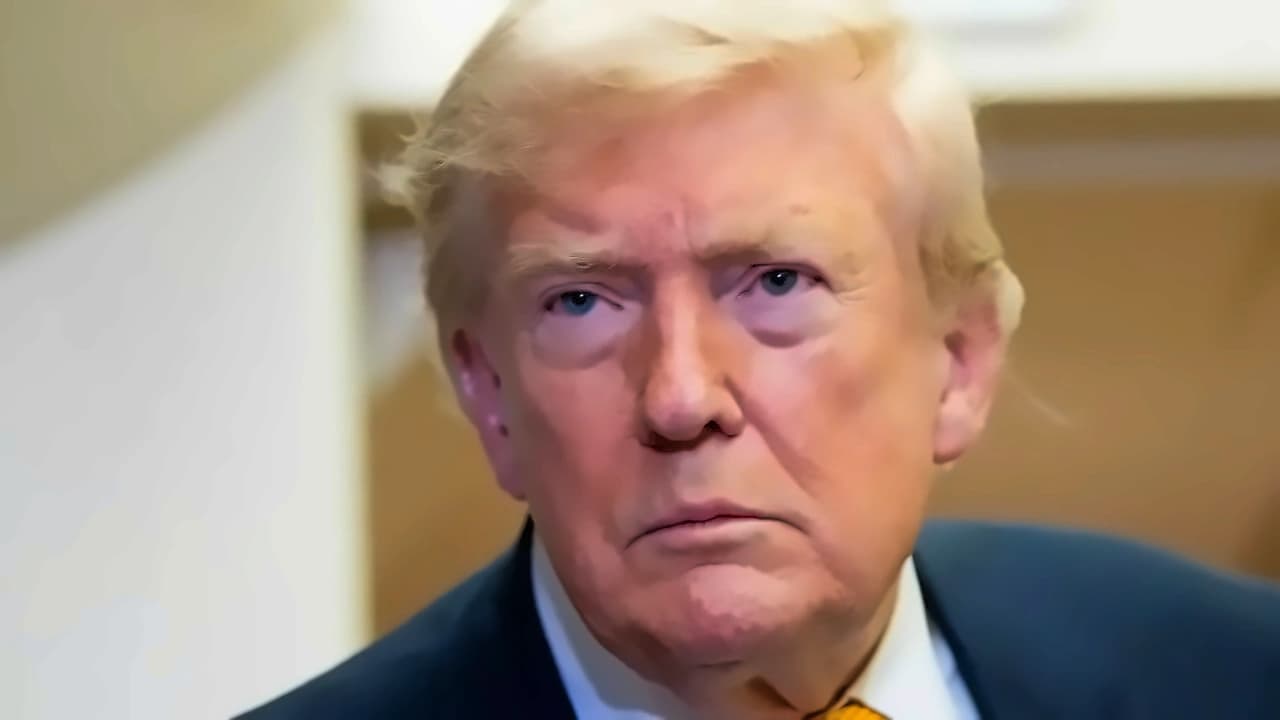
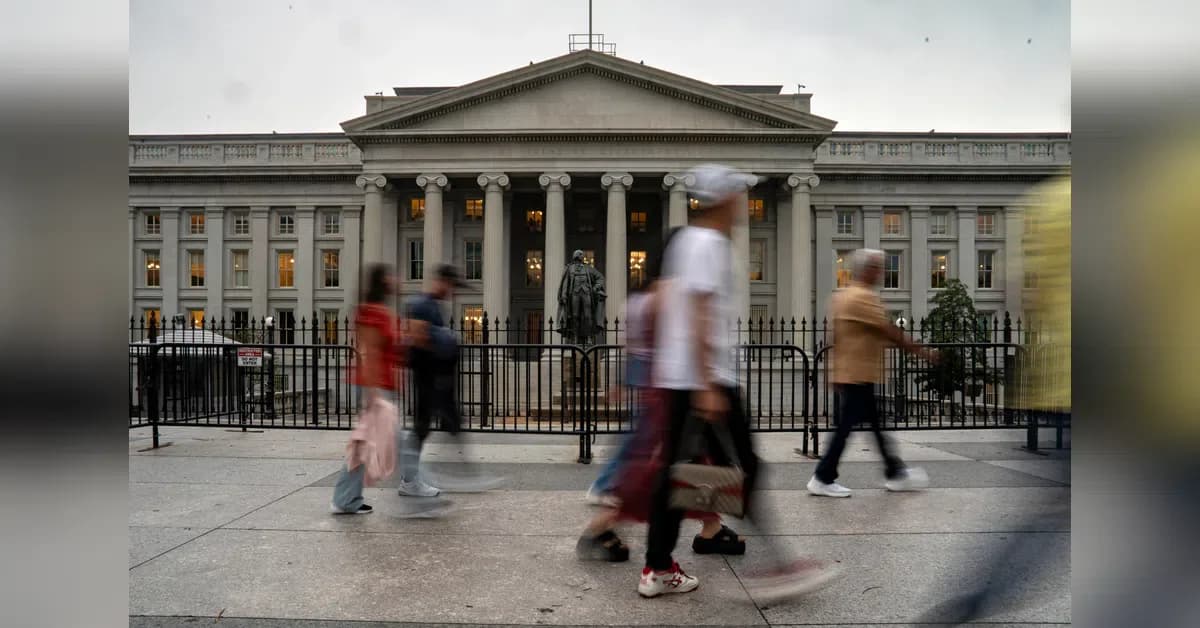
US President Donald Trump signed an executive order on Tuesday directing banks and financial regulators to examine 'red flags' linked to customers' immigration and citizenship status as part of a broader crackdown on undocumented immigration. According to the White House, Associated Press and Reuters reports, the order is titled 'Restoring Integrity to America's Financial System' and asks financial institutions and regulators to tighten monitoring for suspicious patterns linked to illegal immigration, payroll tax evasion and hidden account ownership structures. "My Administration will not tolerate national security and public safety risks caused by illicit cross-border financial activity, nor will it permit risks to our financial system posed by the extension of credit or financial services to the inadmissible and removable alien population," Trump stated in the order. The administration is seeking to combat improper payments, money laundering, and financial fraud by modernizing how federal agencies verify identities and process transactions, with officials noting the federal government loses hundreds of billions of dollars annually to fraud and payment errors.
The executive order requires banks to more closely examine customers' citizenship and immigration status as part of expanded payment verification procedures. Under the directive, federal agencies will be required to share more payment and account data with Treasury to improve fraud detection systems and identify suspicious transactions before federal funds are distributed. The order also calls for reducing the number of Non-Treasury Disbursing Offices -- agencies that independently issue federal payments -- and consolidating financial management systems under Treasury oversight to improve transparency and accountability. Treasury Secretary Scott Bessent recently said "there should be stricter rules" to open bank accounts, questioning "Why can the unknown foreign nationals come and open a bank account?" The administration's focus on low-dollar cross-border funds transfers addresses concerns that such transfers have been used to facilitate terrorist financing, narcotics trafficking, human trafficking, and other illegal activity, with financial trend analyses uncovering hubs of deadly fentanyl-related financial activity in the United States related to Mexico-based cartels.
The executive order does not require all bank customers to submit passports or immigration documents compulsorily — an earlier proposal that reportedly faced resistance from the banking industry. Instead, the administration has opted for a risk-based scrutiny framework that directs banks and regulators to look for specific indicators including use of Individual Taxpayer Identification Numbers (ITINs) instead of Social Security Numbers, off-the-books wage payments, payroll tax evasion, concealed ownership of accounts, and potential labour trafficking indicators. The White House stated the order aims to prevent misuse of banking channels by people living in the country without legal status, with the administration noting that "Robust customer identification programs and enhanced due diligence measures are necessary to mitigate these risks." A study by the left-leaning Urban Institute estimated that between 5,000 and 6,000 mortgages were issued to customers with Individual Taxpayer Identification Numbers (ITINs). These ITINs are typically used by undocumented workers in place of a Social Security Number, with banks reportedly being highly reluctant to lend to individuals with ITINs.
The Indian-origin community in the US largely comprises professionals on H-1B and L-1 visas, employment-based green card holders, students and naturalised citizens, with experts indicating this group is not the primary target of the order. However, recent immigrants with incomplete documentation histories, individuals using ITINs instead of Social Security Numbers, dependents whose visa or immigration status is under review, and people with complex cross-border money transfers may face additional scrutiny. Indian nationals who recently moved to the US, changed visa categories, or are awaiting immigration approvals may also experience stricter compliance checks from banks. Immigration advocates have previously said any order that would order banks to collect citizenship information would likely result in undocumented immigrants moving out of the financial system, increasing the number of "unbanked" individuals, potentially affecting the broader immigrant community beyond the specific targets.
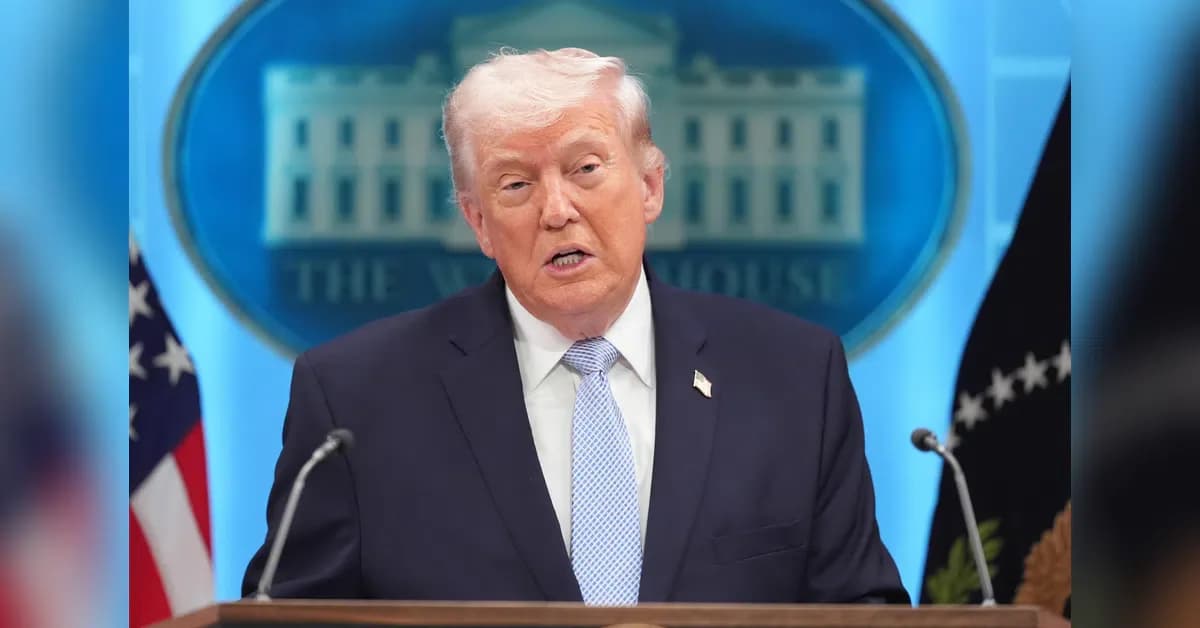
Earlier drafts of the proposal had considered mandatory citizenship verification for all account holders, including existing customers, but banking industry groups and Wall Street firms reportedly pushed back for months, arguing such measures would be expensive and require vast amounts of paperwork. The final order stops short of a blanket verification system but still signals a tougher compliance environment for banks. Financial institutions may gradually tighten internal compliance standards after further guidance from the Treasury Department and financial regulators, potentially leading to additional documentation requests, closer verification of tax records, enhanced scrutiny of large or irregular transactions, and more compliance checks during account opening or loan applications. The banking industry had been aggressively lobbying for months to stop the White House from issuing an order that would have made collecting customers' citizenship status mandatory, with industry officials questioning "Why can the unknown foreign nationals come and open a bank account?" The White House has taken other measures to discourage undocumented workers from using the financial system, including reclassifying certain refundable tax credits as "federal public benefits," which bars some immigrant taxpayers from receiving them.