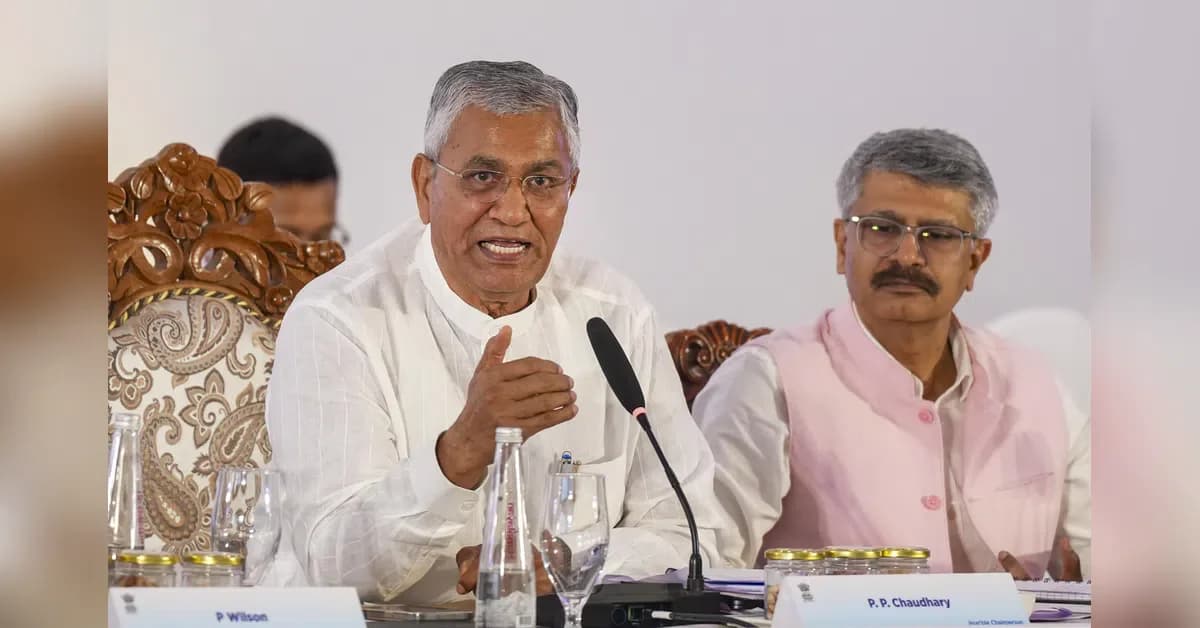
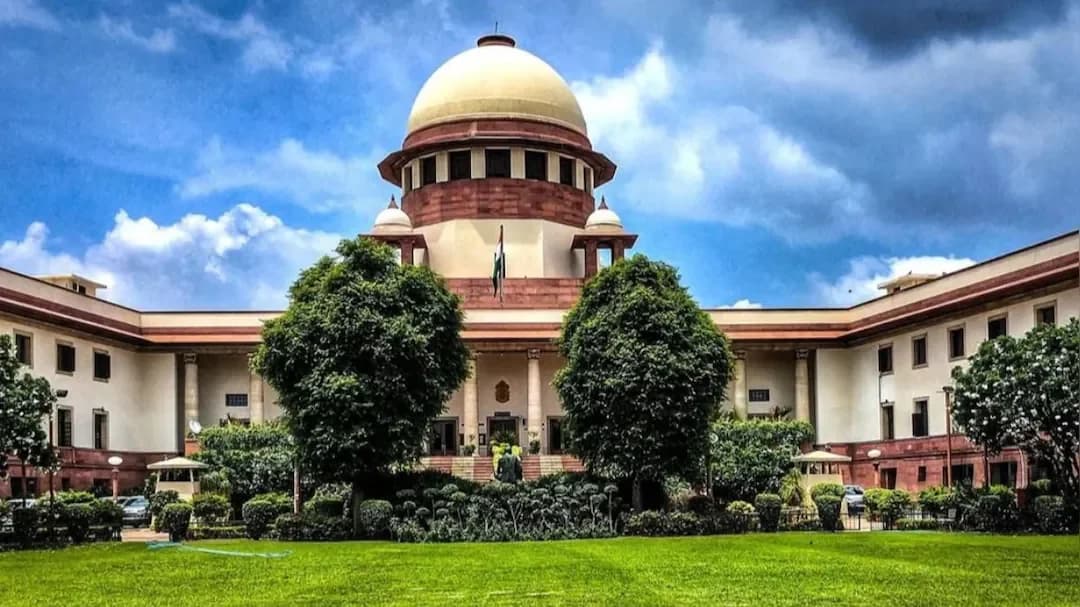
President Droupadi Murmu has promulgated the Supreme Court (Number of Judges) Amendment Ordinance, 2026, increasing the sanctioned strength of the apex court from 33 to 37 judges, excluding the Chief Justice of India. According to reports from Business Standard, this expansion comes as the court faces persistent challenges in managing its caseload effectively. The gazette notification dated May 16, 2026 clarified that Parliament was not in session and that the President was satisfied that circumstances existed requiring immediate executive action, with the ordinance coming into force immediately upon promulgation.
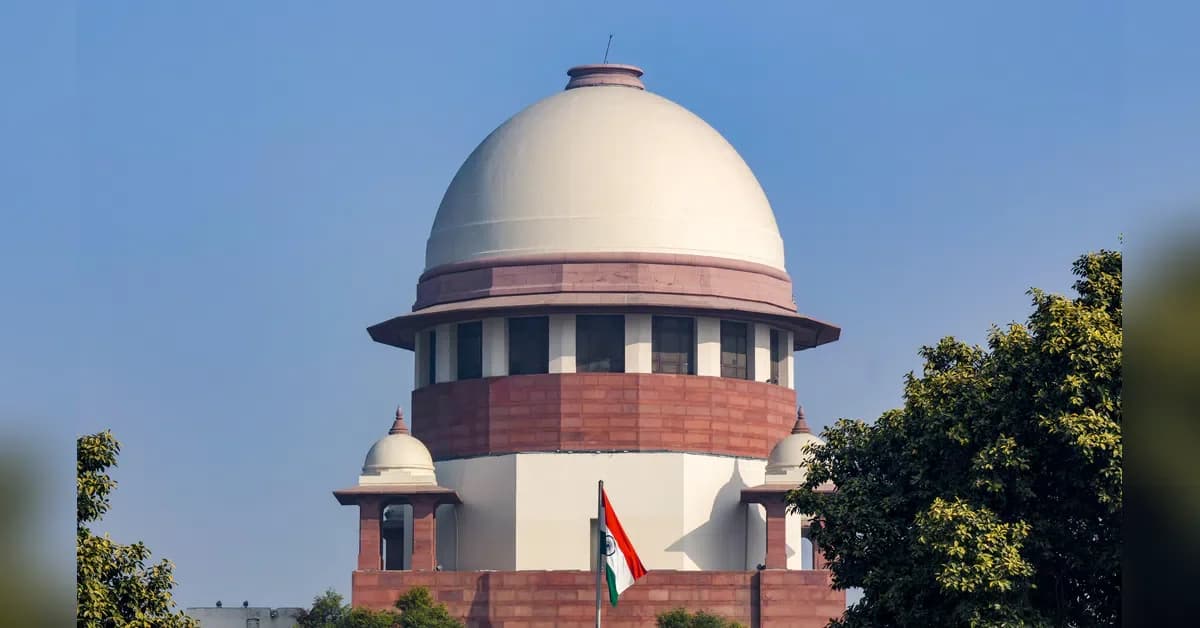
The move addresses mounting concerns over the court's ability to manage its caseload effectively, with data showing that every major expansion in judicial strength over the decades has been accompanied by rising pending cases. As reported by Business Standard, the substantial backlog remains a significant challenge despite the increased judicial capacity. However, experts argue that the problem confronting the Indian judiciary is far deeper and more structural than a simple shortage of judges. The challenge extends beyond numerical expansion to encompass the Court's expanding appellate burden, procedural delays, and the need for comprehensive institutional reforms.
Simply increasing the sanctioned strength of judges cannot guarantee faster justice delivery, as the assumption that appointing more judges will automatically solve judicial pendency is overly simplistic. The real concern lies in the structural and procedural framework within which the Supreme Court operates, where methods of case management and judicial administration have not evolved at the same pace as the Court's workload has expanded enormously. Experts emphasize that what India truly needs is not simply an increase in the number of judges, but a fundamentally redesigned and modernised judicial architecture that addresses procedural delays, excessive admissions, and case management inefficiencies.
Critical reforms include the introduction of stricter scrutiny mechanisms for SLPs to ensure only cases of genuine legal significance reach the Supreme Court, and the creation of regional benches across various parts of the country to improve access to justice and reduce litigation concentration in Delhi. Additionally, there is an urgent need for integration of modern technology into judicial processes through digital case management systems, AI-assisted scheduling tools, and strengthening alternative dispute resolution mechanisms such as mediation and arbitration. These technological tools can significantly reduce administrative delays and improve coordination among benches.