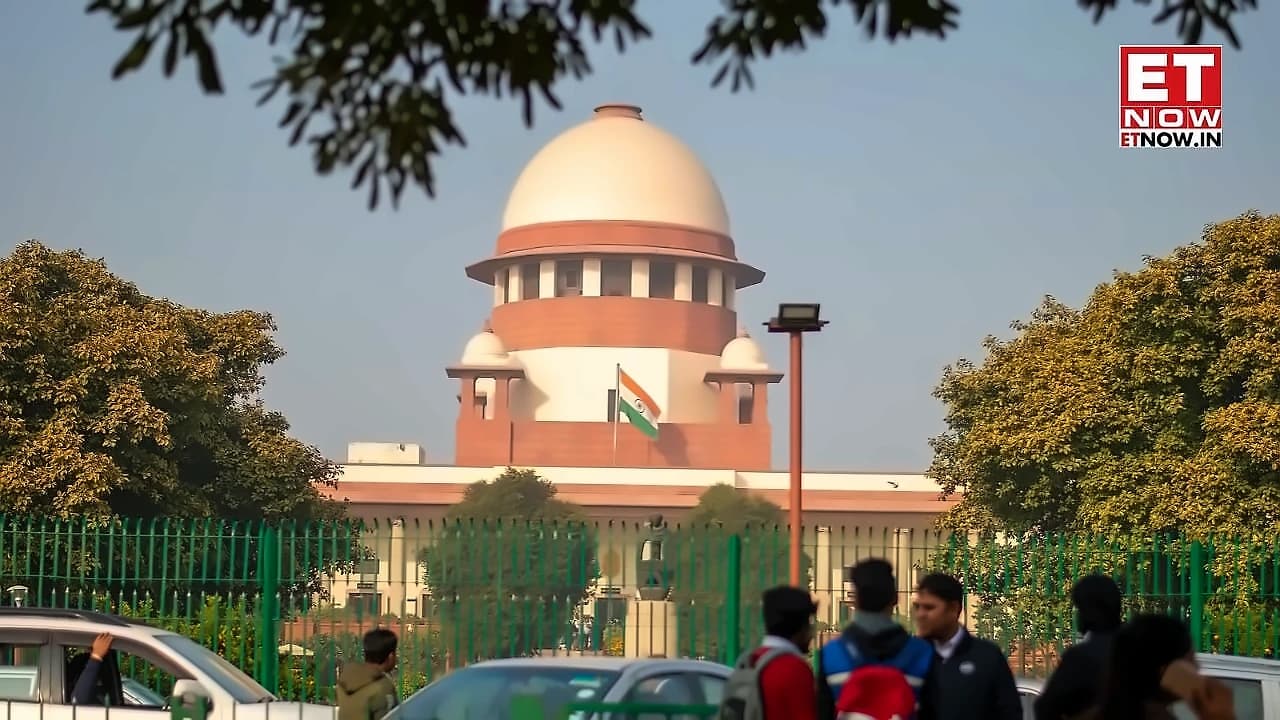
The Ministry of Corporate Affairs (MCA) has responded to Supreme Court criticism by clarifying its limited role in NCLT appointments. A day after the Supreme Court's observation on the ministry's role in the National Company Law Tribunal and appellate tribunal, the ministry on Friday said it only performed "administrative" role in conducting the appointment process for the 63 judicial and technical members of the National Company Law Tribunal (NCLT). This clarification comes after the Supreme Court delivered scathing criticism of the MCA on Thursday, orally stating that the MCA has completely hijacked the National Company Law Tribunal and its appellate body, NCLAT. The ministry's statement represents a defensive response to the court's accusations of complete control over the tribunal system.
Senior advocate Meenakshi Arora, representing contractual employees, argued that the court should decide the matter and that people who have been working for a considerable length of time should not be removed overnight. As reported by Press Trust of India, Arora stated that in all likelihood, existing staff will be required to leave and appointments will be made by this independent private company on November 1 or 2. She highlighted that these employees have worked for six years and have certain rights, even on a contractual basis, and noted that contractual appointments by the MCA do not entitle them to HRA or DA benefits. Arora submitted that the NCLT recruitment rules provide for regularisation and that the recruitment advertisement also mentioned it, arguing that termination would be extremely arbitrary and violate Articles 14 and 16. The court declined to grant interim protection to the employees solely on the basis of their length of service, stressing that appointment powers should rest with the tribunal's president.
Chief Justice Surya Kant expressed his strong disapproval of contractual appointments, sharing his experience of an incident in Bombay where contractual employees ran away with the original report and FIRs had to be registered. According to Press Trust of India and Business Standard, the CJI stated that contractual employees do not care about the judicial member or the technical member, and that technical members are still manipulating certain things. He emphasized that contractual employees are harassing judicial members and advocated for their removal along with the disbanding of the private company. The CJI said he did not approve of contractual appointments and added that complete autonomy must be with both presidents of NCLT and NCLAT. The bench questioned whether contractual employees who had not undergone competitive recruitment could claim regularisation or a right to continue in service, referring to instances where judicial records had allegedly been removed and criminal cases registered against certain contractual employees.
The Supreme Court was informed of severe infrastructure and staffing challenges facing the NCLT system. As reported by Business Standard, only 67 of the NCLT's 320 sanctioned regular administrative posts had been filled, leaving 253 vacancies. Additionally, 16 posts among judicial and technical members were vacant. Senior advocate Sanjiv Sen, appearing for the NCLT Bar Association, highlighted the deteriorating condition of the tribunal's principal Bench in Delhi, stating that the roofs are collapsing, 8th floor of the Principal Bench has been shut down, 7th floor has been shut down, two floors have been shut down, and all courts are functioning at half strength. The bench suggested that experienced government officials could initially be appointed on deputation, followed by recruitment through a phased process.
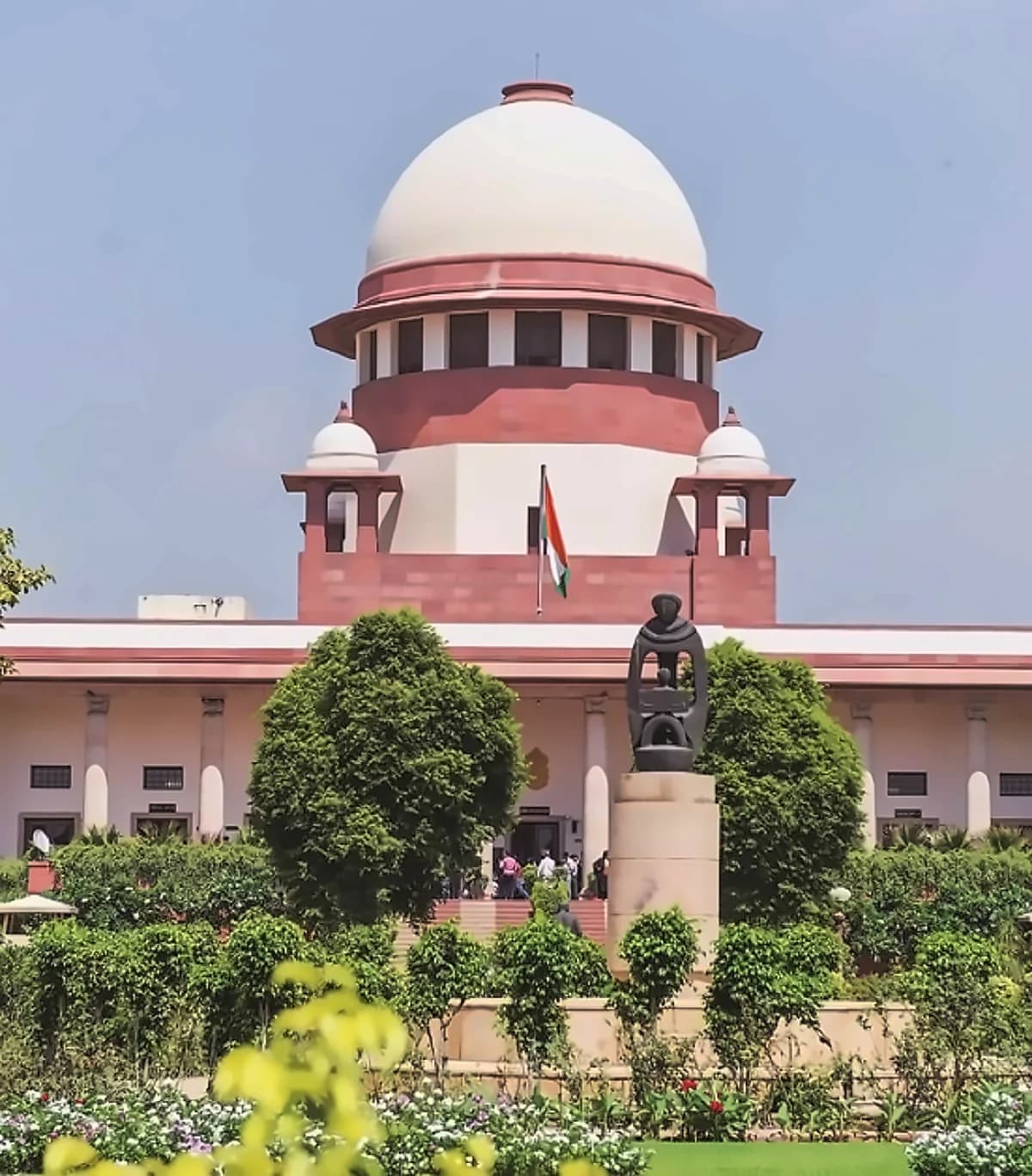
The Supreme Court issued clear directives for restoring tribunal autonomy, stating that the power to appoint tribunal staff must rest with the NCLT President rather than the ministry or private contractors. As reported by Business Standard, the bench observed that "We will not allow your people to continue, we will not allow these private contractors to continue. Let the reference come from the NCLT President. The entire power of appointment must be with the President only." The court also questioned the outsourcing of administrative recruitment to a private company, raising concerns about staff recruitment, vacancies and inadequate infrastructure. The bench emphasized that complete autonomy must be with both presidents of NCLT and NCLAT and that this company also be disbanded. The court asked the presidents of the NCLT and NCLAT to submit proposals detailing their infrastructure, staffing and administrative requirements within four weeks, and urged the Union government to provide basic amenities to the tribunals at the earliest.