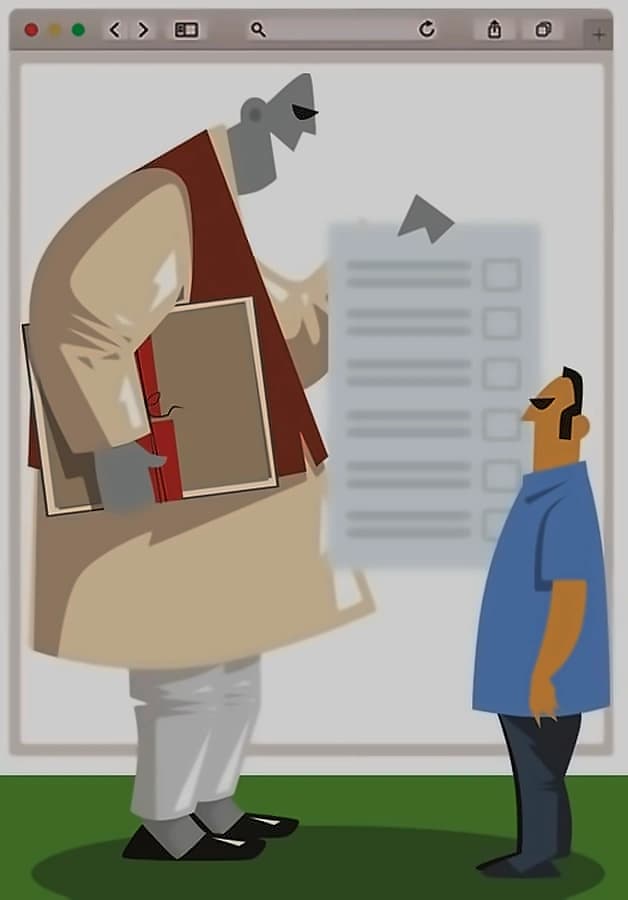
The labour code implementation timeline is advancing with Gujarat opening its online registration portal on August 25, 2026, requiring establishments with 10 or more workers to obtain mandatory registration through the Shram Setu portal. As reported by KPMG, new establishments must apply within 60 days of becoming covered, while existing establishments have 180 days to update their registration. This development comes as ten states have already published their rules, while the remaining states and Union Territories have issued draft rules for consultation, with the October 31, 2026 deadline for all states to complete their rule notifications.
The new framework has substantially reduced compliance requirements for employers, according to a report by Grant Thornton Bharat. As reported by Business Standard, the number of rules fell from 1,436 to 351, while returns decreased from 31 to a single consolidated return. Forms declined from 181 to 73 and registers dropped from 84 to eight. The four labour codes, which replaced 29 central labour laws, came into force in November 2025 and the Centre notified the rules in May 2026. Recent developments show multiple states have issued final rules, with Andhra Pradesh, Rajasthan, and Ladakh among those publishing comprehensive rule sets.
Several states have implemented significant changes to their labour code frameworks. Karnataka published the Karnataka S&E (Amendment) Bill, 2026 on August 24, 2026, proposing exemption from registration for establishments employing 10 or more workers that are already registered under the OSHW Code, 2020. Bihar notified its Risk-Based Classification of Establishments Scheme, 2026 on August 31, 2026, classifying establishments as High Risk, Medium Risk, or Low Risk based on risk parameters and compliance history. Karnataka also issued wage thresholds for bonus eligibility, with employees drawing up to ₹21,000 per month eligible to receive bonus as specified under the Code on Wages, 2019.

The government is developing a Labour Stack model to integrate worker databases and government welfare scheme information. As reported by Business Standard, Kumar announced that a pilot of the Labour Stack is expected within 15 days, after which the government plans to test it in at least one state or Union Territory before expanding further. The system aims to enable different databases and schemes to communicate with each other, helping identify workers receiving benefits and gaps in social security coverage.
The government has approved 200 modern career lounges to provide employment guidance, of which 40 are expected to become operational during the current financial year. According to Business Standard, these will be in addition to the 407 career lounges already operating across the country. Kumar urged industry to utilize the National Career Service portal more extensively for posting vacancies and connecting employers with jobseekers, emphasizing that wider industry participation would strengthen the platform's role in employment facilitation.