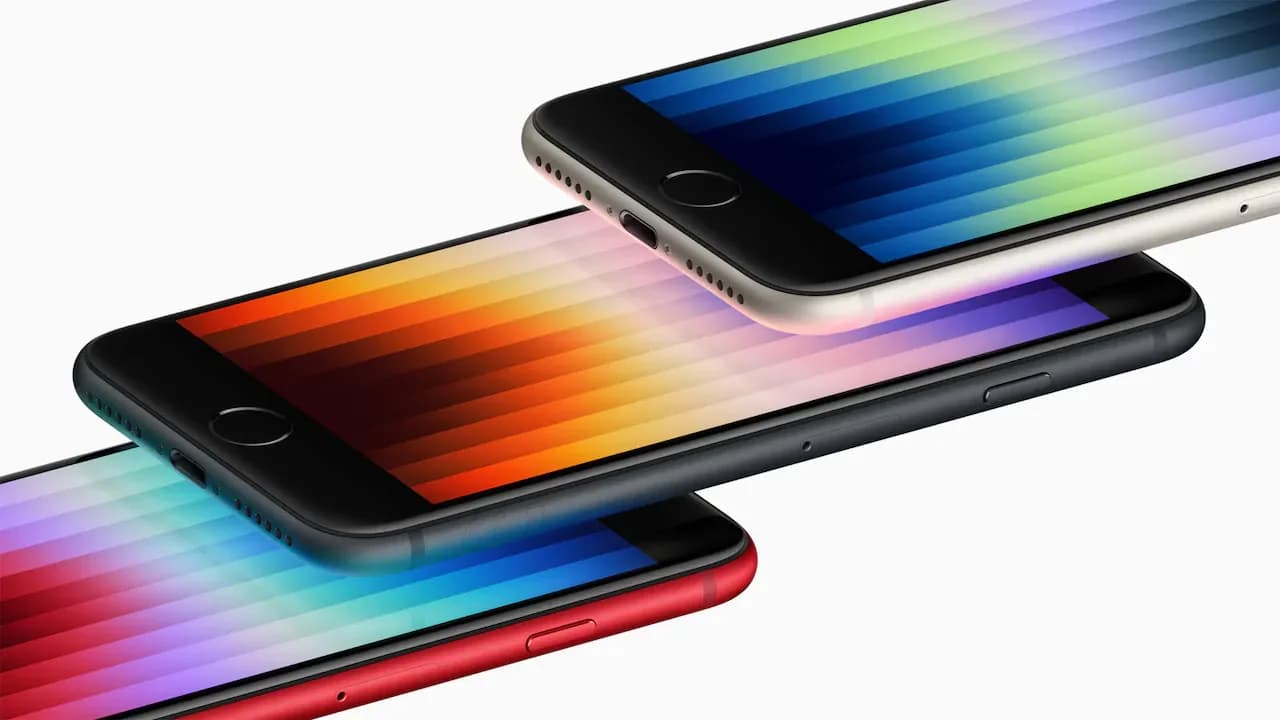
India's smartphone industry has made a formal request to the government for significant GST reduction on mobile phones. According to reports from Business Standard, the India Cellular & Electronics Association (ICEA) has written to Finance Minister Nirmala Sitharaman and Electronics and Information Technology Minister Ashwini Vaishnaw, seeking a reduction in the Goods and Services Tax rate from 18% to 5%. The industry body has requested that this proposal be placed on the agenda of the next GST Council meeting, arguing that a lower GST rate could help bring down handset prices, revive weak domestic demand and support the next phase of India's smartphone manufacturing growth. ICEA has made two representations dated September 2 and September 3, urging both ministers to take up the proposal at the next meeting of the GST Council. As per Business Standard, ICEA chairman Pankaj Mohindroo emphasized that this imbalance will constrain the next phase of manufacturing growth unless India restores momentum in its domestic market.
Market research firms have estimated that India's smartphone shipment volume may decline by as much as 8-15% in calendar year 2026 to nearly 136-138 million units, as reported by ETElectronicsWorld. This projected decline comes as the industry faces significant pricing challenges with entry-level handset prices increasing by around 35-45% over the past year, as reported by PTI. ICEA highlighted that smartphones priced below ₹10,000 now account for less than 5% of industry supply, indicating a dramatic shift in market dynamics and affordability challenges for consumers in the entry-level segment. The combination of higher component costs and elevated handset prices has made affordable smartphones increasingly difficult to access for consumers, with the impact particularly visible in the entry-level segment. ICEA said the pressure is particularly significant for first-time smartphone buyers, rural consumers and lower-income households, arguing that a reduction to 5% GST would lower the upfront cost of devices and encourage replacement purchases.
The industry is grappling with unprecedented component cost increases, with mobile DRAM and NAND flash prices increasing roughly fourfold since September 2025, as reported by PTI. This sharp increase in memory costs, combined with elevated handset prices, has made affordable smartphones increasingly difficult to access for consumers. The sharp increase in memory prices, in particular, has become a concern as AI data centres compete for memory and other semiconductor components, with higher input costs being reflected in handset prices. ICEA said manufacturers can absorb only part of the increase in memory costs, leaving consumers to bear the rest. At an 18% GST rate, every ₹1 of additional pre-tax handset cost results in another 18 paise in GST, according to the association. The industry body said that industry data indicate that mobile storage chips DRAM and NAND flash prices have increased roughly four-fold since September 2025 as rising demand from AI data centres has absorbed global memory capacity and reduced the supply available for consumer electronics.
ICEA has linked the GST reduction request to India's ambitions of becoming a major global electronics manufacturing and export hub, as reported by PTI. While India's mobile-phone exports have expanded significantly in recent years, the industry body has flagged weak domestic consumption as a growing concern for the industry's next phase of growth. The association argues that stronger domestic demand would complement India's export-led manufacturing push and help sustain the expansion of the mobile-phone ecosystem. ICEA wants a larger home market to provide manufacturers and suppliers with more predictable production volumes and support investment in component manufacturing, product development, distribution and after-sales services. The industry body believes a reduction in GST could provide some relief to consumers by lowering the tax burden on handsets and helping manufacturers address affordability concerns. As per PTI, Mohindroo emphasized that a lower tax rate will reduce the price advantage available to grey-market and informal sellers, noting that iPhones are made in India but sold at exorbitantly higher prices in the country mainly due to higher taxes and a dip in the value of the rupee. Recent data shows that iPhones 18 series and iPhone Duo are around ₹40,000 to ₹1.15 lakh cheaper in the US than in India. The 57th GST Council meeting will be held on October 7 after it was postponed due to BRICS Summit in New Delhi.
The proposed GST reduction could have a broader impact on the sector by improving smartphone affordability, reviving consumer demand and increasing smartphone adoption, according to PTI. A reduction from 18% to 5%, if approved, would represent a significant change in the tax treatment of mobile phones and could potentially make smartphones more affordable at a time when the sub-₹10,000 segment has shrunk to a small share of the market. ICEA argues that a GST cut need not necessarily translate into a proportionate loss of government revenue, citing higher handset sales, greater formalisation of grey-market purchases and recurring GST collections from mobile data, subscriptions and digital services could offset part of the initial reduction. The industry hopes that lower tax rates can provide relief to both consumers and manufacturers facing the difficult combination of rising component costs and weaker affordability. As per PTI, Mohindroo said that the increase in GST on mobile phones from 12% to 18% in April 2020 raised the price of the principal device used for digital access, but more purchases will consequently move through authorised and tax-compliant channels, broadening the formal tax base and improving transaction visibility. The association had also argued that the 18% rate was inconsistent with the principles followed when GST was introduced in 2017, noting that mobile phones were initially placed in the 12% GST slab as a transitional measure before the rate was raised to 18% in 2020.