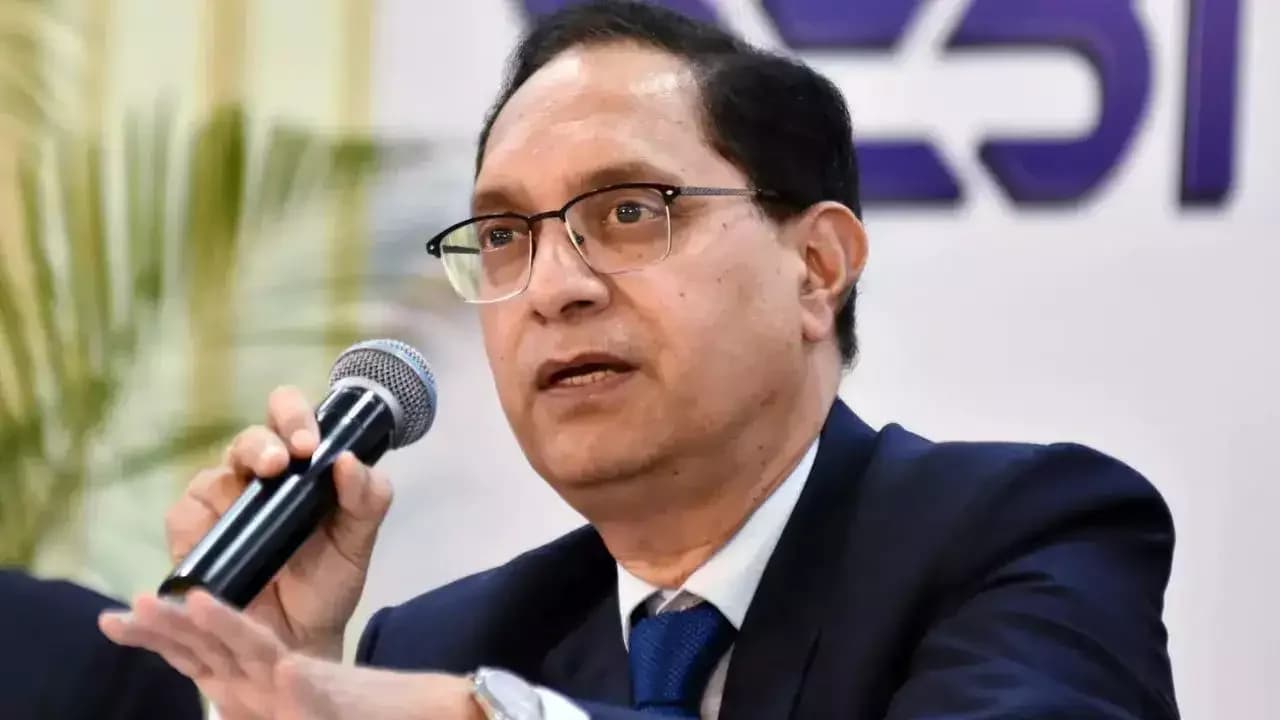
Markets regulator SEBI is targeting a dramatic reduction in Foreign Portfolio Investor (FPI) onboarding time from several months to as little as five business days through digital workflows and system integration, according to Chairman Tuhin Kanta Pandey. Speaking at the 17th Capital Markets Conference organised by ASSOCHAM, Pandey announced the regulator's plan to remove the additional disclosure framework for FPIs, bringing India's regulatory framework closer to global standards. Over the past few months, SEBI has implemented several measures to ease compliance burden for FPIs. As per Live Mint, Pandey emphasized that as the economy grows, financing needs change, investor expectations evolve, and technology opens new possibilities, requiring markets and their regulation to keep pace.
Under the SWAGAT-FI (Single Window Automatic and Generalised Access for Trusted Foreign Investors) initiative, around 740 FPIs, accounting for nearly 17 per cent of FPI assets under custody, have registered. As reported by SEBI, this initiative provides trusted, low-risk FPIs with single-window access, simpler compliance and longer KYC review cycles. The regulator has also proposed removing the additional disclosure framework for FPIs, which will further streamline the onboarding process. Live Mint reports that SEBI will further ease access for global investors by digitizing FPI onboarding and proposing to remove the additional disclosure framework for these investors.
Chairman Tuhin Kanta Pandey emphasized that shutting down the Futures and Options (F&O) market is not the right approach, instead advocating for deepening the segment to balance regulation with market growth. Speaking at CNBC Awaaz's Market Mahakumbh Summit, Pandey stated that market regulation should ensure caution while allowing markets to grow without many impediments. The regulator is actively working on the Pre-IPO market and advocates for Long-Term Futures and Options to be available. After NSE's recent listing, Pandey highlighted that competition and cooperation between BSE and NSE are important for market development.
On the regulatory front, SEBI is undertaking a comprehensive review of the Listing Obligations and Disclosure Requirements (LODR) framework to eliminate duplicative disclosures in filings with the Ministry of Corporate Affairs (MCA). The regulator also plans to replace multiple stock exchange fines for the same compliance lapse with a single penalty. Additionally, SEBI is simultaneously reviewing the Issue of Capital and Disclosure Requirements (ICDR) framework, which governs initial public offerings, follow-on public offerings, preferential issues and qualified institutional placements. The review will also cover the SME IPO framework and the Innovators Growth Platform. For stock brokers, the regulator is exploring a graded compliance framework under which regulatory obligations would be aligned with a broker's scale, client exposure and dependence on technology.
Highlighting the growth of India's capital markets, SEBI Chairman Tuhin Kanta Pandey reported that companies raised around ₹9 lakh crore through equity and debt in the first seven months of the current financial year. According to the regulator, 235 IPOs have collectively raised approximately ₹1.45 lakh crore, while more than ₹5 lakh crore has been mobilised through corporate bonds. As per Live Mint, the country's equity market is now worth over ₹500 trillion, more than 130% of gross domestic product (GDP). This substantial fundraising activity demonstrates the robust growth in India's capital markets. Outstanding corporate bonds stand at about ₹62 trillion, while more than ₹5 trillion has been raised through corporate bonds so far this fiscal year.