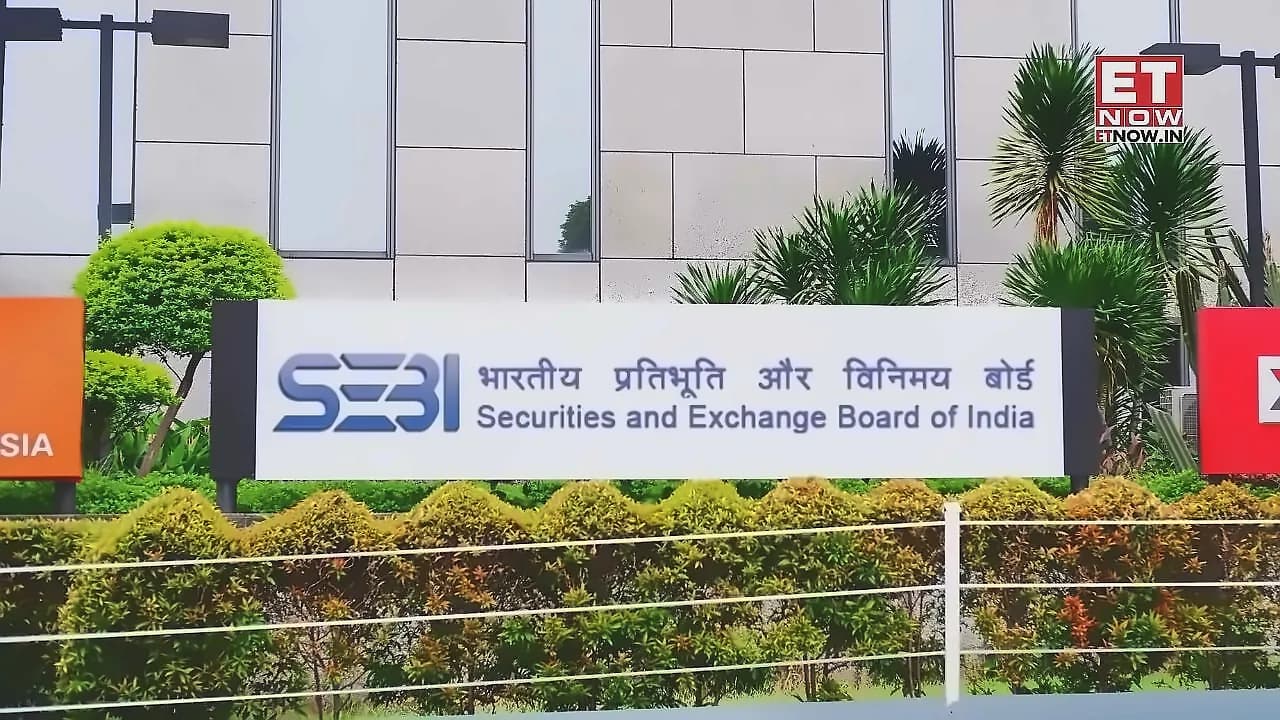
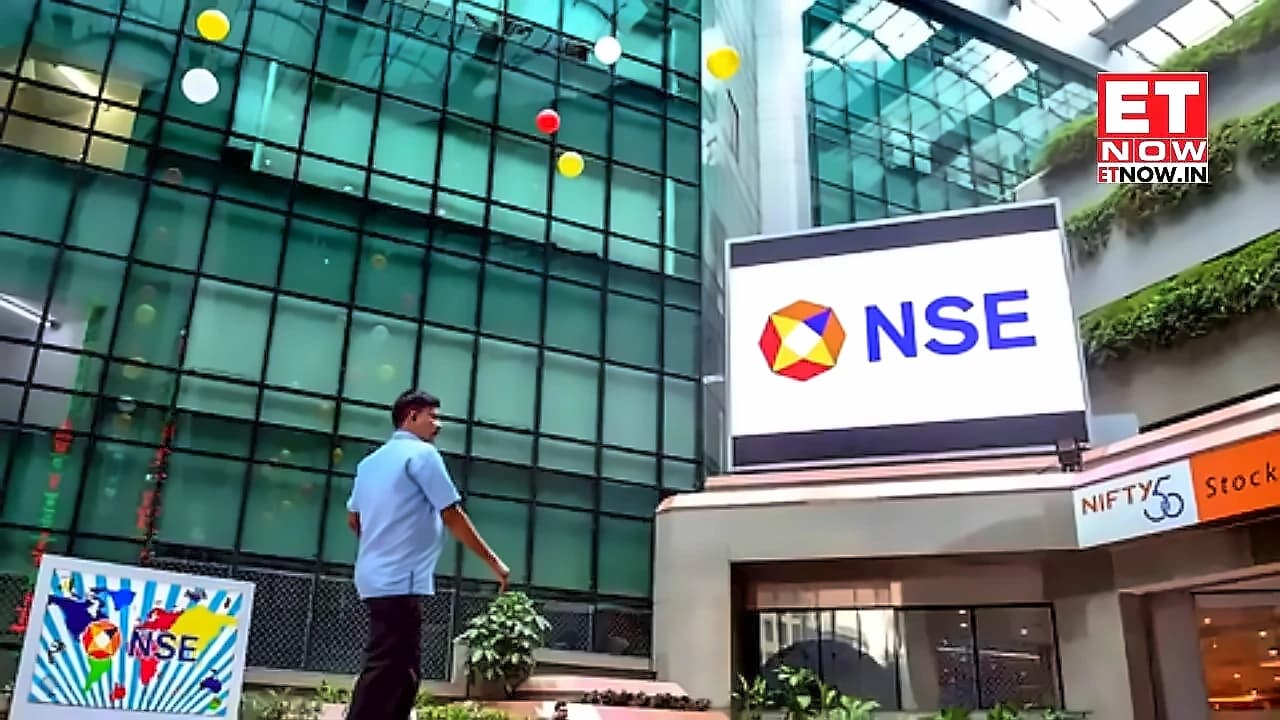
SEBI has received over 20,000 comments on its consultation paper seeking views on proposed changes to the Closing Auction Session (CAS) mechanism, significantly higher than the 3,500+ comments initially reported by Chairman Tuhin Kanta Pandey. As reported by The Hindu BusinessLine, the response has increased significantly since the over 3,500 comments cited earlier by SEBI Chairman Tuhin Kanta Pandey a week ago. The consultation paper was released on September 12, making this response more than three times the 6,000 comments received by SEBI in 2024 on a consultation paper proposing measures to curb excessive trading in the futures and options (F&O) segment. With the consultation now closed, SEBI is expected to examine the large volume of feedback before finalising the revised CAS framework. The unusually high response comes as the market regulator reviews the CAS mechanism introduced for stocks with derivatives contracts from August 3, 2026, which also resulted in a sharp decline in trading volumes in futures and options (F&O). The market regulator's review came after an uproar from the trading community and certain instances of alleged manipulation in the window.
A large part of the feedback from traders and other market participants has favoured retaining the existing last 30-minute continuous trading session (CTS) volume-weighted average price (VWAP) as the interim methodology for settling index and single-stock derivatives on expiry days, rather than immediately moving to a blended VWAP that includes the CAS. According to The Hindu BusinessLine, the Futures Industry Association (FIA), in its response submitted on October 3, strongly backed the second option - the settlement price would be based on a blended VWAP of trades during the final 30 minutes of CTS and the 10-minute CAS or else go back to the existing CTS-only VWAP for at least a year before a possible transition to the blended methodology. FIA noted that the blended methodology would be difficult for participants to track because the relative weights of CTS and CAS would only be known after the auction, while the CTS portion would have to be executed beforehand. This, FIA said, could create settlement-price mismatch for funds hedging portfolios through index futures, arbitrageurs whose derivatives positions are hedged against underlying stocks, and investors using derivatives to obtain market exposure. FIA recommended that any eventual move to blended VWAP be linked to a clearly defined liquidity trigger showing that CAS has sufficient liquidity to form part of derivatives settlement.
FIA and several other traders have backed Sebi's Option A — extending continuous trading in CAS stocks to 3:30 pm, followed by the auction, with derivatives trading until 3:45 pm. As reported by The Hindu BusinessLine, they note that the longer continuous session would support price discovery and align the derivatives close more closely with completion of the cash-market closing process. However, FIA opposed Sebi's proposal to stop disseminating the indicative index value (IIV) during CAS, arguing that IIVs provide market participants with a real-time reference for understanding how closing prices are forming and can assist surveillance by allowing futures prices to be compared with the implied value of the underlying basket. Removing the information, it argued, could reduce transparency without necessarily addressing manipulation risks. The consultation also proposed tighter restrictions on cancellation of orders placed beyond 1 per cent of the reference price, changes to the treatment of unexecuted Iceberg orders and a shorter transition between continuous trading and CAS. FIA raised concerns on some of these operational changes, including the proposed order-cancellation restrictions, however many others have supported these operational changes, expecting them to reduce distortion and manipulation in CAS.
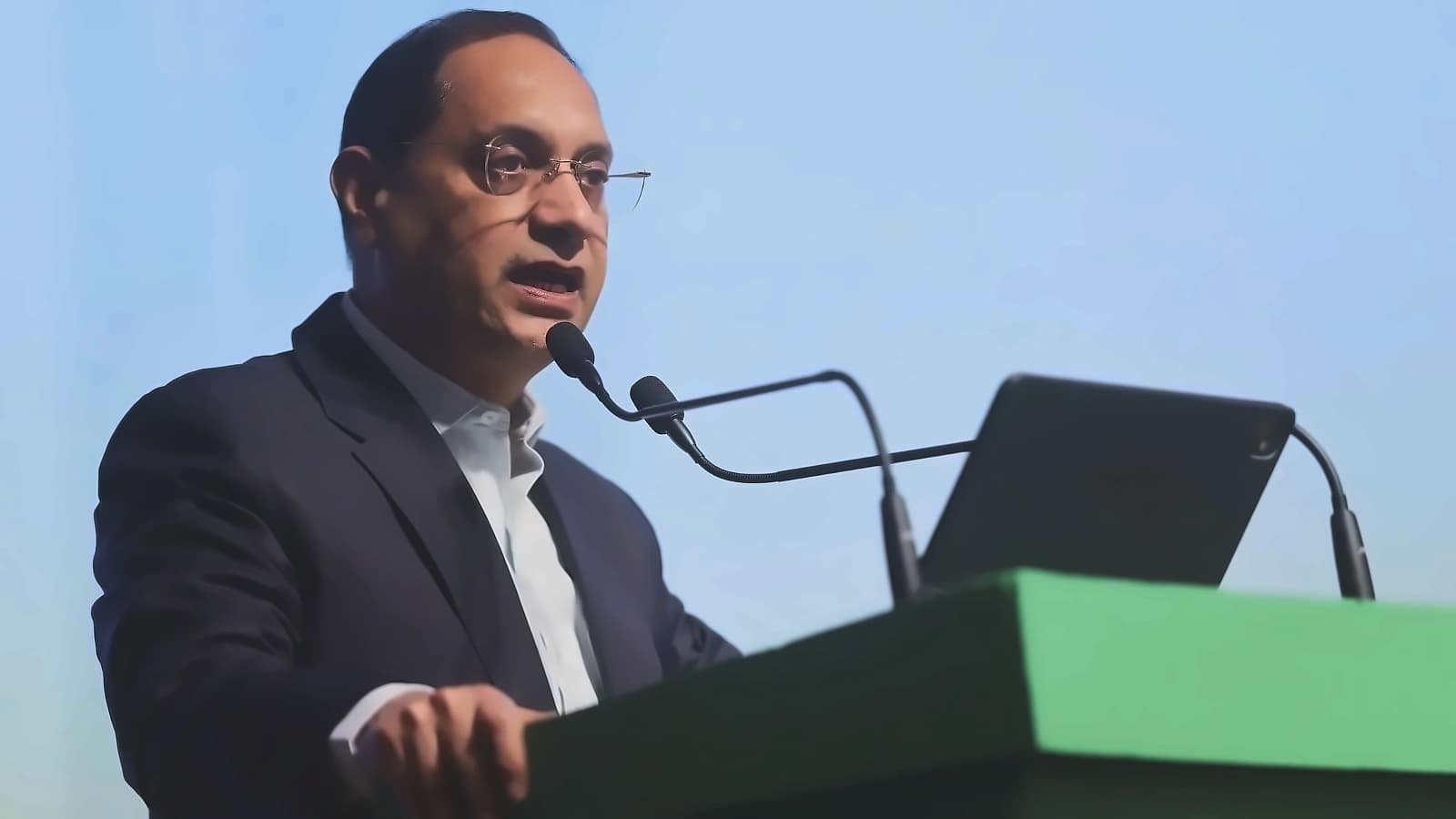
SEBI is actively encouraging the development of corporate bond derivatives markets through regulatory support and technological infrastructure improvements. As reported by ET Now, Chairman Tuhin Kanta Pandey emphasized that "Bond indices and derivatives will be, I would think, at a major milestone going forward." The regulator is working to encourage exchange-traded systems in the bond market and has introduced several measures to strengthen market infrastructure. These include an electronic bidding platform for primary bond issuances, regulation of online bond platform providers and measures to strengthen the request-for-quote mechanism for transactions in the secondary market. Pandey stated that "Expansion of the corporate bond derivatives market would depend on regulatory support, adequate technology infrastructure and greater participation from market participants."
SEBI Chairman Tuhin Kanta Pandey on Wednesday, September 30, categorically denied the formation of any panel to consider allowing self-trading of shares by stock exchanges. According to reports from CNBC TV18, The Economic Times, and NDTV, Pandey confirmed there would be no panel formed to examine a regulatory framework that would permit stock exchanges to list their own shares. Speaking at the APMI Annual Conference, Pandey stated "There is no such thing going on. It will be, if it happens or when it happens, you will come to know. So, there is no such thing at the moment." As per The Times of India, Pandey noted that no SEBI panel is discussing the possibility at present. His remarks come days after CNBC-TV18 reported that SEBI was likely to form a committee to consider self-listing regulations for exchanges, with the self-listing rules potentially applying to already listed exchanges.
SEBI and RBI are working to make FPI registration and onboarding faster, seamless and digital through comprehensive digital portals. As reported by NDTV, Pandey highlighted that SEBI has revamped the NSDL portal and introduced the India Market Access portal for FPIs, besides a common application portal that allows applicants to track their applications. The regulator is encouraging digital onboarding, including digital signatures, with the KYC process getting more streamlined. These reforms aim to simplify the complex FPI onboarding process and reduce the time required for foreign investors to access Indian markets. On foreign portfolio investor flows, Pandey said SEBI's role was to facilitate easier onboarding and access to Indian markets while investment decisions ultimately depend on returns and opportunities available across countries. He noted that the regulator had already taken several steps, including allowing FPIs access to non-agricultural commodity derivatives. According to The Times of India, Pandey emphasized that "All we can do at the regulatory stage is to listen to what the FPIs have to say, ease their onboarding and access." He added that FPIs' holdings could rise or fall depending on investment opportunities across markets.
Indian investors continue demonstrating remarkable resilience and maturity by backing primary markets and mutual funds despite prolonged global uncertainty, according to SEBI Chairman Tuhin Kanta Pandey. Speaking at the APMI Annual Conference, Pandey emphasized that "Indian investors in general have been far more intelligent. Sometimes we underestimate them, but they are aware of these things — market cycles, how things will pass and how things will improve for the better." The chairman noted that this confidence was particularly visible in the primary market, where companies across sectors have continued raising capital despite an uncertain global environment. As reported by The Financial Express, Pandey highlighted that "in several areas — infrastructure, industry and services — entrepreneurial talent is quite visible in the kind of companies coming to the primary market to raise capital, and investors are supporting them." He pointed to opportunities emerging across traditional industries, infrastructure, energy transition and new-age sectors, with Indian companies increasingly building artificial intelligence capabilities.