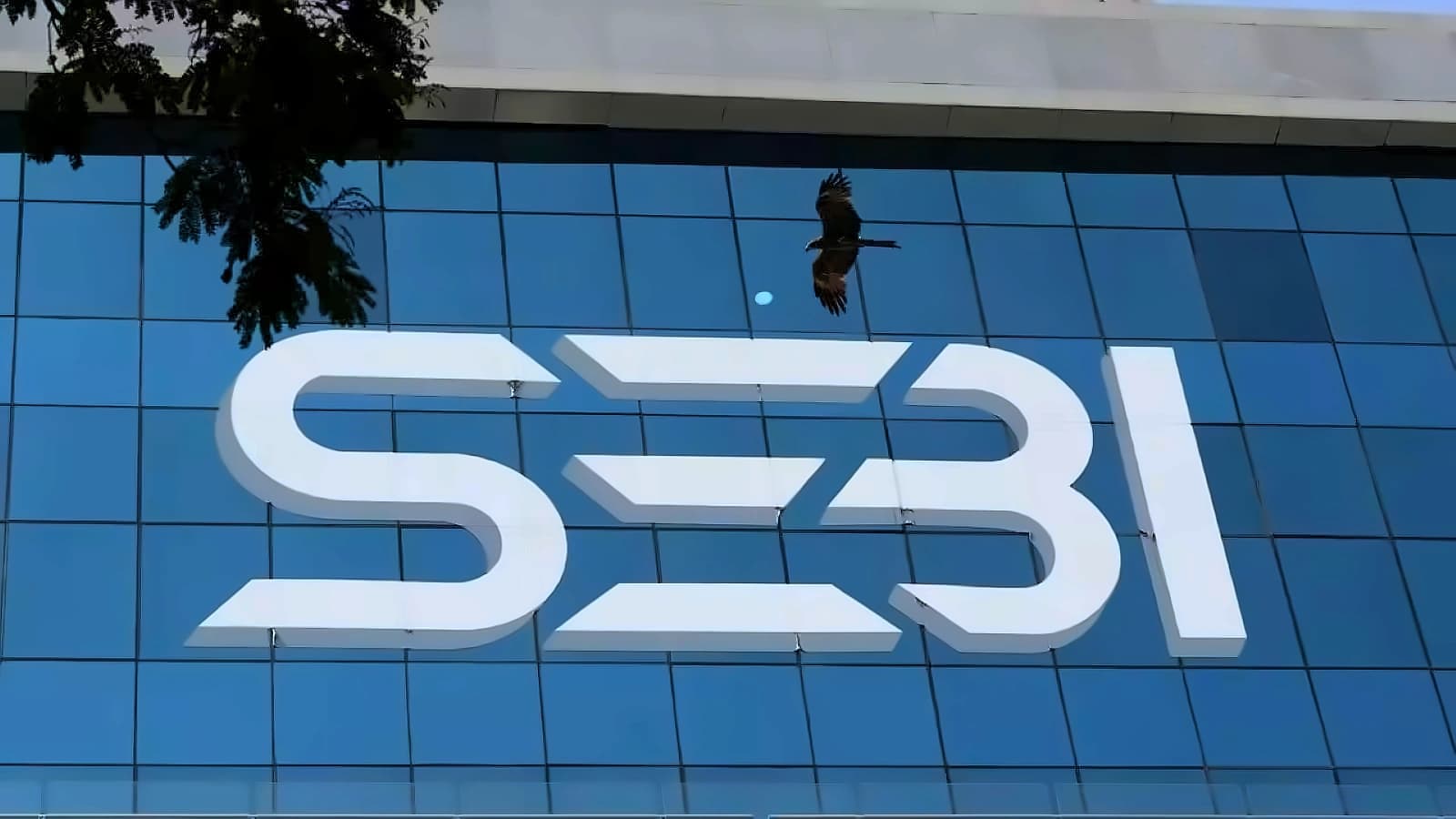
The Securities and Exchange Board of India (SEBI) has officially reintroduced share buybacks through the open market route effective August 1, 2026, marking a significant reversal from its 2025 decision to phase out this mechanism. According to The Hindu and ET Now, SEBI has notified comprehensive rules allowing companies to repurchase shares in the open market using regular trading mechanisms without requiring a dedicated buyback window. The move aims to improve flexibility and execution efficiency while potentially enhancing the attractiveness of buybacks as a capital allocation tool for listed companies. SEBI had previously phased out open-market buybacks in 2025, citing concerns over uneven treatment of shareholders and tax-related distortions, as the mechanism was seen as favouring select investors.
The new regulations establish specific operational requirements for open market buybacks. As reported by The Hindu and ET Now, buyback offers must open within four working days from the public announcement date and close within 66 working days from the opening date. The execution period has been significantly reduced from the earlier framework that allowed up to six months duration. Companies can now carry out buybacks through regular trading mechanisms without a dedicated buyback window, with SEBI making the appointment of a merchant banker discretionary for the company. If a company decides not to appoint a merchant banker, the activities undertaken by the merchant banker are assigned to the company, compliance officer, statutory auditor, secretarial auditor and stock exchanges. The minimum interval between two buybacks has been aligned with the Companies Act, 2013, requiring a one-year minimum interval between buyback announcements.
A key feature of the new regulations is the prohibition of promoter participation in open market buybacks. According to The Hindu and ET Now, shares or other specified securities of the company undertaking the buyback, held by promoter(s) or their associates, shall remain frozen at ISIN level during the buyback period. The regulator has also inserted an explicit provision to ensure that companies do not announce buybacks that might breach minimum public shareholding (MPS) norms. During the buyback period, company shares held by promoters or associates will remain frozen at the ISIN level to prevent inadvertent dealing. The requirement for a separate trading window and display of company identity as purchaser on trade screens will be dispensed with. To improve shareholder communication, SEBI said information about open-market buybacks will be disseminated electronically to shareholders in addition to the mandatory public announcements published in newspapers.
The new buy-back taxation framework represents a fundamental shift in how share buybacks are treated for tax purposes. As reported by The Hindu and ET Now, under the new framework, public shareholders would be taxed on their actual capital gains when the shares are tendered in buyback, which would be similar to selling the shares in the normal course on the stock exchange. This change eliminates the differential tax advantage that existed earlier between shareholders who were able to participate in the buy-back and those who were not. The amount received from the buyback will be taxed as capital gains in the hands of the shareholder, rather than as dividend income. If the shares have been held for more than 12 months, the gains will be treated as long-term capital gains (LTCG) and taxed at 12.5%. If the shares are sold within 12 months, the gains will be treated as short-term capital gains (STCG) and taxed at 20%. With the tax burden shifting from the company undertaking the buyback to participating shareholders, selling shares through an open-market buyback is now broadly aligned with selling them on the stock exchange. According to Mint, gains arising from such sale would generally be subject to capital gains tax at the rate of 12.5% (plus applicable surcharge and cess) where the shares have been held for more than 12 months prior to the buyback. If the shares have been held for 12 months or less, the gains would be taxed at 20% (plus applicable surcharge and cess).
The regulatory changes have already influenced market activity, with companies announcing buy-backs through the tender route in April and May 2026. According to Mint and ET Now, Wipro announced a ₹15,000 crore buy-back in April 2026 at ₹250 per share (20% premium), while Bajaj Auto announced a ₹5,633 crore buy-back in May 2026 at ₹12,000 per share (15% premium). The open market buy-back through stock exchange will provide an additional route alongside the existing tender offer and book-building routes, aiming to streamline regulatory framework and enhance operational efficiency. The restored option is expected to reduce costs, speed up execution, support share prices during volatility, and provide companies with efficient capital allocation tools. The open market buyback method through stock exchanges is widely adopted in international jurisdictions, making this reintroduction consistent with global practices. As open-market buybacks return from August 1, retail investors can participate in an open-market buyback by selling their shares through the stock exchange during the buyback period. According to Mint, retail investors can participate in an open-market buyback by selling their shares on the stock exchange during the buyback period, just like they would in a regular market transaction. However, experts advise that shareholders should evaluate the effective returns by considering the buyback price, applicable capital gains tax rates, securities transaction tax cost, available relaxations under the Income-tax Act and availability of capital losses that can be set-off against losses.