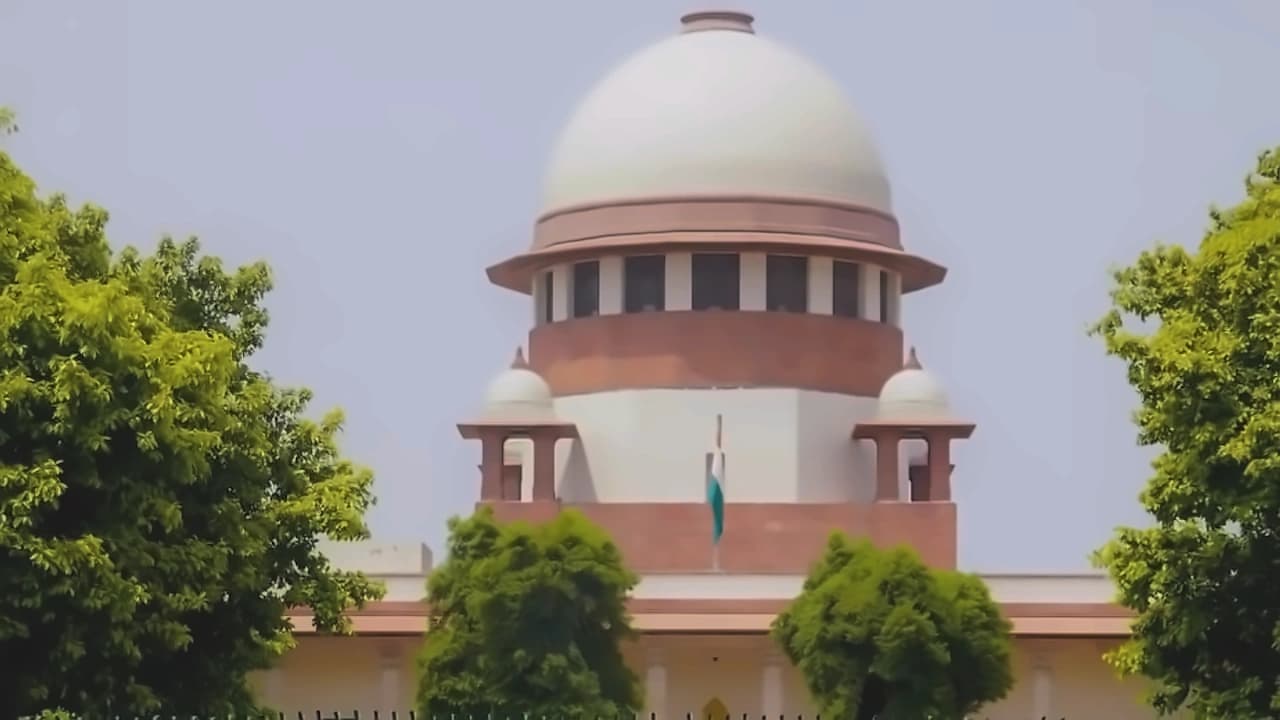
The Supreme Court on Thursday permitted the Taj Trapezium Zone (TTZ) Authority to process around 400 pending applications for setting up industries in the protected area around the Taj Mahal. According to reports from The Law Advice, a Bench comprising Chief Justice of India Surya Kant and Justices Joymalya Bagchi and V Mohan directed that the applications may be considered subject to a scrutiny mechanism involving experts from the National Environmental Engineering Research Institute (NEERI) and the Central Empowered Committee (CEC). The court clarified that applications may be approved without seeking its permission where the TTZ Authority, NEERI and the CEC experts are unanimous that the proposed unit is non-polluting. The Bench observed that delays in preparing assessment studies and policy documents cannot indefinitely halt decisions on pending applications, leading to the current directive.
As reported by The Law Advice, the court established a clear framework for processing applications. Applications may be approved without Supreme Court permission where the TTZ Authority, NEERI and CEC experts are unanimous that the proposed unit is non-polluting. However, if either the NEERI or CEC expert concludes that an industry is polluting, the proposal cannot be cleared unless the Supreme Court grants approval. To ensure transparency, the Bench directed that every decision clearing an application be uploaded on the CEC website to invite objections or suggestions from the public before a final decision is taken. The court further directed that every meeting of the TTZ Authority considering such applications must include one expert nominated by the CEC and one representative from NEERI, adding that no meeting should take place in the absence of both experts. The latest order emphasizes that the precautionary principle must be strictly followed and adhered to under the direct supervision of domain experts.
According to The Law Advice, Additional Solicitor General Aishwarya Bhati submitted that a blanket restriction on new industries was adversely affecting livelihoods. She informed the court that about 400 applications, primarily relating to micro, small and medium enterprises (MSMEs), were awaiting consideration and stressed that no heavy industries were under consideration. The 400 pending applications primarily involve light, non-hazardous operations such as flour mills, localized assembly units, and traditional artisan workshops—industries that NEERI has suggested evaluating based on the heritage, legacy, and Geographical Indication (GI) status associated with the Agra region. During the hearing, the Bench observed that a practical balance must be struck between environmental protection and economic development, noting that livelihood concerns also deserve consideration. ASG Bhati argued that "how do we curb the aspirations of millions of people? A complete ban on no new industry is impacting..."
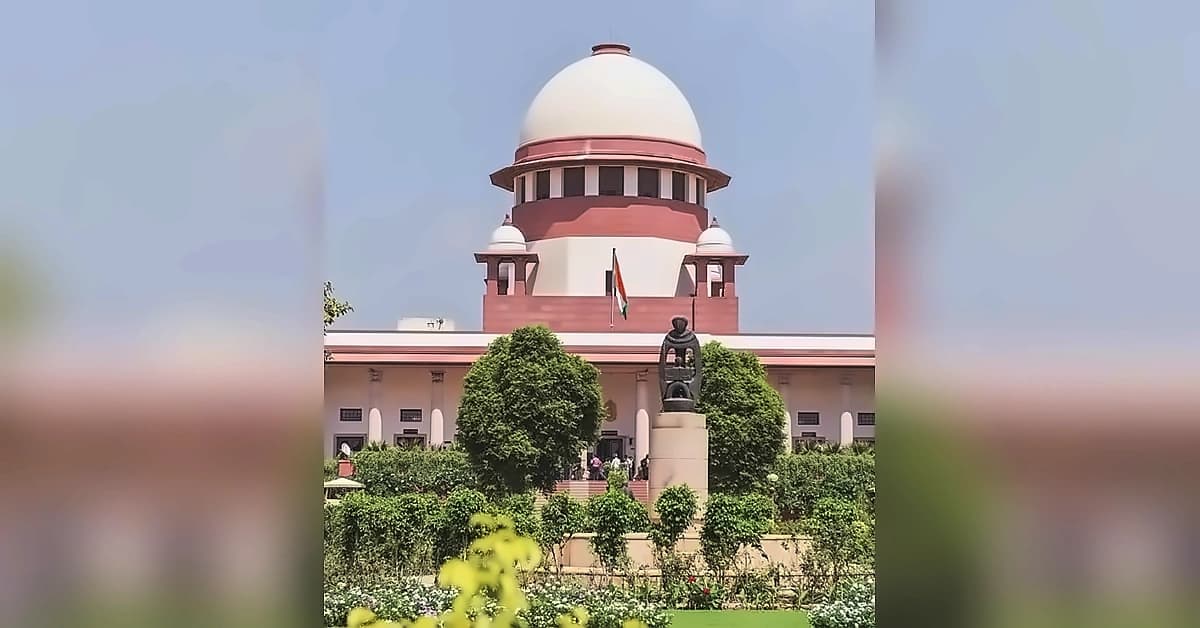
As reported by The Law Advice, the Bench observed that an appropriate balance must be struck between environmental protection and economic activity, while reiterating that only non-polluting industries should be permitted in the TTZ. The court referred to NEERI's interim report dated April 21, 2025, which cautioned against adopting a rigid definition of "non-polluting industries" and advised against restricting classification solely to standards prescribed by the Central Pollution Control Board (CPCB). Instead, NEERI recommended considering factors such as Agra's heritage value, legacy industries and Geographical Indication (GI) status. The court noted that NEERI's interim report opposed adopting a rigid definition of "non-polluting industries" and says a strict definition based solely on the standards prescribed by the Central Pollution Control Board (CPCB) would hamper the economic progress of the region. The Bench held that pending applications could be processed even though the cumulative impact assessment study and NEERI's final report on defining non-polluting industries are still awaited.
According to The Law Advice, the court directed that no meeting to consider such applications should take place unless both the NEERI and CEC experts are present. Where the experts disagree on whether an industry qualifies as non-polluting, the proposal must be placed before the Supreme Court. If both experts, along with the TTZ Authority, unanimously approve an application, it may be processed to its logical conclusion in accordance with law without requiring further approval from the court. The Bench added that any objections or suggestions received after publication of approvals on the CEC website must be considered by the TTZ Authority in consultation with the experts before taking a final decision. The matter arose in proceedings where the Supreme Court had earlier prohibited the establishment of polluting industries in the 10,400 sq km Taj Trapezium Zone, a protected area created to safeguard the Taj Mahal and other heritage monuments in Agra from environmental damage. By order dated 22 April 2025, the Supreme Court had clarified its earlier order dated 14 October 2024 and permitted the relocation of 16 existing industries within the TTZ, subject to compliance with applicable conditions.