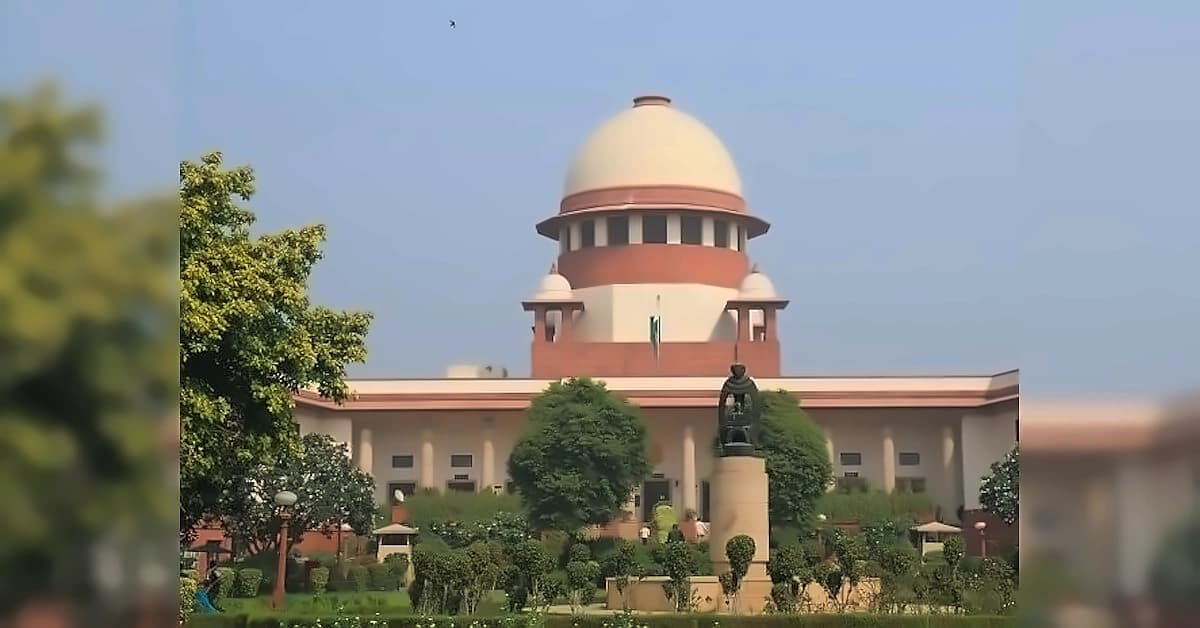
The Supreme Court on Monday directed the Centre to place before it within two weeks the rules framed under the Bharatiya Vayuyan Adhiniyam, 2024, which aims to modernise India's aviation sector. According to reports from Financial Express, a bench of Justices Vikram Nath and Sandeep Mehta said the rules be placed before it in a sealed cover, irrespective of whether they have been placed before Parliament. The matter will next be heard on August 3. The court's order came after the Centre informed the bench that the draft rules are ready and are currently being translated, with the rules requiring placement before Parliament. As per Financial Express, the bench specifically stated that "Considering the submissions, we grant two weeks time to place before this court the rules which have been framed, irrespective of whether they have been placed before the Parliament or not, in sealed cover. List on 3rd August."
The apex court's order came while hearing a plea filed by social activist S Laxminarayanan, who has sought a robust and independent regulator that ensures transparency and passenger protection across the civil aviation sector. As reported by Financial Express, senior advocate Ravindra Srivastava, appearing for Laxminarayanan, argued that existing rules remain in force until the new framework is notified and called for a stronger, independent regulator to address steep airfare hikes. The petition specifically seeks regulatory guidelines to control the "unpredictable fluctuations" in airfare and ancillary charges imposed by private airlines in India. The plea, filed by social activist S Laxminarayanan, seeks an independent regulator to oversee the civil aviation sector and introduce safeguards against arbitrary airfare hikes and hidden airline charges. The petitioner has argued that the absence of regulatory oversight has allowed private airlines to impose unpredictable pricing and ancillary fees, particularly during periods of high demand, festivals, emergencies and weather-related disruptions.
Additional Solicitor General Anil Kaushik, appearing for the Directorate General of Civil Aviation (DGCA) and the Union Government, submitted that the draft rules had been prepared and were currently undergoing translation. He further apprised the Bench that the regulations would be placed before Parliament during the upcoming monsoon session, which is scheduled to commence on July 21. However, senior advocate Ravindra Srivastava contended that under the provisions of the 2024 Act, the new rules must first be published for public consultation before being tabled before Parliament. "After the rules are framed, they have to be published for public consultation. Only thereafter can they be placed before Parliament," he submitted. The bench found merit in this submission and granted the Centre two weeks' time to place the draft aviation rules before the court in a sealed cover. The case stems from a petition filed by social activist S Laxminarayanan, who has sought stronger safeguards for air passengers and the establishment of an independent aviation regulator to oversee India's civil aviation sector.
A flight ticket that appears to cost ₹4,999 during an online search can often end up costing ₹8,000-₹9,000 by the time payment is completed, according to recent consumer surveys. Additional charges for seat selection, baggage, meals and convenience fees are among the factors that increase the final fare. A survey by LocalCircles found that 62% of consumers had repeatedly encountered hidden charges while booking flights that were not disclosed upfront, while another 40% said services had been added to their carts without their consent. The government has acknowledged that booking platforms use techniques known as "dark patterns," including false urgency, basket sneaking, and drip pricing. These practices involve displaying messages like "Only two seats left" to pressure customers into immediate bookings, adding services such as insurance or meals to carts without explicit consent, and revealing full costs only at the final payment stage. Complaints increased during IndiGo's operational disruption in December 2025, when more than 5,000 flights were cancelled over a week, with several passengers reporting unavailable cancellation options and only travel date changes displayed.
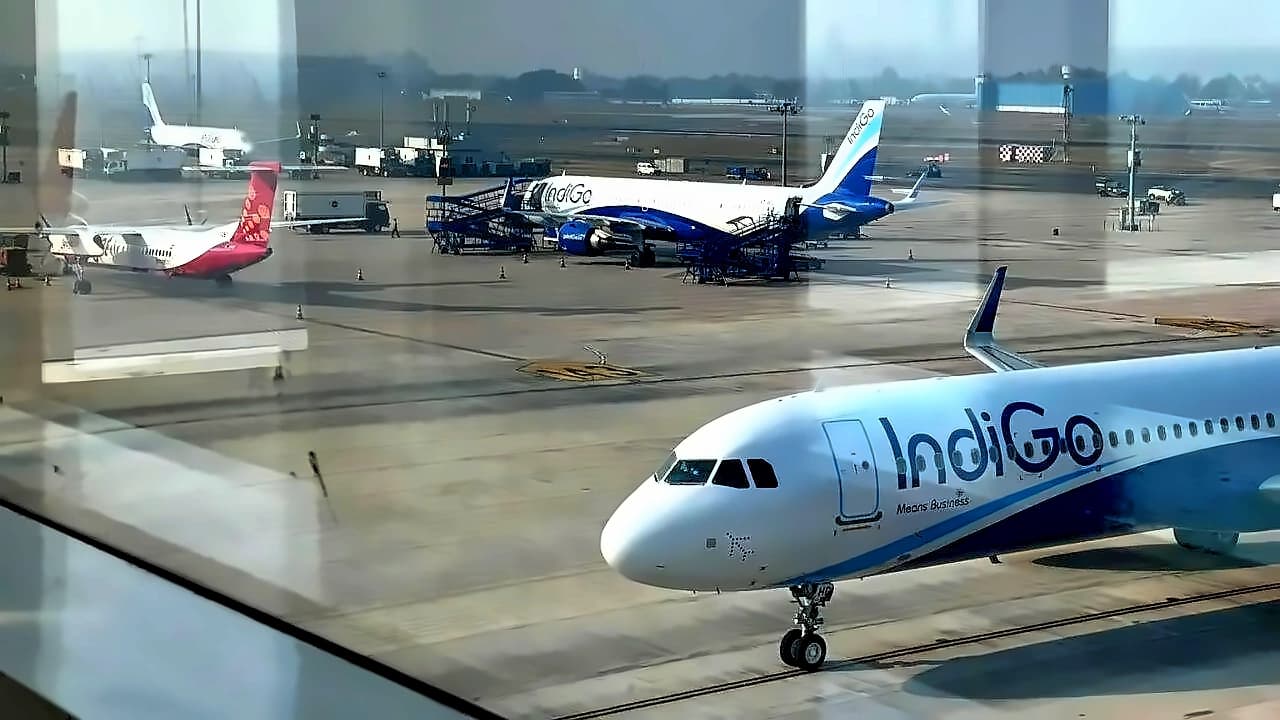
Srivastava pointed out that an affidavit placed on record showed that the fuel component constituted no more than 10% of the airfare, even though fares had risen exponentially. "The fuel component in the airfare is a maximum of 10%. The rise is 100 to 300% during this period. This is a very pitiable condition. Your Lordships have to do something," he submitted. Justice Mehta observed that recent reports suggesting that Iran may close the Strait of Hormuz, despite the ceasefire announced last month, had once again given airlines a "window" to sharply increase airfares on the pretext of a looming oil crisis. The petition pointed out that there is currently no regulatory authority vested with the power to review or cap airfares, enabling airlines to exploit consumers through hidden fees and unpredictable pricing. Such practices disproportionately affect economically weaker passengers, who are often compelled to purchase tickets during periods of peak surge pricing, while wealthier travellers can plan and book in advance. Airfares in India have been market-driven since the repeal of the Air Corporations Act in 1994, with the government neither fixing nor regulating ticket prices. Airlines sell tickets across multiple fare buckets, known as Reservation Booking Designators (RBDs), with the cheapest fare bucket sold first and prices increasing as seats are booked and inventory shifts to higher-priced buckets.