The Insurance Regulatory and Development Authority of India (IRDAI) has notified the obligatory cession for financial year 2026-27, setting the percentage cession of sum insured on each general insurance policy to be reinsured with Indian re-insurers at 4% for insurance attaching during the financial year beginning April 1, 2026 to March 31, 2027. According to the Gazette notification, this compulsory sharing of insurance risk by insurers with the national reinsurer aims to strengthen domestic reinsurance capacity and provide stability to the insurance market. The entire obligatory cession must be placed with General Insurance Corporation of India with a notice of information on cession, with no limit on sum insured applicable for cessions made during the current financial year.
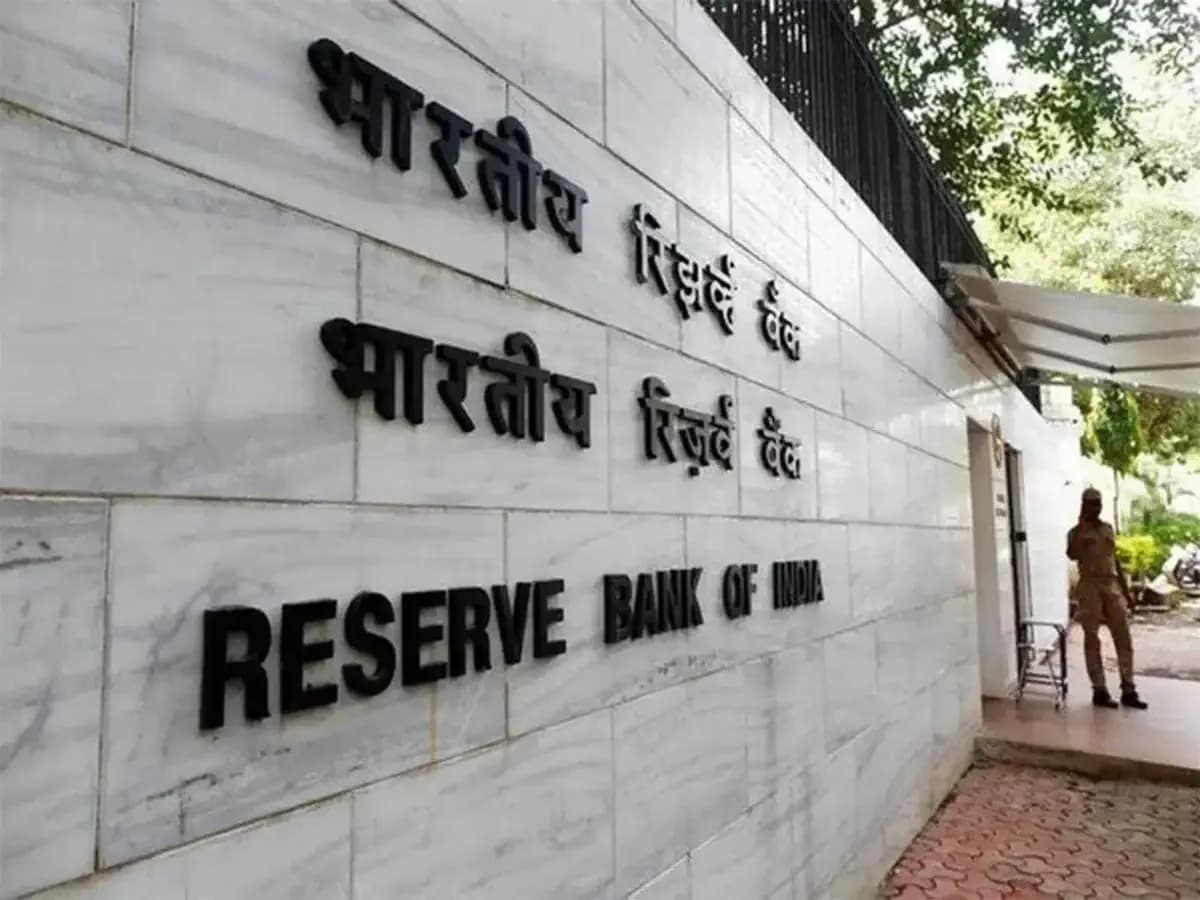
Financial sector regulators, including the Reserve Bank of India and the Insurance Regulatory and Development Authority of India (IRDAI), are expected to address gaps in the reporting of insurance surety bonds and private credit exposures. According to reports from The Economic Times, the issue may be deliberated at the level of the Financial Stability and Development Council (FSDC), an apex inter-regulatory body chaired by the finance minister, which coordinates among key financial sector regulators to safeguard systemic stability and address emerging risks.
Insurance surety bonds are currently not being captured in the credit information reports of credit information companies (CICs), resulting in gaps in lenders' assessment of borrower exposures. Some lenders have also flagged the growing prevalence of private credit, including exposures through alternative investment funds (AIFs), which aren't currently reported to the Central Repository of Information on Large Credits (CRILC), limiting system-wide visibility. Under existing regulations, IRDAI (Surety Insurance Contract) Guidelines 2022 promote and regulate development of surety insurance business in India.
According to industry estimates reported by The Economic Times, insurance surety bonds issued for infrastructure projects alone have crossed ₹10,000 crore, with around ₹10,369 crore of issuances reported for NHAI contracts as of July 2025. As per industry estimates, volumes will have reached around ₹60,000 crore by 2025-end. Information utility National E-Governance Services Ltd (NeSL) is also working on electronic insurance surety bonds (e-ISB), pitching it as an alternative to all forms of performance bid guarantees.

A bank executive told The Economic Times that insurance surety bonds should be factored into working capital assessments to better reflect contingent liabilities arising from such instruments. The executive emphasized that "We have been pressing for disclosure of such instruments in credit appraisal processes as their absence from reporting frameworks could lead to an incomplete view of leverage." A senior government official noted that the issue has been flagged that insurance surety bonds are currently not being captured in the credit information reports of credit information companies (CICs), resulting in gaps in lenders' assessment of borrower exposures.