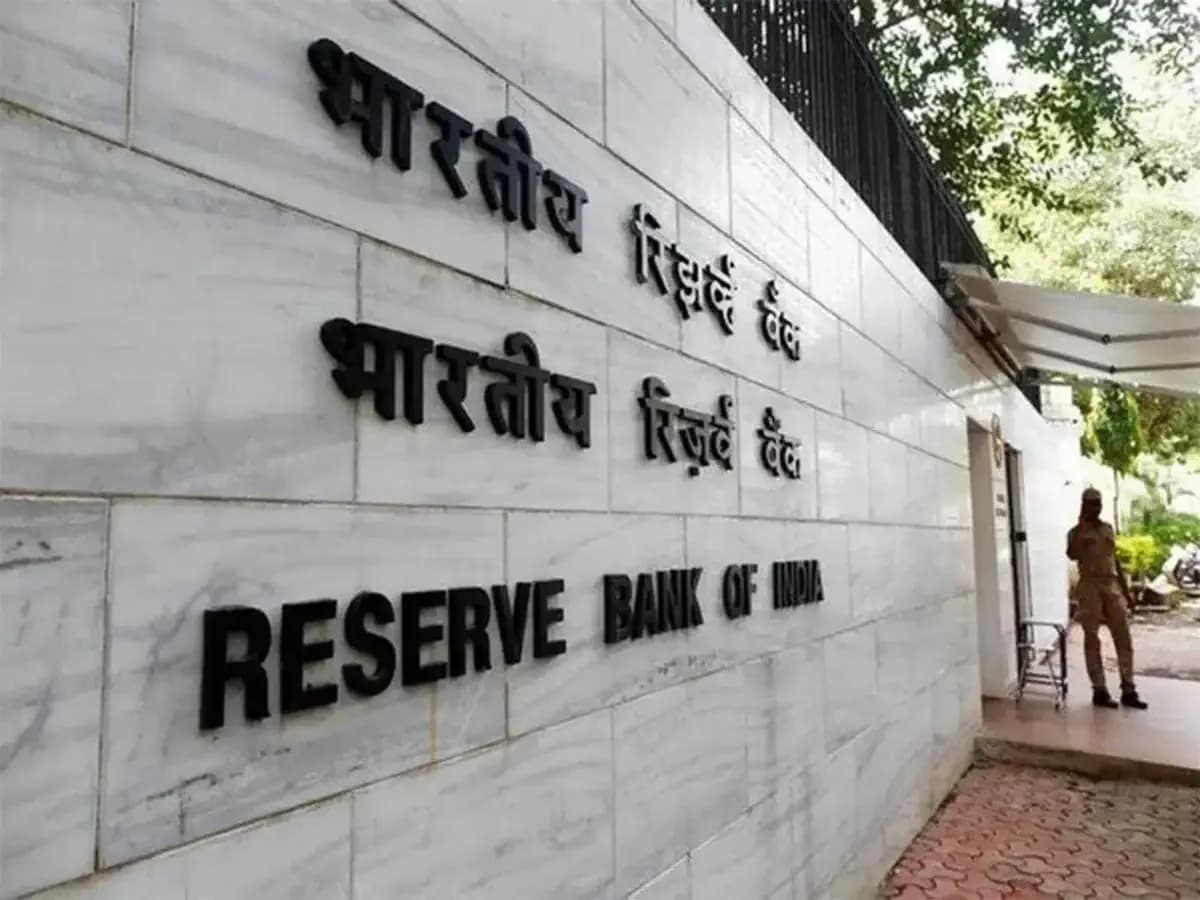
Financial sector regulators are considering bringing insurance surety bond exposures under the Reserve Bank of India's Central Repository of Information on Large Credits (CRILC), according to reports from The Economic Times. CRILC is a database maintained by the RBI to monitor large credit exposures. As reported by a regulatory official aware of the developments, "We have received some suggestions from banks on this matter and discussions are on how to address this regulatory blind spot." A bank executive noted that "lenders had made a representation to the government, pointing out that external credit rating agencies do not currently factor in exposures arising from insurance surety bonds." He added that "We have suggested expanding the scope of CRILC and making it a more comprehensive repository for all lending and guarantee data across the financial system."
According to industry estimates reported by The Economic Times, insurance surety bonds worth ₹50,000-60,000 crore have been issued so far. These instruments function as guarantees where insurers act as sureties, guaranteeing that contractors will fulfill their obligations under agreed terms. Insurance surety bonds are instruments under which insurers act as sureties, guaranteeing that a contractor will fulfil its obligations under agreed terms.
Almost all ministries, central public sector enterprises (CPSEs) and other government departments now allow insurance surety bonds to be furnished instead of bank guarantees, as reported by The Economic Times. Last month, the coal ministry allowed entities allocated coal blocks to use insurance surety bonds in place of performance bank guarantees. The ministry stated that "the measure is expected to ease the financial burden associated with conventional bank guarantee arrangements and enable coal block allocatees to deploy their capital more efficiently for mine development and operational activities." The ministry added that "the move would improve access to financial instruments while ensuring the government's interests remain protected through appropriate performance security mechanisms."
Last month, National E-Governance Services Ltd, in partnership with New India Assurance, launched the country's first digital insurance surety bond, according to The Economic Times. A state-run lender executive noted that "this will help banks, as there is a digital trail available, but the data needs to be captured so as to strengthen the credit appraisal process." The expansion is expected to strengthen credit appraisal processes for lenders by providing a more comprehensive view of corporate leverage. Under the Irdai (Surety Insurance Contracts) Guidelines, 2022, the insurance regulator promotes and regulates the development of the surety insurance business in India.