Rajya Sabha elections for 27 seats will be contested on June 18, 2026, with the last day for filing nominations being June 8. According to reports from Business Standard, out of these 27 seats, 3 will witness bye-elections while 24 will have biennial elections. The elections are held every two years as one-third of Rajya Sabha members retire every second year, with newly appointed members serving for the unexpired term of the member whose seat became vacant. The Election Commission issued notification on June 1 for the biennial elections for the 24 seats.
The Central Election Committee (CEC) of the BJP announced its candidates for the upcoming Rajya Sabha elections on Sunday, with Mahesh Kewat from Madhya Pradesh and Prof Dr M Nagaraja from Karnataka being nominated. In the Karnataka Legislative Council biennial elections, the party has selected Lingaraj Patil and Raghu Kautilya as its candidates. Party national general secretary Tarun Chugh and party leader Rajneesh Agrawal officially filed their nominations from Madhya Pradesh, with the filing process taking place in the presence of Madhya Pradesh Chief Minister Mohan Yadav. The BJP has notably excluded Union ministers Ravneet Singh Bittu and George Kurian from its lineup, leading to widespread speculation regarding an impending Union Cabinet reshuffle. According to latest developments, the BJP is now considering fielding a third candidate for the third Madhya Pradesh seat, with the party confident of securing victory through cross-voting arrangements with Congress MLAs.
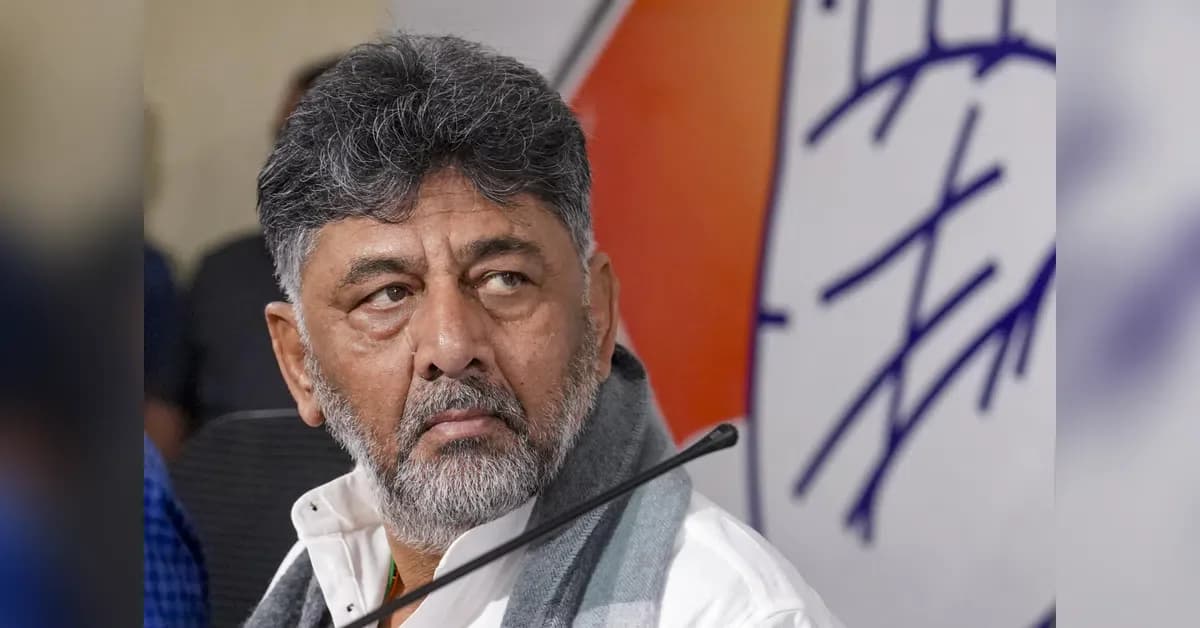
The Karnataka elections have become particularly significant as the BJP's midnight announcement of Prof M Nagaraja as its candidate effectively signals the end of the parliamentary career of the 93-year-old JD(S) patriarch and former prime minister H D Deve Gowda. Despite expectations in the JD(S that its coalition partner would back the senior politician, the BJP chose Nagaraja, an OBC, instead. The JD(S also did not get a candidate assured of winning in the polls for the Legislative Council seats. The NDA coalition has finalised one more candidate, JD(S) leader Govindaraju, to contest the polls scheduled for June 18. As a result, eight candidates will be in the fray for the seven seats up for grabs. The Congress, with 61 assured votes in the 230-member Vidhan Sabha, has a comfort cushion of three first preference votes to win one seat, requiring 58 first-preference votes to win one seat. The Congress slammed the coalition partners soon after the candidate list was announced, with AICC general secretary Randeep Singh Surjewala accusing the BJP of denying Gowda a Rajya Sabha nomination and criticizing the JD(S) for accepting the insult.

The Madhya Pradesh elections have become particularly interesting as the ruling BJP is considering fielding a third candidate for the third seat, following a late Sunday night meeting of state BJP's top brass at CM Dr Mohan Yadav's residence. The BJP, with 164 MLAs, is set to get its two official candidates – national general secretary Tarun Chugh and state secretary Rajneesh Agrawal elected easily to the two seats. After that the BJP will still have 48 surplus votes along with possible support from BAP MLA and Congress MLA Nirmala Sapre (who joined BJP during LS polls), taking its support base to 50. However, for ensuring the victory of its third candidate, the BJP will need cross-voting by at least eight Congress MLAs. The third candidate from the BJP may be from a scheduled caste community or a scheduled tribe community, with the party confident of getting its third candidate also elected and having already done the necessary home work for winning the support of Congress MLAs.
The 24 seats going for biennial elections include four seats each in Karnataka, Andhra Pradesh and Gujarat, three seats each in Rajasthan and Madhya Pradesh, two seats in Jharkhand, and one seat each in Arunachal Pradesh, Mizoram, Manipur and Meghalaya. According to Business Standard, polling only takes place when the number of candidates contesting is more than the number of Rajya Sabha seats. If the number of candidates equals the number of seats, then the candidates are elected unopposed. Parties have clear understanding of their Assembly strength and nominate candidates accordingly to ensure their candidates are elected unopposed.