The Ministry of Power has issued fresh guidelines for determining compensation to landowners for the Right of Way (RoW) required for inter-state transmission system (ISTS) lines. According to Times of India reports, the framework provides a process to determine land value when the prevailing market rate is higher than the circle rate. The guidelines, issued on Wednesday, aim to expedite transmission projects and address RoW-related disputes that can delay transmission projects. The government has been revising the RoW framework since June 2024, with further supplementary guidelines issued in March 2025 and amendments to it in December 2025. As per the latest ministry statement, these guidelines will help establish compensation for landowners affected by interstate transmission lines, with states that have not set their own rates now required to follow these central guidelines.
The revised guidelines lay out a formal mechanism for determining the market value of land where the circle rate does not reflect the prevailing market rate. As reported by Times of India, the Market Rate Committee (MRC) will be headed by the District Magistrate, District Collector or Deputy Commissioner. The committee will also include a district-level Registration Department officer, the Sub-Divisional Magistrate and an administrative representative of the local civic body. The chairperson can co-opt up to two additional members if required, according to the guidelines. The determined land value will form the basis for compensation and will be communicated by the district administration to the Transmission Service Provider (TSP). The ministry noted that many states are yet to specify the manner of determining the rate, and land owners have raised concerns over compensation still being proposed at unacceptable circle rates which are significantly lower than market rates.
In normal cases, compensation will be based on the circle rate, guideline value, or rates prescribed under the relevant Stamp Act. According to BusinessLine reports, where the prevailing market rate is higher than the circle rate, the MRC will determine the land value based on the prevailing market rate. For this assessment, the district administration will select three land valuers from the list of valuers empanelled by the Insolvency and Bankruptcy Board of India (IBBI). The valuers should preferably be from the same state, with valuers from adjoining states considered if an adequate pool is not available. The amendment in December 2025 had already changed the valuation process to require the MRC to appoint three IBBI-empanelled valuers. The guidelines emphasize that compensation will be based on market values rather than outdated circle rates as previously practiced.
The compensation framework distinguishes between the land used for tower foundations and the RoW corridor. As per the Power Ministry, compensation for the tower base is 200 per cent of the market value, while compensation for the RoW corridor is 30 per cent of market value in rural areas, 45 per cent in municipalities, nagar panchayats and other notified urban planning areas, and 60 per cent in municipal corporations and notified metropolitan areas. The guidelines apply to ISTS transmission lines of 66 kV and above and do not cover sub-transmission and distribution lines below 66 kV. According to Times of India, at least 25 of 164 under-construction ISTS projects were facing delays linked to land acquisition and clearances, with 24 related to renewable-energy evacuation. The guidelines also provide for alternative modes of compensation where landowners accept such arrangements under the state policy, including annuity payments or transferable development rights offered by the corporation, municipality or other concerned urban local body.
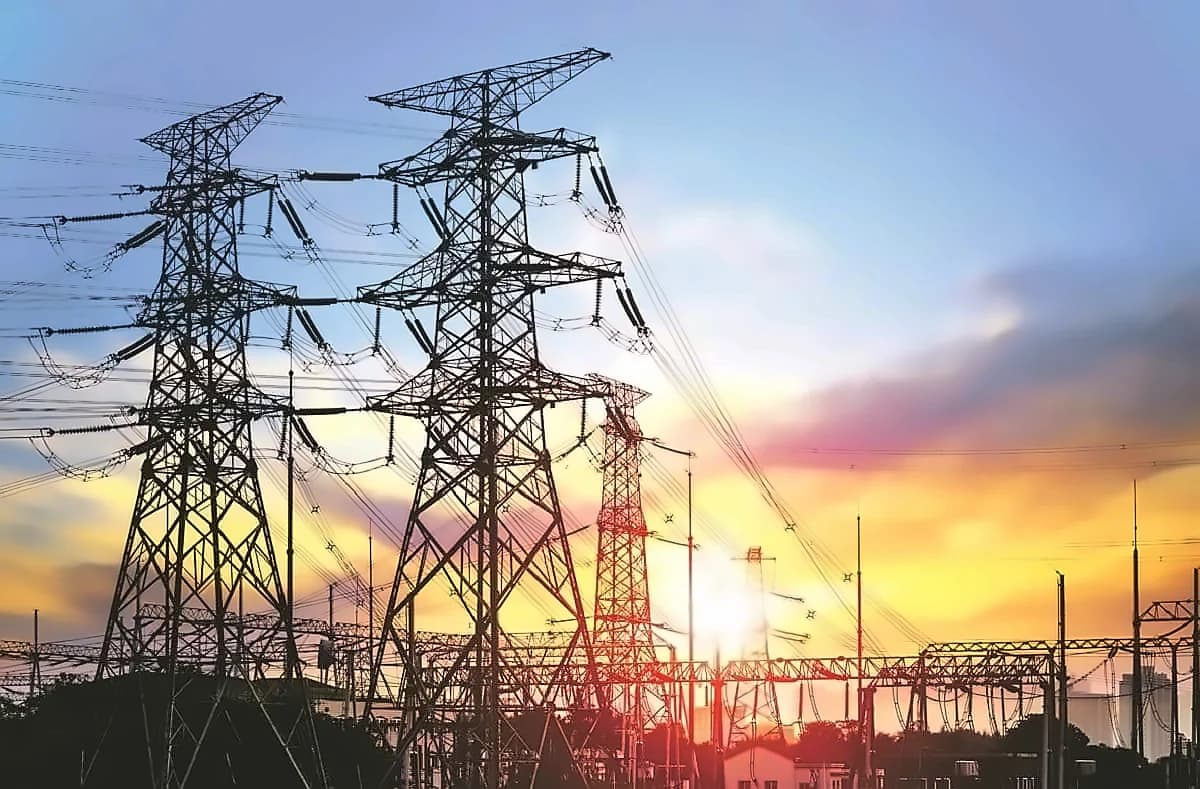
The new guidelines come as transmission infrastructure faces significant delays that threaten India's renewable energy transition. As reported by Times of India, nearly 50GW of renewable energy projects are estimated to be delayed due to the lack of inter-state transmission connectivity needed to evacuate clean electricity. Ratings agency ICRA had pointed out in July that transmission projects faced significant execution challenges related to land acquisition and RoW issues, leading to delays and grid curtailment. It estimated ₹5-6 lakh crore of capital expenditure in the sector over the next five years. In a report tabled in Parliament last year, the parliamentary standing committee on energy had pointed out that issues related to RoW compensation, land acquisition and delays in environmental clearances were among the major hurdles in laying transmission lines. The ministry emphasized that it was necessary to address the RoW issues effectively to expedite construction of transmission lines and ensure timely completion.