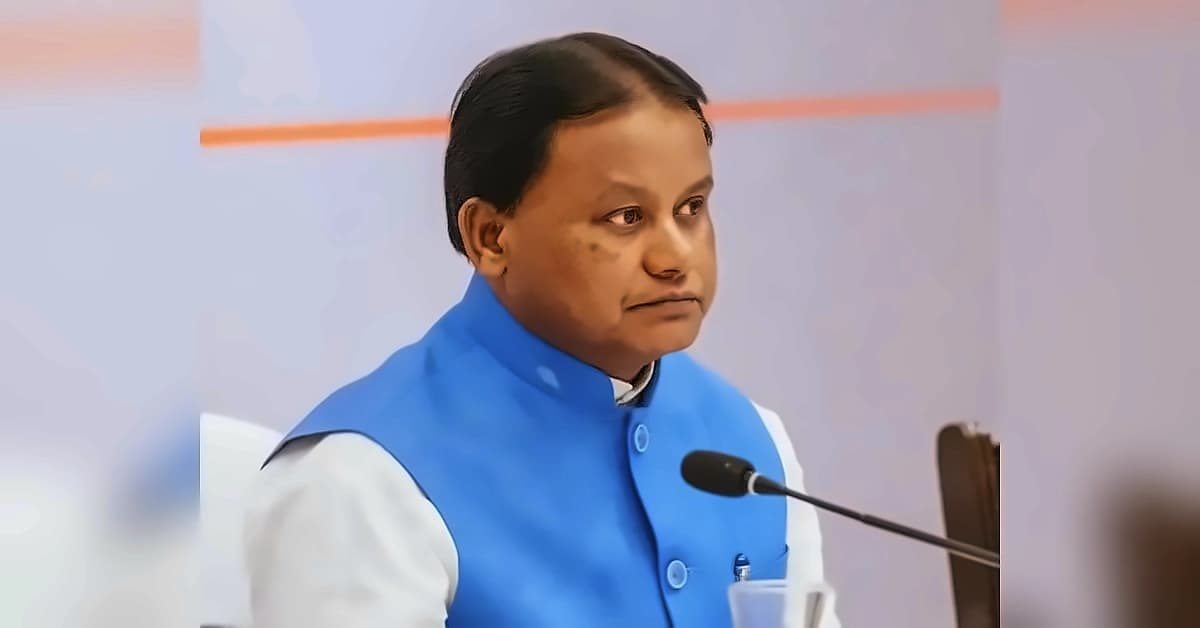
The Odisha state Cabinet has approved the correction of colonial-era English spellings of 64 places across 26 districts as part of efforts to strengthen Odia identity and preserve linguistic heritage. According to reports from Business Standard, the decision was taken on Friday night by the Cabinet chaired by Chief Minister Mohan Charan Majhi, marking a significant step toward linguistic authenticity in the state. The proposal was moved by the Revenue and Disaster Management Department and aims to restore the original Odia phonetic forms of these places that have remained in official English records for decades despite differing substantially from the original Odia pronunciations. Chief Minister Mohan Majhi has highlighted that such distortions undermine Odia Asmita (cultural identity) and are inconsistent with the state's phonetic traditions.
Among the notable corrections approved are 'Aul' corrected to 'Aali' and 'Balasore' restored to 'Baleshwar', reflecting the names by which these places are traditionally known in Odia. As reported by Business Standard, other places whose spellings have been restored include Anugola, Baragada, Kataka, Khordha, Debagada, Nayagada, Sonpur, Sundaragada, Brahmapur, Jayapur, Redhakhol, Asika and Sora. Officials explained that many such spellings were introduced by British administrators who transliterated local names according to English phonetics, resulting in distortions that gradually became embedded in official records, maps, railway documents, postal records and government communications. The initiative follows Chief Minister's directions where all District Collectors were tasked with identifying such places and submitting detailed reports, with inputs also received from public representatives and citizens across Odisha.
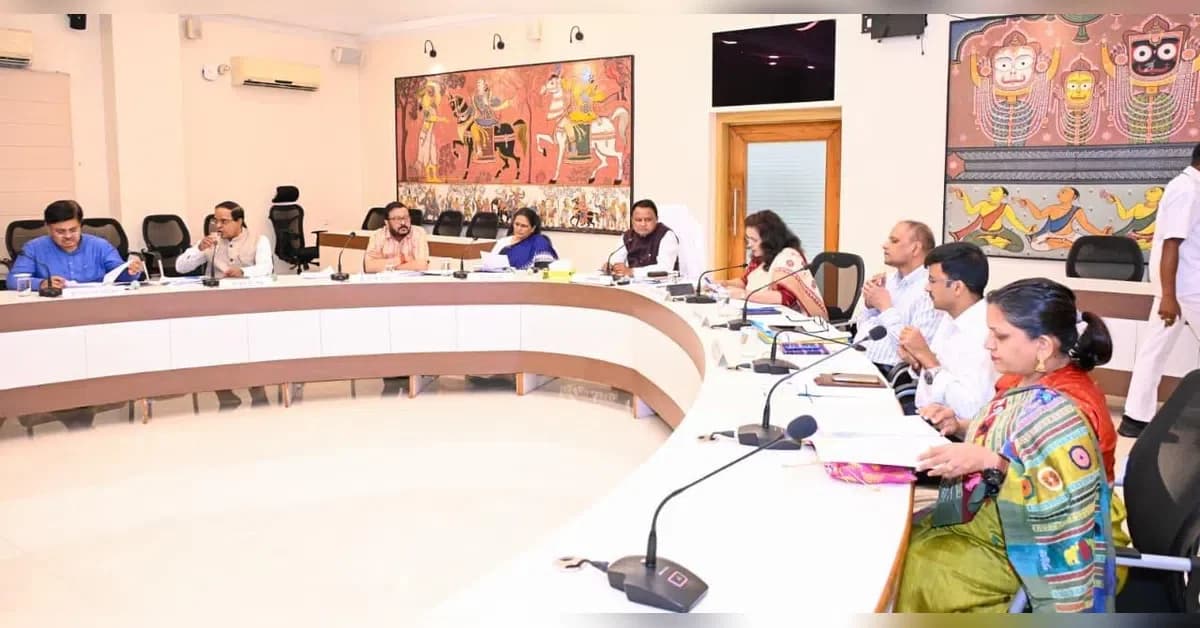
The state government subsequently formed a high-level committee chaired by noted Odia litterateur Dr Pratibha Ray to review the proposals, with the committee's recommendations made public for one month to invite feedback. According to Business Standard, a final list of revised English spellings was prepared after the public consultation period. Chief Secretary Anu Garg announced that the Cabinet's approval paves the way for formal implementation of the changes. The state government will soon issue a Gazette notification and communicate the approved revisions to the Ministry of Home Affairs, requesting central agencies such as Survey of India, Indian Railways, Department of Posts, Registrar General and Census Commissioner of India to update their official records.
Additional Chief Secretary Arabinda Kumar Padhee of the Revenue and Disaster Management Department emphasized that place names are not merely geographical markers but repositories of history, language and collective memory. As reported by Business Standard, he stated that restoring original names will help preserve Odisha's cultural heritage while ensuring that official records reflect authentic local identities. Cultural historians noted that many place names in Odisha derive from ancient temples, rivers, local deities, tribal traditions and historical events, with colonial transliterations often altering their pronunciation and meaning over time. The initiative is aimed at restoring the historical authenticity and linguistic accuracy of place names, thereby strengthening Odisha's cultural identity.
The decision aligns with a series of measures undertaken by the BJP government since assuming office in June 2024 to emphasize Odia language, culture and traditions. According to Business Standard, over the past two years, the state government has announced initiatives relating to Odia language promotion, preservation of cultural heritage, strengthening of Jagannath traditions and greater use of Odia in governance and public administration. The change from Orissa to Odisha, approved by Parliament through the Constitution (113th Amendment) Act and the Orissa (Alteration of Name) Act, was itself driven by demands to bring the state's English name closer to its pronunciation in Odia, demonstrating the government's commitment to linguistic authenticity.