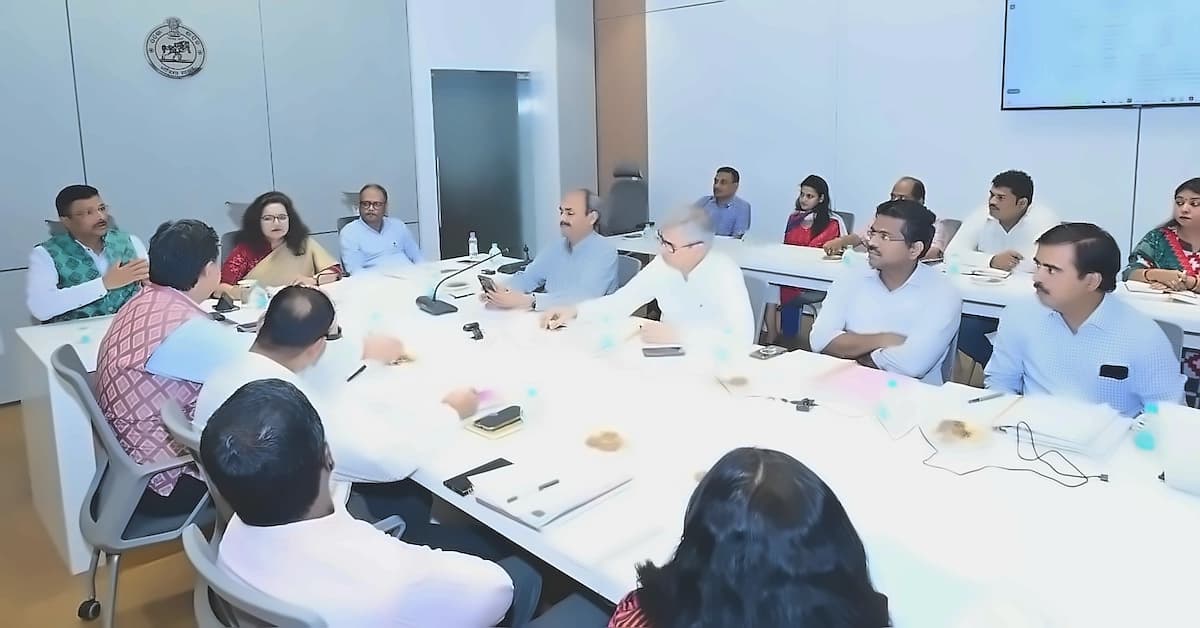
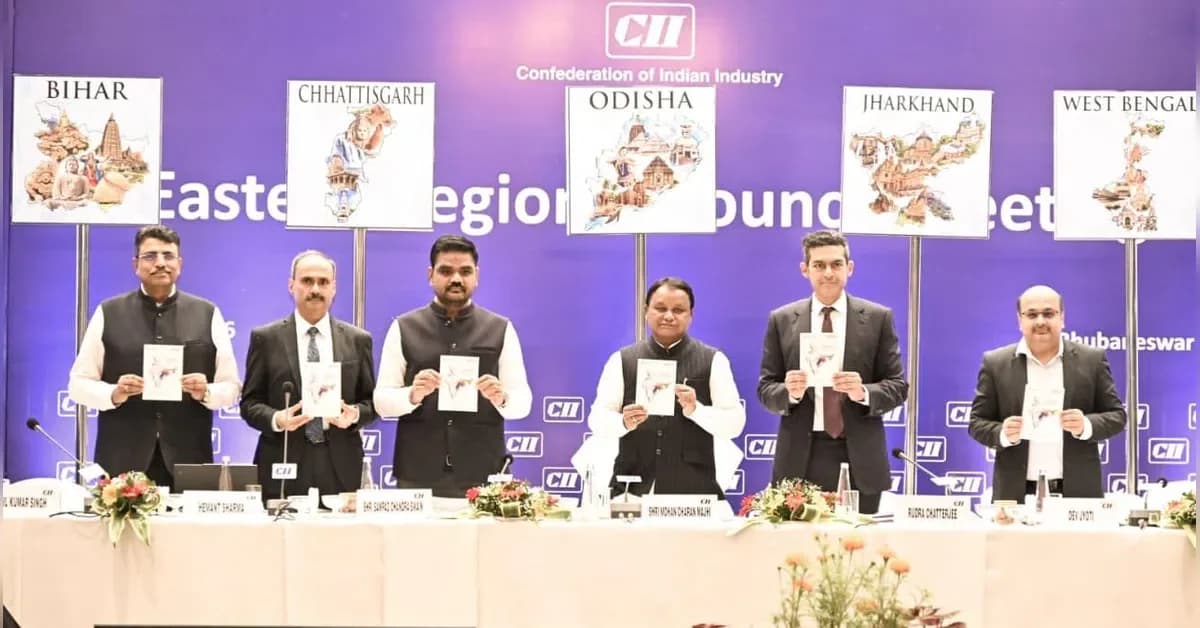
The Odisha Cabinet, chaired by Chief Minister Mohan Charan Majhi, approved a major amendment to the Semiconductor Manufacturing and Fabless Policy on Wednesday. According to reports from Business Standard, the state will now provide additional fiscal support of 25% of eligible capital expenditure (capex) for projects approved by the India Semiconductor Mission (ISM). This support will be disbursed on a pari passu basis with the Government of India's fiscal assistance, aligned with project milestones and corresponding releases approved by the ISM. The policy amendment represents a comprehensive transformation aimed at expanding Odisha's electronics manufacturing ecosystem and aligning with the national India Semiconductor Mission (ISM) 2.0 framework.
The amended policy significantly broadens the scope of eligible activities beyond traditional semiconductor manufacturing. As reported by Business Standard, the state Cabinet approved opening the door to investments in semiconductor equipment, semiconductor-grade chemicals, specialised gases, advanced materials and other critical supply-chain components. These activities will now be supported alongside semiconductor manufacturing, assembly, testing, marking and packaging/outsourced semiconductor assembly and test (ATMP/OSAT), display manufacturing and fabless design. The updated policy encompasses semiconductor equipment manufacturing, semiconductor-grade chemicals, specialty gases, and advanced raw materials, positioning Odisha as a comprehensive semiconductor ecosystem that extends beyond direct manufacturing to include critical supply chain components and advanced materials.
Odisha has substantially strengthened its semiconductor investment proposition through customised incentive packages for mega projects. According to Business Standard, these packages cover semiconductor equipment, input supply chains and raw materials, subject to state Cabinet approval on the recommendation of a high-level committee headed by the chief secretary. The expanded package is designed to make Odisha a more compelling destination for companies looking to establish not just semiconductor manufacturing facilities but also the wider ecosystem that supports them. To draw large-scale investments into these niche sectors, the Cabinet has also included provisions for customised incentive packages for Mega Projects, which will be evaluated by a Chief Secretary-led High-Level Committee prior to Cabinet approval.
The Odisha Semiconductor Manufacturing and Fabless Policy was originally notified in September 2023 and subsequently amended in March 2024 and July 2025. As reported by Business Standard, the policy has already attracted proposals from five companies, with two projects securing support under the India Semiconductor Mission. Chief Secretary Anu Garg noted that the amendment gives the state flexibility to structure investment propositions for large projects in critical segments where standard incentives may not adequately address scale requirements. Officials anticipate that this comprehensive ecosystem shift will significantly cut import dependence, spur job creation across logistics and engineering sectors, and drive skill development for local MSMEs.
The amended policy aligns with ISM 2.0 objectives to enhance policy attractiveness and strengthen investor confidence. According to Business Standard, the measures are expected to generate employment well beyond core manufacturing facilities, creating direct and indirect employment across semiconductor manufacturing, advanced materials, logistics and ancillary sectors. The state aims to create an integrated industrial base around the semiconductor sector by bringing equipment makers, specialised input manufacturers, advanced-material producers and supply-chain companies into the policy framework, positioning Odisha as a preferred destination for semiconductor manufacturing and innovation. Alongside the semiconductor policy push, the Cabinet also approved a proposal to launch OSWAS 3.0, the next-generation digital governance platform for state administration, with Tata Consultancy Services (TCS) awarded the contract for implementation and five years of operational support at a negotiated value of ₹122.60 crore.