The National Testing Agency (NTA) has undertaken a comprehensive leadership strengthening initiative by appointing four senior officers to enhance its institutional capacity. According to an official statement, the agency has posted two Joint Secretary-level officers and two Director-level officers over recent days. The Joint Secretary-level officers will be designated as Additional Director Generals as per the recommendations of the Radhakrishnan Committee. These measures are specifically aimed at enhancing the integrity, transparency and operational excellence of high-stakes examinations conducted by the agency. The appointments are being seen as part of an attempt to infuse the NTA with a younger, tech-oriented administrative structure capable of handling large-scale digital examinations, data systems, operational monitoring and exam security. As per the latest NTA release, these measures are aimed at enhancing the integrity, transparency and operational excellence of the high-stakes examinations conducted by the Agency, which collectively serve over 1 crore candidates each year. The NTA announced these reforms on May 19, implementing the recommendations of the High-Level Expert Committee constituted by the Government of India.
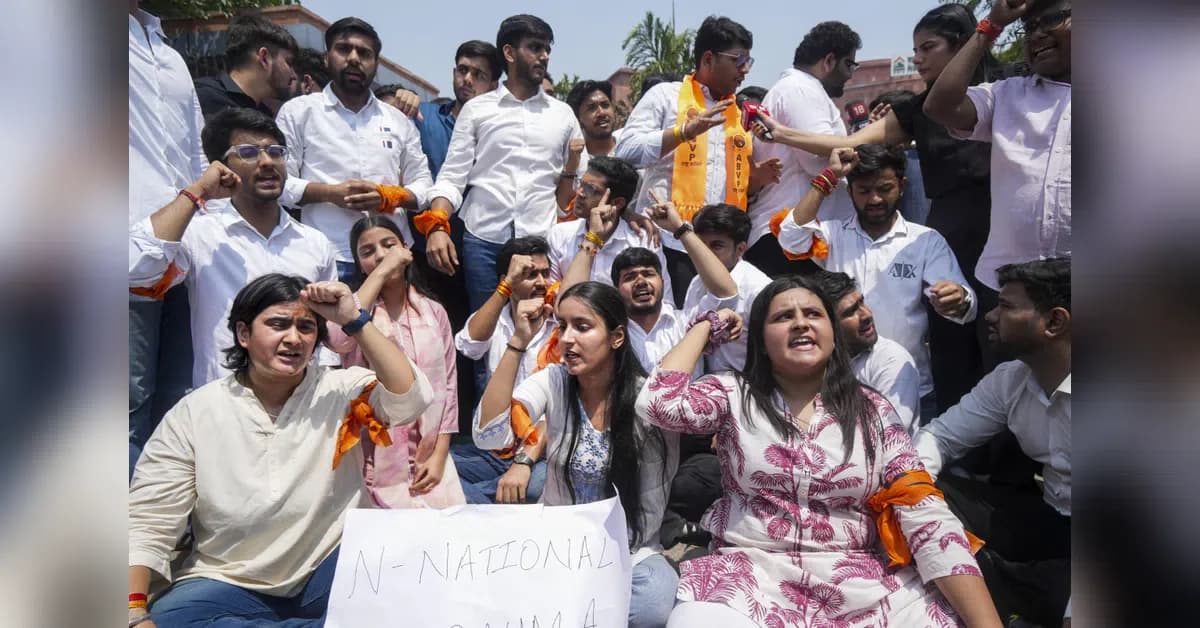
This leadership strengthening initiative follows the cancellation of NEET-UG 2026 on May 12 after the examination was conducted on May 3. As reported by the agency, the cancellation was triggered by allegations of a coordinated paper leak that erupted into a political controversy. The incident has caused deep concern among aspirants, their families and the educational community at large. The NEET-UG re-examination is now scheduled for June 21, with the Union Education Minister announcing that the exam will shift to computer-based test (CBT) mode from next year as part of reforms aimed at ensuring transparency. The Education Minister admitted that questions had gone out under the guise of "guess papers" and assured students that the government's topmost priority was the future of students. The Centre has also announced that NEET-UG will move to a computer-based format from next year, a shift viewed as central to reducing risks linked to physical question papers and logistics.
Simultaneously with the senior officer appointments, NTA has published advertisements for three specialist leadership positions to bring in domain expertise of the highest order. These positions include Chief Technology Officer (CTO), Chief Finance Officer (CFO), and General Manager - Human Resources (GM-HR). The Chief Technology Officer (CTO) will lead the end-to-end digital examination ecosystem and oversee AI-driven integrity controls, including candidate-facing systems, biometric authentication, impersonation detection mechanisms powered by artificial intelligence, cybersecurity infrastructure and the modernisation of the NTA's technology framework in coordination with agencies such as NIC, C-DAC, CERT-In and MeiTY. The Chief Finance Officer (CFO) will supervise treasury and surplus-fund deployment and examination-wise accounting, while the General Manager (HR) will modernise HR systems across NTA's workforce, including employee lifecycle management and institutionalisation of professional HR policies. Applications for these positions are invited within fifteen days from the date of publication on the NTA website, with selection to be made by a duly constituted Selection Committee based on qualifications, experience and demonstrated capability.
According to the NTA release, these postings substantially enhance the senior bandwidth available to the agency, with experienced officers bringing strong administrative backgrounds from Central services and inter-Ministry experience. The strengthening of the leadership team forms part of a broader institutional reform programme being implemented by NTA, in line with the recommendations of the High-Level Expert Committee and directions of the Ministry of Education. The programme spans examination integrity, technology modernisation, governance and oversight, human resources, stakeholder engagement, candidate-facing transparency, grievance redressal, and proactive communication. The restructuring exercise itself traces back to October 2024, when the Centre approved the creation of 16 new senior administrative posts within the NTA. However, only eight of the 16 newly created senior posts have been filled, with five Director-level posts continuing to remain vacant, creating a 50% vacancy rate that has emerged as a fresh point of concern. The proposed model envisioned 10 specialised verticals headed by Directors, along with two Additional Director General-level officers, to create clearer accountability within the organisation.

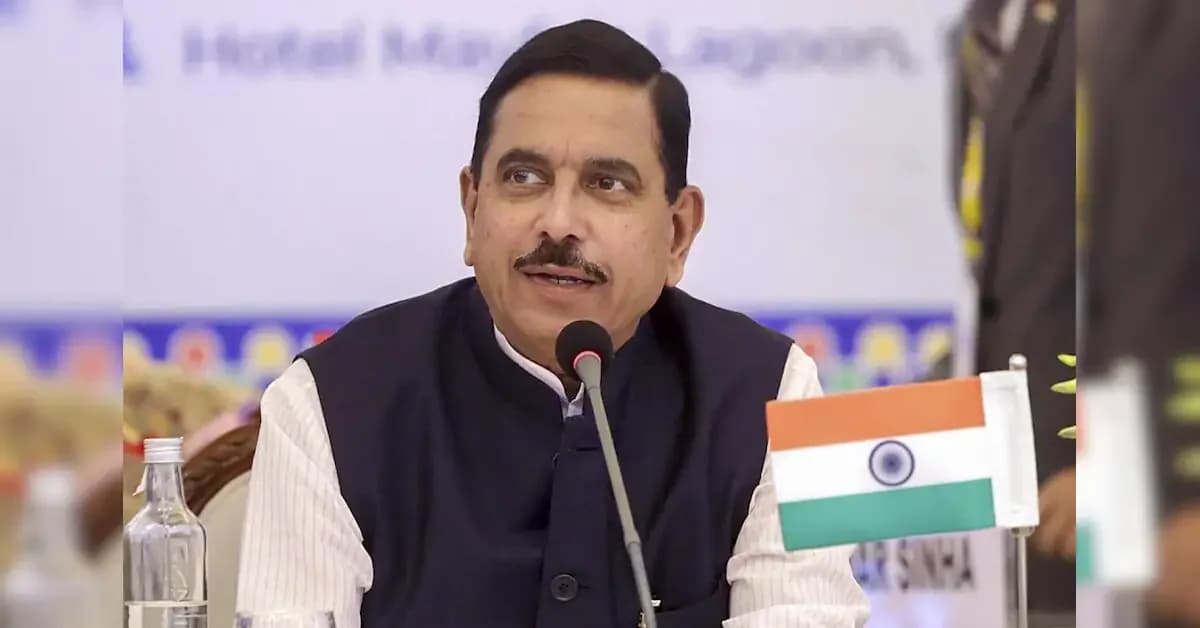
The Ministry of Education, the Department of Higher Education and the Governing Body of NTA are providing close support and oversight to the reform programme. Union Education Minister Dharmendra Pradhan chaired a high-level review meeting on Tuesday to assess preparations for the upcoming NEET (UG) re-examination. During the meeting, Pradhan stressed the need for complete transparency and integrity in the conduct of the examination and directed officials to eliminate all shortcomings identified in the earlier process. Pradhan directed officials to ensure proper facilities for students, including transportation, drinking water and other essential arrangements at examination centres. The Parliamentary Standing Committee on Education, Women, Children, Youth and Sports is now set to review both the alleged NEET-UG 2026 paper leak and the implementation of reforms recommended by the high-level K Radhakrishnan Committee. According to a Rajya Sabha notice, the panel will meet on May 21 and seek explanations from senior Education Ministry officials, including Higher Education Secretary Vineet Joshi and NTA Chairperson Pradeep Kumar Joshi. The Government recognises the deep concern that recent events have caused among aspirants, their families and the educational community at large. The measures taken are part of a comprehensive and continuing programme of structural, technological and human-resource rebuilding the integrity architecture of the examination ecosystem on stronger foundations.