From December 3, 2026, non-resident Indians (NRIs), Overseas Citizens of India (OCIs), and foreign nationals can complete their know-your-customer (KYC) verification remotely without physically visiting India. According to reports from Business Standard, this change comes under a circular issued on November 4, 2026 by the Securities and Exchange Board of India (Sebi). The new framework allows investors to submit forms, upload scanned documents, and sign electronically without travelling to India, marking a significant shift from the previous paper-based process.
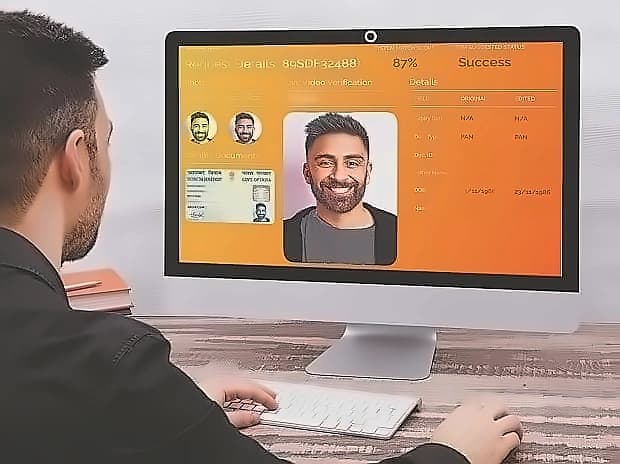
The new digital KYC process includes comprehensive security safeguards to prevent fraud. According to Business Standard, these measures include random actions during video calls to establish live interactions, geotagging and timestamps with tamperproof technology, location verification to block VPNs and proxy connections, face-liveness checks to detect impersonation attempts, and facial matching to verify identity documents. The process also requires supervised verification with a broker official present during each call and concurrent audit sessions. However, if an investor submits a specimen signature digitally, a wet signature must be obtained in the presence of a broker's official during the video call.
Zerodha, which has more than 80,000 NRI accounts, plans to introduce the new process on December 3, 2026. As reported by Business Standard, the change removes one of the biggest obstacles NRIs face when entering India's investment markets. Nithin Kamath from Zerodha expects the change to encourage more overseas Indians to invest, describing NRIs as 'sticky' long-term investors. The circular also seeks to reduce duplication by allowing KYC records to be reusable across brokers, with KYC agencies marking verified details as 'validated' so regulated entities can rely on completed verification by other entities.
The new digital KYC process is available only for investors in FATF-compliant countries. According to South Florida Malayalees, eligible investors will submit KYC information and documents digitally from abroad — passport copy, OCI card where applicable, and an overseas address — with video in-person verification and liveness and location checks where a physical check is not feasible. Intermediaries must forward completed KYC records to the registration agency within three working days. Investors in FATF non-compliant countries remain on the old process, meaning the rule is not yet in effect for all overseas investors.